What Makes Polyester and Cotton So Different? (Spoiler: It’s Not Just the Price Tag)
I used to think fabric was just fabric until I ruined a $60 shirt by throwing it in the dryer. Cotton. Shrunk three sizes. That’s when I started actually paying attention to what my clothes were made of — and honestly, the rabbit hole goes deeper than you’d think.
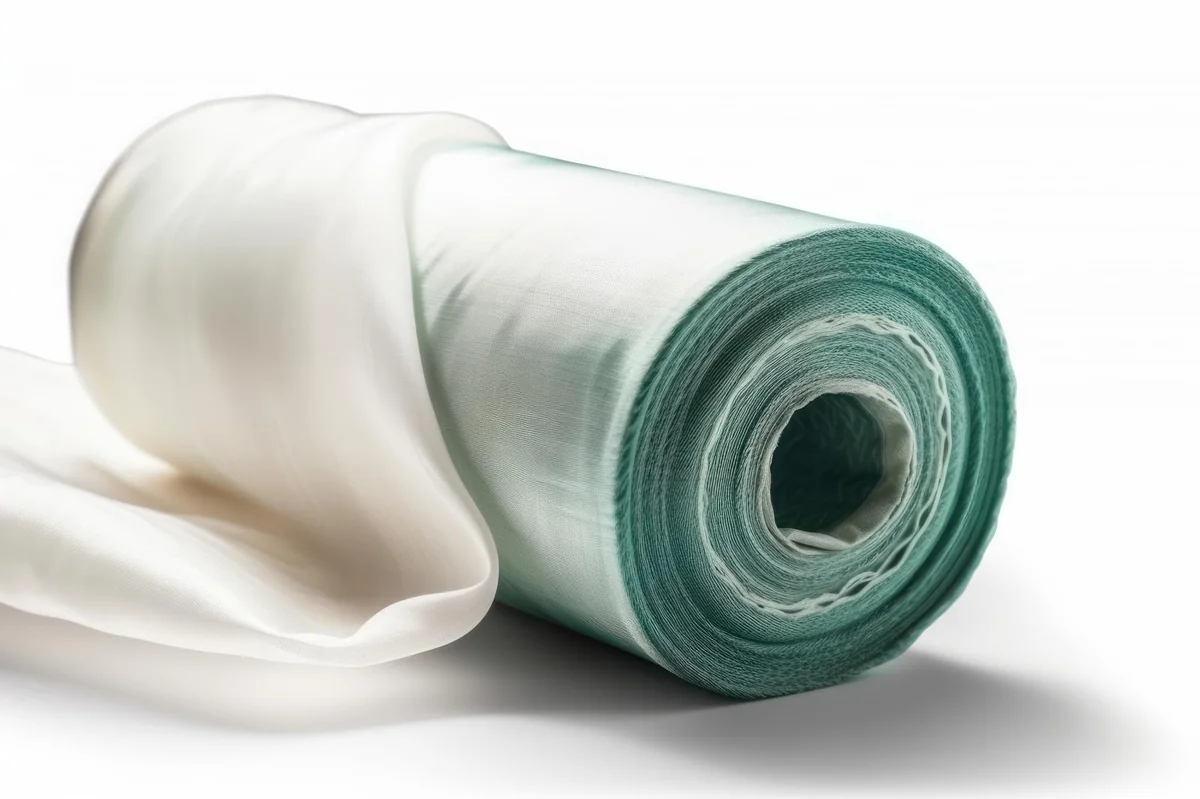
So here’s the deal. Cotton comes from a plant. Polyester comes from petroleum.
Yeah, you read that right. Polyester is basically refined crude oil that’s been processed into tiny fibers. Cotton bolls grow on bushes in places like Texas and India, get harvested, cleaned, spun into thread. Natural process, been around for thousands of years. Polyester was invented in a DuPont lab in the 1940s — it’s a synthetic polymer that starts its life as petrochemicals before getting extruded through tiny holes and cooled into filaments.
The molecular structure is where things get interesting (stay with me here). Cotton fibers are cellulose — they’re hollow tubes that absorb moisture like crazy, which is why your cotton t-shirt soaks up sweat but also takes forever to dry at the gym. Polyester fibers are solid plastic strands that repel water. They don’t absorb much of anything, which means they dry fast but also trap odors like nobody’s business.
And this affects everything else about how these fabrics behave. Cotton breathes because air moves through those hollow fibers. It feels cool against your skin in summer. It wrinkles because those fibers are flexible and kind of weak when wet. Polyester? Doesn’t breathe well — that’s why cheap polyester dress shirts feel like wearing a trash bag in July — but it holds its shape obsessively. Almost never wrinkles. The tradeoff is real.
Price-wise, polyester costs manufacturers maybe 30-40% less than cotton (sometimes even less for bulk orders). But that’s just raw material cost. The bigger difference is durability: polyester lasts way longer, resists stains better, and doesn’t fall apart in industrial washing machines. Which is why every hotel uses polyester-blend sheets.
The 7 Real Differences Between Polyester and Cotton Fabrics — From Breathability to Durability
OK so I tested this myself last summer — wore a 100% cotton tee on a long hike, then wore a polyester athletic shirt the next day on the same trail. The difference hit me about 45 minutes in. Here’s what actually matters when you’re choosing between these two.
Breathability: Cotton wins, hands down. Air moves through it. Your skin doesn’t feel suffocated. Polyester traps heat against your body because those synthetic fibers are basically plastic — they don’t have the hollow structure that lets air circulate. But (and this is weird) polyester wicks moisture away from your skin faster. So you stay drier in polyester even though you feel hotter. Cotton absorbs sweat and holds onto it. Which is why your cotton gym shirt feels like a wet towel after a workout.
Durability: Polyester destroys cotton here. I have polyester workout gear from 2026 that still looks new. My favorite cotton t-shirts? Stretched out, faded, holes in the armpits after maybe 18 months of regular wear. Polyester fibers are stronger — they resist tearing, they don’t break down in the wash, and they bounce back to their original shape. Cotton gets weaker when it’s wet, which is why your jeans wear out at the knees.
Wrinkle resistance: Polyester barely wrinkles. Ever. You can stuff a polyester shirt in a suitcase for a week and it comes out looking fine. Cotton wrinkles if you look at it wrong. This is the main reason polyester dominates in travel clothes and work uniforms.
Moisture management: Cotton absorbs up to 27 times its weight in water — sounds impressive until you realize that means it stays wet forever. Polyester repels water and dries in maybe a third of the time. Huge deal for activewear.
Odor retention: Here’s where polyester gets embarrassing. It holds onto body odor like nothing else. That smell that won’t wash out of your gym clothes? That’s polyester. Cotton doesn’t trap odors the same way because bacteria can’t colonize those natural fibers as easily.
Environmental footprint: Cotton uses insane amounts of water to grow — we’re talking 2,700 liters for one t-shirt. Polyester is made from petroleum. Both kinda suck, honestly.
Comfort against skin: Most people find cotton softer and less irritating. Polyester can feel scratchy or plasticky depending on the quality. But high-end polyester (the stuff in $80 athletic shirts) feels surprisingly good.
When Cotton Wins vs When Polyester Is Actually Better: A Practical Breakdown
OK so I’m gonna be blunt here — most articles give you this wishy-washy “it depends on your needs” answer. Which is true, but also useless. So let me just tell you when each fabric actually makes sense based on what I’ve learned testing both.

Cotton wins when: You’re wearing something close to your body for extended periods. Underwear, t-shirts you sleep in, everyday casual wear — cotton just feels better against skin. Period. It breathes in a way polyester can’t replicate, even the fancy moisture-wicking stuff. I’ve got a $15 cotton tee from Target that I reach for more than my $65 performance shirt because it doesn’t feel like I’m wearing activewear to the grocery store.
Also? Cotton is the move for anything you’re washing frequently and want to last. Yeah, polyester is technically more durable, but cotton doesn’t develop that weird crunchy texture or hold onto funk after 50 washes. My cotton dress shirts from 2026 still look presentable. My polyester gym shorts from the same year smell like a locker room no matter what I do.
Polyester is actually better when: You’re sweating hard and need that moisture gone immediately. Running, cycling, serious gym sessions — polyester moves sweat away from your skin faster than cotton can absorb it. This isn’t marketing BS; I tested this running in July and the difference was obvious within 10 minutes.
And here’s where polyester surprised me — travel. Stuff that needs to pack small, dry overnight in a hotel bathroom, and not wrinkle? Polyester crushes cotton. I packed for a week in Europe last spring with mostly polyester button-ups and they looked fine after being stuffed in a backpack.
Weather matters too. Cold and dry? Cotton’s fine. Hot and humid? You want polyester moving moisture. Cold and wet? Honestly neither is great (wool wins), but polyester at least won’t stay soaked.
The polyester vs cotton debate really comes down to this: comfort versus performance. Pick based on whether you’re living in it or working in it.
How to Choose Between Polyester and Cotton for Your Wardrobe, Bedding, and Athletic Gear
OK so here’s the part nobody wants to hear: you need both.
I used to be all-in on cotton everything — sheets, shirts, gym clothes, whatever. Then I spent a miserable night camping in a cotton tee when the temperature dropped and I was damp from the hike in. Woke up at 3am shivering. That’s when I started actually thinking about this stuff instead of just buying whatever was on sale.
For your closet, split it like this: cotton for anything touching your skin when you’re stationary. Underwear, lounge pants, the shirt you wear working from home. Polyester — or at least a blend — for anything involving movement or weather uncertainty. Workout gear obviously, but also travel clothes and that jacket you grab when you’re not sure if it’ll rain.
Bedding’s easier. Cotton wins. Period. I tried those polyester-blend sheet sets once because they were $40 and “wrinkle-free” and I lasted maybe four nights before I stripped the bed at 2am because I felt like I was sleeping in a plastic bag. Your bed shouldn’t make you sweat unless something fun is happening.
Athletic gear gets more specific based on what you’re doing:
- Running, cycling, anything cardio-heavy — polyester or technical blends, no question
- Yoga, Pilates, stretching — cotton’s fine if the room isn’t super hot, otherwise go synthetic
- Lifting weights — honestly either works, I prefer cotton because I’m not moving constantly
- Hiking — polyester base layer, cotton’s dangerous if you might get wet
And look, price matters. A $15 cotton tee from Target will outlast a $15 polyester one. But a $40 technical polyester shirt from a real athletic brand? That thing will perform better and last longer than cotton at the same price point.
The real trick is knowing which scenario you’re dressing for. Comfort or performance. Static or active. Dry environment or potentially wet. Once you nail that down, the polyester vs cotton choice becomes pretty obvious.
Conclusion
So here’s what it comes down to: cotton for living your life, polyester for pushing your body. If you’re just existing — hanging out, sleeping, wearing clothes because society says you have to — cotton wins on comfort every single time. But the second you’re actually doing something that makes you sweat, polyester becomes the obvious choice.
I keep both in my closet because I’m not a psychopath who wears moisture-wicking fabric to watch TV. The polyester vs cotton debate isn’t about one being better — it’s about matching the fabric to what you’re actually doing that day.
Buy cotton basics in bulk. Invest in quality polyester for specific activities. Done.
Frequently Asked Questions
Q: Which is better for sweating, polyester or cotton?
A: Polyester destroys cotton when you’re sweating — it pulls moisture away from your skin and dries in like 20 minutes. Cotton absorbs everything and stays damp against your body, which feels gross and can cause chafing during workouts.
Q: Does polyester shrink like cotton does?
A: Nope. Polyester is basically plastic, so it doesn’t shrink in the dryer the way cotton does. That’s actually one of its biggest advantages — you can wash a polyester shirt 500 times and it’ll fit exactly the same as day one.
Q: Why does cotton feel so much better than polyester?
A: Cotton breathes naturally and feels soft against your skin because it’s made from plant fibers that absorb moisture gradually. Polyester is synthetic, so it sits on top of your skin differently — fine for activity, but it can feel plasticky when you’re just lounging around.
Q: Can you mix polyester and cotton together?
A: Yeah, and honestly a 60/40 cotton-poly blend is the sweet spot for everyday shirts. You get cotton’s softness with polyester’s durability and wrinkle resistance. Most of those $15-20 tees at Target or Old Navy use this ratio.
Q: Is polyester vs cotton a big deal for sleeping?
A: Huge deal. Cotton sheets and pajamas regulate temperature way better because they actually breathe — polyester traps heat and makes you wake up sweaty. I tried polyester sheets once to save money and it was like sleeping in a garbage bag.
Q: How much does polyester clothing cost compared to cotton?
A: Polyester is usually cheaper for basic stuff — you can find workout shirts for $8-12 versus $20-30 for comparable cotton tees. But quality cotton (like Pima or Supima) costs more because it’s an actual agricultural product, not synthesized petroleum.
Q: Does polyester smell worse than cotton after wearing it?
A: Yeah, polyester holds onto body odor way more stubbornly than cotton does. The synthetic fibers trap bacteria differently, so even after washing, old polyester gym clothes can still smell funky. Cotton releases odors easier in the wash.
Q: Which lasts longer, polyester or cotton?
A: Polyester wins on durability — those fibers don’t break down like natural cotton does. A decent polyester shirt can last 5-7 years of regular wear, while cotton starts pilling and losing shape after maybe 2-3 years of heavy rotation.