Going to Global Sourcing Expo Australia is one of the best opportunities that any Australian retailer or private label buyer has of meeting a sustainable clothing manufacturer personally, rather than forming an opinion based on the factory’s picture in the catalogue. Taking place at the Melbourne Convention and Exhibition Centre between 17 and 19 November 2026, the event brings all apparel manufacturers to one place, providing an opportunity to compare fabric, trim, production and certification capabilities on a single day. Attendance of the expo is free, thus reducing the costs normally associated with visiting multiple factories in one trip. For brands creating their environmentally friendly line, the worth of the exhibition does not consist of immediate orders, but rather in finding a development partner, which will understand the intricacies of natural fiber, recycled material use and low minimums. This buyer’s guide will provide you with all the needed information.
Why the Sustainable Clothing Manufacturer Is the Right Sourcing Partner for Australian Retailers
It is important to understand what will make the expo worth attending before entering it. It is time for Australian retailers to stop looking for garments at the lowest price; they should look for reliable suppliers of garments now.
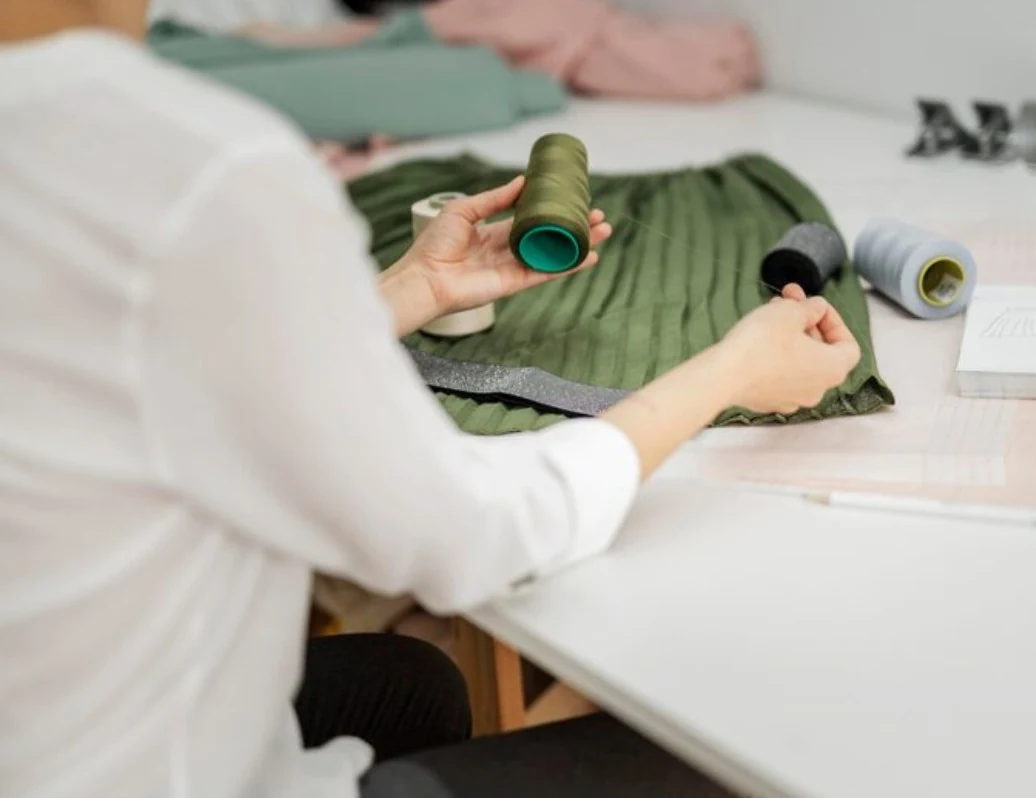
From Fast Fashion to a Responsible Wardrobe
The purchasing of clothes in Australia was mainly associated with fast fashion for about twenty years. The balance has silently shifted, and now the customers want to know not only where the garment was produced but also what material it is made of and how the people sewing the garment were treated. The sustainable clothing manufacturer will not have any difficulty in answering all these questions by providing the evidence rather than slogans.
What Australian Consumers Will Demand in 2026
There are new demands from shoppers. Not just an organic cotton T-shirt, but durable, classic design, and sustainable production processes for denim, sportswear, dresses, and swimwear. There are also demands for fewer product launches each season, easier to shop for and faster to reorder. The kind of supplier you’re looking for, which focuses on natural fibers, recycled materials, and ethical manufacturing, is one with more capability of meeting those expectations and you verify those claims at your own booth in November.
What to Look For in Booths on the Show Floor: Material, Certification and Manufacturing Capability
Once you step on the show floor, everything can seem impressive, but the differentiation between a factory and a middleman lies in the details you ask for.
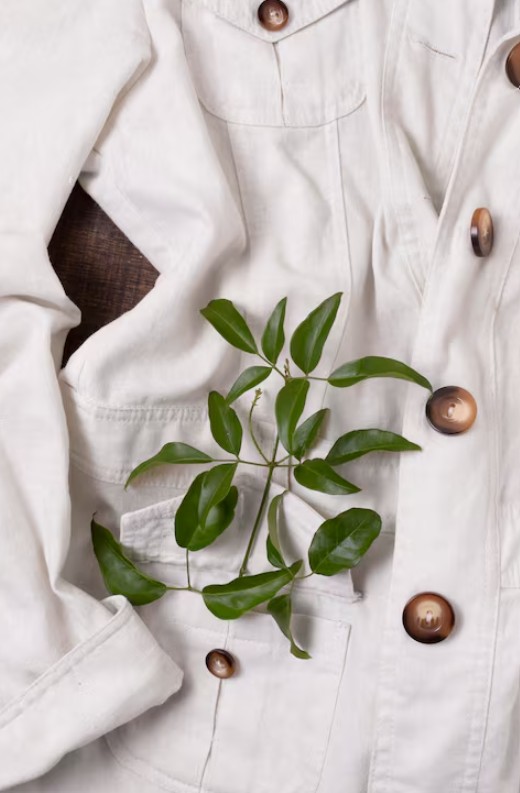
The Fiber Story in Action
Request to see real-life samples rather than beautiful images. For organic cotton, linen, Tencel, and other natural materials, the samples should be soft and heavy, and the recycled polyester and regenerated nylon must have the composition marked clearly. A true producer will instantly produce hand-feel samples, trim samples, and seam finishes. Look at the seam allowance, the neck finishing, and the feel of the material – the smallest things will show you if the samples were sewn on the same sewing line that will make the production of your order. When the only answer is “we can source anything you need,” you are most probably speaking to a trader who adds the margin.
Backed by the Certifications for the Marketing Claims
Marketing terms such as “eco-friendly” mean nothing in the absence of audit reports. Check for Sedex and BSCI ethical manufacturing audits and Global Recycled Standard certification in case of products made of recycled materials, including recycled swimwear. Inquire whether the factory can provide you with a transactional certificate on recycled materials for your particular order. The suppliers with these documents in stock know how to deal with export clients.
Factory Capacity and Lead Time for the Samples
It’s easier to make samples but not to produce consistently. Find out how many sewing lines operate per day in the factory, how many people work on the floor and how long it takes to fulfill a repeat order. With the help of a few sewing lines and a separate design department, it will be possible to cope with the fast development order as well as the repeat order, but not a workshop.
Private Label, Low MOQ and Design Support for Growing Bands
It may be the ideal supplier in theory, but the true litmus test is if it has the ability to bend to fit the phase your product line is in whether it be testing a small capsule or capitalizing on a best-selling style.
Importance of a Low Minimum Order Requirement
Regardless of being a new brand or an existing retailer, it is important for both to have a low minimum order requirement. Having a low minimum will allow you to launch a new style into a particular market without being stuck with a bunch of inventory you may never sell. Moreover, a low minimum will also reduce any inventory pressure at a time where all the Australian retailers are very much aware of their inventory holding cost.
Service Offering: Design, Pattern Making and Technical Drawing
Most stores do not have a full design team in-house. Working with a supplier who offers fashion illustrations, pattern making and technical drawings means expanding your design team through a factory. You may bring sketches, photos or a mood board, and the capable supplier can convert them into sample garments ready for mass production. It saves you a lot of development time and eliminates coordination of pattern makers and sample rooms from various vendors.
Categories to Explore: Denim, Activewear, Dresses and Swimwear
With all the relevant information received, the next step will be looking for the categories offered by the supplier that suit your assortment concept.
Denim and Skirts: Staple Items with Lower Impact
Denim and skirts make up a lot of Australian wardrobes. Seek out washes that require less water, organic blends, and reinforcement stitching that will last through multiple washes. A manufacturer who puts the same effort into making products durable as it does into making them sustainable will ensure staples that will last customers longer and save them money.
Performance Activewear and Swimwear: Sustainable Fabric for Comfort
With performance activewear and swimwear, stretch recovery and comfortable lining become just as important as sustainability. Inquire about sustainable swimwear fabrics, four-way stretch knits, and lining fabrics that will remain comfortable despite being exposed to saltwater or chlorine multiple times. Recycled swim fabrics made from reclaimed plastic are becoming more popular and, in fact, are the first thing that many customers note from a hangtag. The best manufacturers can showcase you their products in the form of fully sewn items rather than mere fabric rolls.
Conclusion
Global Sourcing Expo Australia in Melbourne is not just a trade show; it is a supply chain condensed into a three-day visit instead of exchanging emails for several weeks. With a focus on fabric samples, true certifications, flexible minimums, and in-house design services, one can distinguish between real manufacturers and distributors and develop a sustainable line. No matter if you are creating a capsule collection or extending the already existing one, those manufacturers who do not mind answering any questions and providing all the required documents immediately should be scheduled for the meetings. If your Australian brand is going to operate sustainably in 2026, Melbourne Convention Centre is where your future season line gets developed and the right manufacturing partner, likeSustainable Clothing Manufacturer | TY Fashion, starts working with you from the first fabric sample to the last packed box.
FAQ
Where and when is the Global Sourcing Expo Australia taking place?
This event will take place between 17 to 19 November, 2026 in Melbourne Convention and Exhibition Centre in Australia. Attendees can register for free. Buyers can book meetings prior to the event.
What information do I need for my meeting with clothing manufacturer?
It would be best to carry the following: design brief with sample pictures or sketches; price target range; size range target; estimated first order quantity; and margin target.
Can a factory assist with a small or new private label brand?
Yes. It is common practice for suppliers to provide a small minimum order for their clients who have just launched a new brand line to test the style.
What kind of sustainability certificates do I need?
I need Sedex and BSCI ethical manufacturing certifications, as well as Global Recycled Standard for all recycled clothing items. For each particular recycled batch, transaction certification should be provided.
How much time does it take to develop private labels?
It takes a couple of weeks from design approval to the creation of a first sample due to pattern creation and sampling process. It is much quicker to reorder already developed styles.