The fashion industry has entered into a whole new dimension. Customers today are not satisfied with trendy designs or cheap prices; they want to know where their clothes come from, how they are made, and what happens when they are worn out. As the planet faces growing environmental challenges, so does the demand for cleaner, more responsible clothing.
That is why recycled and regenerative fabrics are becoming the future of fashion. Besides being better for the planet, they also offer smart, long-term solutions for brands and manufacturers alike. In this article, we shall look at what these fabrics are, why they matter, and how sustainable apparel manufacturers such as TY Fashion are helping brands make the switch.
First, however, let’s look at how the fashion world is changing.

The Fashion Industry Is Changing and So Are Fabrics
The fashion world is moving fast. For years, fast fashion has allowed brands to produce large volumes of clothing quickly and inexpensively. However, this came with a price. Vast amounts of water, energy, and raw materials went into the manufacture of clothes that often ended up in landfills after just a few wears.
Now, things are different. More people are aware of the problems linked to fashion waste and pollution. They’re asking better questions: Where was this made? What fabric is this? Can it be recycled or reused? Customers want to buy clothes that reflect their values, not just their style.
Meanwhile, new laws set by governments and international groups establish new rules for sustainability. From Europe to Asia, the new laws are pushing companies to cut waste and reduce pollution. The new legislation puts pressure on the brands to change how they source and make clothing.
Waste Is Everyone’s Problem
More than 90 million tons of textile waste are generated yearly around the world. The majority of that ends up in landfills or is burned, releasing harmful gases into the atmosphere. This is not a brand problem, nor is it a factory problem; this is everyone’s problem, from designers to consumers.
Recycled and regenerative fabrics help solve this by reducing the need for new raw materials and by making use of waste we already have. These fabrics are part of a larger movement toward circular fashion, where nothing is wasted and everything has a second life.
Now that we understand the problem, let’s look at what these new fabrics actually are.

What Are Recycled and Regenerative Fabrics?
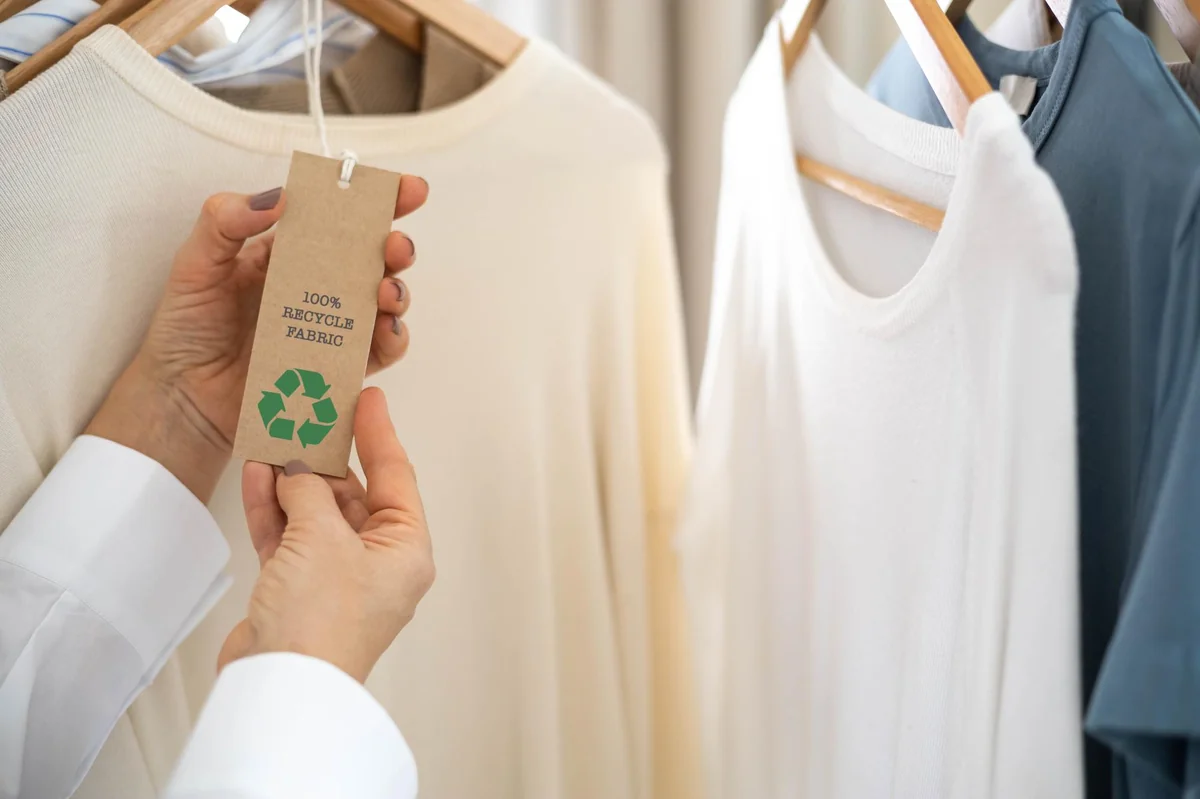
To put it simply, recycled fabrics are made from materials used previously, whether it be plastic bottles, old clothes, or scraps of fabric. Instead of landfilling these materials, they are cleaned, reprocessed, and remade into new yarns and fabrics.
Regenerative fabrics are a little different. They’re made from natural fibers that are grown using farming methods that restore the land. These methods improve soil health, trap carbon from the air, and support biodiversity. In other words, they help the planet instead of hurting it.
Both kinds of fabrics are important, as they focus on different parts of the solution. Recycled fabrics reduce waste and lower the need for new raw materials. Regenerative fabrics help to heal the earth in their process of producing high-quality fiber.
Let’s explore both a bit more.
Recycled Fabrics in Everyday Fashion
You’ve probably worn recycled fabrics without realizing it. Many sportswear manufacturers incorporate recycled polyester manufactured from used plastic bottles into their products. Some denim manufacturers are now using a blend of recycled cotton within their jeans to save water and conserve energy.
These fabrics don’t look or feel cheap at all, and many feel just like new. Thanks to better technology, recycled fibers are now able to match the strength, color, and texture of regular fabrics.
Best of all, they keep valuable materials in use and out of landfills.
Regenerative Fabrics Go Even Further
While recycled fabrics focus on using what we already have, regenerative fabrics are about growing in a better way. Regenerative farming avoids chemical pesticides and supports crop rotation, cover crops, and animal grazing systems that enhance the soil.
Fabrics made of regenerative cotton or wool are produced on farms that give back more than they take. They capture carbon in the soil, reduce erosion, and help ecosystems thrive. All these results over time in resilient natural fiber systems that benefit people and the land.
Together, recycled and regenerative fabrics offer a powerful path forward for fashion brands wanting to be part of the solution.
So why are more brands making the switch?

Why These Fabrics Are the Future of Fashion
More than ever, fashion is about values: people want to support companies that care about people and the planet. This means choosing better fabrics is no longer a bonus; it is fast becoming a must.
Brands that lean into recycled and regenerative fabrics cater to the modern customer and set themselves up for success with future regulations. Recycled and regenerative fabrics not only serve the environment, but they are also smart business choices.
Better Fabrics, Better Business
Today’s consumer does their homework. They read labels, go to websites, and follow brand stories on social media. When a company chooses sustainable materials, it builds trust. It tells customers, “We care.”
This trust often translates into loyalty. Many shoppers will go so far as to pay more for products made responsibly. This gives brands a way to differentiate themselves and grow stronger relationships with their audience.
However, it is not enough to have the right fabric; turning it into quality garments matters, as well. And that is where manufacturers come in.
How Apparel Manufacturers Help Bring These Fabrics to Life
No matter how good the fabric used is, it will not be any good unless it is handled with care. This is the reason why sustainable apparel producers are such a large part of this movement. They are those who transform recycled and regenerative products into finished products – t-shirts and hoodies, inspired collections, and outfit collections.
Such manufacturers have to be aware of the individual requirements of sustainable fabrics. They should be familiar with how to make, stitch, and trim clothes so that they do not waste the material. They also have to adhere to the enforced criteria in terms of water consumption, energy, labor, and safety.
This is where TY Fashion is differentiated.
TY Fashion, as a Company, is devoted and dedicated to the issue of the sustainability of apparel.
Sustainability is not a trend at TY Fashion, it is our work base. Being a reliable, sustainable clothing producer, we aid brands in making their environmentally friendly visions a reality through certified and responsible approaches.
We create and maintain close collaboration with the clients to find the correct recycled and regenerative material and transform it into quality, comfortable, and durable clothes. Factories are constructed in such a way that they produce the least waste, consume the least water, and produce the fewest harmful chemicals. We also adhere to the international standards and certifications to ensure that all our products are safe for people and the environment.
We offer support to brands along the pathway, both in small batches and large orders. TY Fashion has a new service to offer, whether this is a new line of sustainable products or expanding on an already established line.
However, what does it feel like to make the first step?
Conclusion
At this point, it becomes obvious that recycled and regenerated fabrics are not some sort of fad. They form a major component of the future of fashion. They also assist in the minimization of waste, nature conservation, and ensuring the decent business that the modern-day customers want.
Fabric choice is not the whole story of brands aiming at creating a tangible difference. The correct manufacturing partner will be able to make that fabric alive, which will not contradict the values and objectives of the brand.
We are pleased to be involved in this change at TY Fashion. In our opinion, it is not the environment where great fashion must come with great cost. This is the reason why we are focused on creating an improved future, one garment at a time.
Are you willing to develop environmentally-friendly apparel that your consumers will be proud to use?
And now we can discuss how we can collaborate in bringing your ideas to life.
You can reach out to TY Fashion and begin the best way to achieve a cleaner, smarter, and more responsible process of creating your apparel.
Frequently Asked Questions
What fabrics are recycled into?
Recycled fabrics are produced by using plastic bottles, old clothes, and fabrics that are turned into new fibers.
What does regenerative differ from organic fabrics?
Both are natural, but regenerative fabrics are based on farming practices that enhance soil health and capture carbon further than organic practices.
Do recycled fabrics reduce the quality?
Not at all. Modern technology has enabled recycled fabrics to have an appearance and touch similar to that of virgin materials.
Is it possible to convert all brands to these fabrics?
Yes, however, it is based on the fact of having a proper manufacturing partner who knows how to deal with sustainable materials.
Does TY Fashion operate with both kinds of fabrics?
Yes. TY Fashion supports brands to produce high-quality clothes with the use of recycled and regenerative materials.