In today’s global manufacturing battle, there is one word propelling the future more than any other: Sustainability. It is no longer a nice-to-have fashion trend or an optional marketing exercise—it’s fast becoming a global business imperative. From high fashion to high tech, makers who invest in sustainable practices and innovative solutions already have a head start. The next ten years will not be won by the lowest-cost producers, but by the wisest and most sustainable.
So why is this change happening, then? And more narrowly, how can manufacturers turn sustainability into a winning edge? Let’s step through it.

The Growing Demand for Production Sustainability
Look around you, and it’s obvious that the demand for Sustainability is expanding at an exponential rate. Consumers are demanding to know where things are from, what they’re made of, and how people and the planet are treated in the factories. This movement isn’t being led by convenience consumers—some of the biggest brands in the world are leading the way.
In fact, big fashion and retail companies now require their suppliers to meet certain environmental standards prior to a contract. That is no longer an option for manufacturers who want to deal with famous customers. But this is not brand-led alone—it’s also being led by governments and regulators.
Why Global Brands Are Calling for Sustainable Partners
Big brands also have their own sustainability goals to meet. Some have set targets to cut carbon emissions, produce less waste, and have more recycled content. When they choose a production partner, they want one that can help them meet these goals. This is a huge opportunity for manufacturers who can show they are ahead of the curve.
Think about it—if you are an international brand with a goal of creating an environmentally friendly product line, would you use a supplier who does not like change, or one who will embrace change for the purposes of innovation? The answer is obvious. That is why environmentally friendly manufacturers receive more partnership offers than they can handle.
How Regulations Are Altering the Manufacturing Game
A second important driving force behind Sustainability is regulation. European, North American, and Asian governments are embracing stricter environmental regulations. These include pollution control, waste management, and even the purchase of energy. For example, the European Union’s Green Deal will transform the production and shipment of products.
Businesses that invest now will find it much easier to adapt to future new legislation. Businesses that wait, on the other hand, will have to endure costly and unforeseen overhauls. This is one reason why so many forward-thinking businesses look at sustainability as a form of “future-proofing” their businesses.
But actually, innovation is the true driver of sustainability. So, what are the innovations driving change in the way producers operate?

Innovations Leading the Way to Sustainability
It is simple to vow sustainability—it is difficult to deliver. That is where new technologies and innovations come in. Manufacturers have been adopting game-changing innovations over the last few years that save energy, reduce waste, and lower environmental impact without compromising productivity.
Green Materials Revolutionizing the Industry
One of the biggest shifts is occurring in the materials we’re using. The old standbys of cotton and polyester have negative environmental impacts, from water usage to chemical-based production. Now, companies are turning green with substitutes like organic cotton, hemp, bamboo, and recycled polyester.
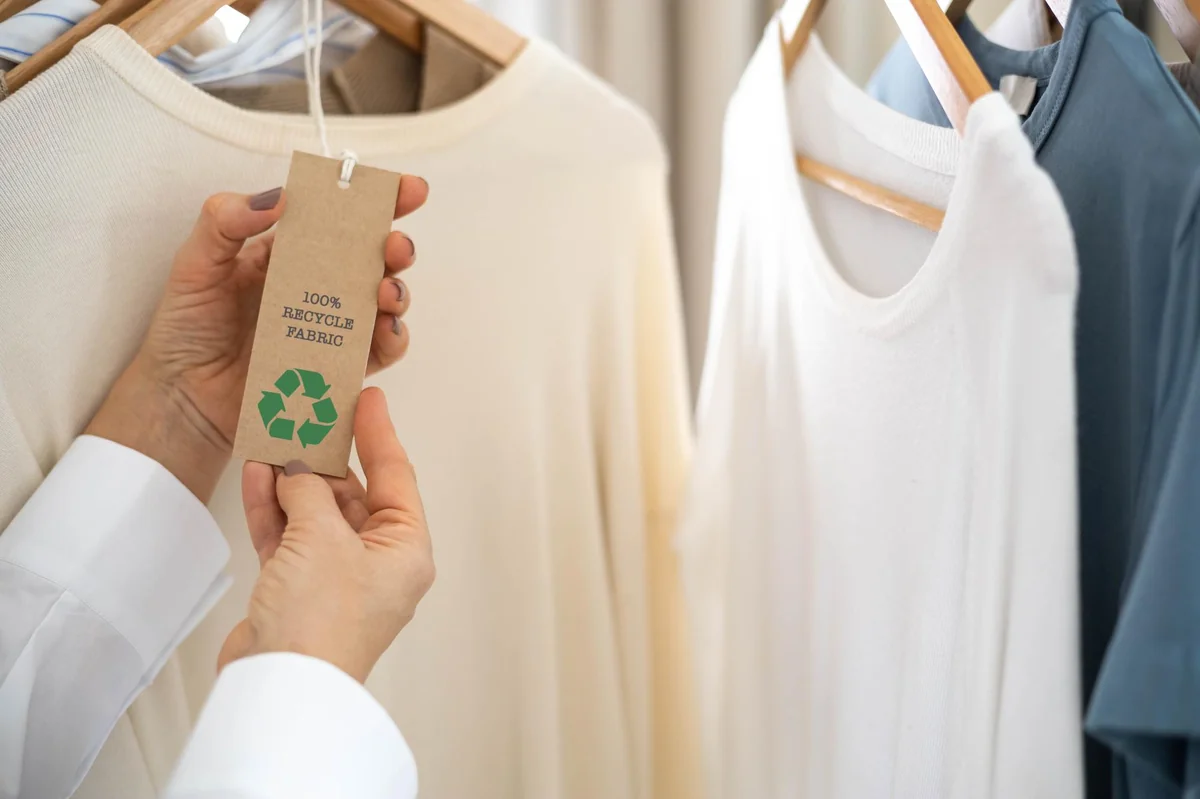
In fashion, recycled materials are in because they breathe new life into old waste. Picture this: used plastic bottles turning into new, quality clothes—that’s the kind of narrative brands want to share with consumers. And when producers can provide such materials in volume, they become very desirable partners.
Smart Processes That Save Resources
Materials are only the first step. How products are made is also in flux. Technologies that color materials, for example, cut water consumption by as much as 90%. Digital printing eliminates chemical waste and energy consumption.
Automation and intelligent manufacturing systems are also involved. Sensors and artificial intelligence can track production in real time, discovering means to save electricity, scrap, and make it more efficient. These changes don’t only benefit the planet—they save you money in the long term.
And that brings us to our second point: sustainability doesn’t always have to do with being “green.” It’s about being smart as a business.
The Competitive Edge of Embracing Sustainability
This is the truth—Sustainability is less a moral obligation and more a strategic advantage. Firms adopting green innovations can become high-value partners. Firms can save costs and gain improved customer relationships.
Winning More Brand Partnerships
Big businesses want suppliers who will make them stand out. If a company can supply green materials, open manufacturing, and green certifications that have been audited, they are immediately more attractive. These factors can justify a higher price, and therefore, sustainability can be lucrative.
Lowering the Cost Without Damaging the Earth
Sustainable production is more productive. Energy-efficient machinery, waste-reducing systems, and efficient processes all pay for themselves over time. That is, the cost of sustainability is paid back, and then some.
Here’s the question now: who’s already out there putting these innovations into practice? That’s where TY Fashion comes in.

How TY Fashion Leads in Sustainability
At TY Fashion, Sustainability isn’t just a slogan—it’s business as usual. As one of the leading manufacturers in China, we’ve incorporated new material utilization, energy efficiency, and sustainable procurement practices to help our customers achieve their sustainability goals.
Our Materials and Processes for Sustainability
We utilize recycled and organic materials wherever feasible, working hand in hand with customers to develop products with lower environmental impact. Our dyeing and finishing operations are intended to minimize water consumption and chemical effluent, but with high standards that global brands require.
Building Long-Term Value for Customers
Our sustainability strategy is also trust-based. We ensure transparency in our clients’ supply chain so they can be assured where their products are coming from. By staying in front of regulations and trends in the industry, we enable our partners to remain competitive in a fast-moving industry.
However, not all companies can fulfill sustainability promises. Therefore, how do brands ensure that they are picking the right partner?
How to Choose the Perfect Sustainability Partner
Choosing a manufacturing partner is a big decision, particularly when Sustainability is on your agenda. The right one can mean easier production, more compelling marketing narratives, and more conformity with impending legislation.
Certifications and Transparency Matter
Look for partners that are certified with OEKO-TEX, GOTS, or GRS. These will ensure that their process and materials are safe and environmentally friendly. Transparency is also essential—a good partner will give you information about sourcing, work conditions, and production.
Innovation and Scalability Go Hand in Hand
Ideal partners are innovative as well as large order-capable. It’s simple to develop a sustainable concept model—it’s not simple to produce hundreds of thousands of them without compromise. That’s why vision-based manufacturers like TY Fashion invest in R&D and manufacturing capacity.
Thus, in the future, what can be expected from manufacturing in the decade to come? The answer is straightforward: it will be sustainability.
Conclusion
In the coming decade, Sustainability will separate the leaders from the laggards in manufacturing. The innovators will get the biggest contracts, the most loyal customers, and a seamless transition to new regulations. The laggards will lag behind.
Here at TY Fashion, we think it’s easy: adopt sustainability now, and not only will you survive the changes that are on the horizon—you’ll thrive. If your business is ready to collaborate with a business that can provide quality, volume, and sustainable thinking, let’s discuss.
Contact us today to explore how we can help bring your green product vision to life.
FAQs
1. What does manufacturing sustainability mean?
It involves producing products in processes with smaller environmental impact, conserving natural resources, and improving long-term ecological sustainability.
2. Why should manufacturers care about sustainability?
It ensures regulatory compliance, captures customers, increases productivity, and conserves the environment.
3. How do producers innovate for sustainability?
By employing green material, embracing low-energy technology, and enhancing waste management.
4. Does sustainability increase manufacturing cost?
While certain investments are up front, sustainability rewards are in the long term by being cost-effective.
5. What are green materials?
Some of these include biodegradable materials, organic cotton, hemp, bamboo, and recycled polyester.
6. How does TY Fashion promote sustainability?
We use renewable resources, save water, and offer supply chain transparency.
7. Why would global brands prefer sustainable manufacturers?
It allows them to meet their own green targets and target green consumers.
8. Can sustainability improve a manufacturer’s profits?
Yes—sustainability can facilitate premium pricing and reduced operating costs.
9. What certifications indicate a manufacturer is sustainable?
Examples are OEKO-TEX, GOTS, and GRS.
10. How do I work with TY Fashion for eco-friendly products?
You may reach us directly to talk about your project and find environmentally friendly apparel solutions.