Luxury fashion has always been associated with exceptional craftsmanship, premium materials, and timeless design. While fashion trends continue to evolve, one principle has remained remarkably consistent: the world’s leading luxury brands continue to build many of their collections around natural fibers.
Cotton, linen, wool, silk, and cashmere have never disappeared from luxury fashion. In fact, they have become even more important as consumers place greater value on durability, comfort, and long-term product quality.
For luxury brands, natural fibers are no longer simply a material choice—they are part of a broader product development strategy focused on creating garments that deliver lasting value.

Why Are Luxury Brands Returning to Natural Fibers?
Luxury customers today expect more than attractive design.
They expect garments that:
- Maintain their shape over time
- Feel comfortable after repeated wear
- Age beautifully instead of deteriorating
- Deliver long-term value
- Reflect genuine craftsmanship
Instead of asking where a garment was manufactured, many consumers now ask how well it will perform after months or even years of use.
This shift is encouraging luxury brands to place greater emphasis on natural materials during product development.
Natural Fibers Support Premium Product Quality
Natural fibers have been trusted by luxury fashion houses for generations because they provide qualities that are difficult to replicate with synthetic alternatives.
Premium natural fibers typically offer:
- Excellent comfort
- Breathability
- Moisture management
- Softness that often improves with wear
- Timeless appearance
- Long-lasting performance when properly developed
However, natural fibers also reveal product quality more honestly.
Unlike many synthetic materials, they rarely hide poor pattern development, inconsistent construction, or inadequate finishing.
As a result, they demand greater attention throughout the development process.
Product Development Becomes More Important When Using Natural Fibers
Choosing premium fabrics is only the beginning.
Successful luxury garments depend on how those materials are developed before production starts.
Natural fibers often behave differently depending on:
- Fiber origin
- Yarn quality
- Fabric construction
- Dyeing methods
- Finishing techniques
- Washing and pressing
Even small variations may influence garment fit, appearance, or long-term durability.
For this reason, luxury fashion product development often includes:
- Fabric performance testing
- Shrinkage analysis
- Garment fitting
- Wear testing
- Pattern refinement
- Production validation
Many quality issues can be identified and corrected during development, long before bulk production begins.

Why Manufacturing Experience Matters
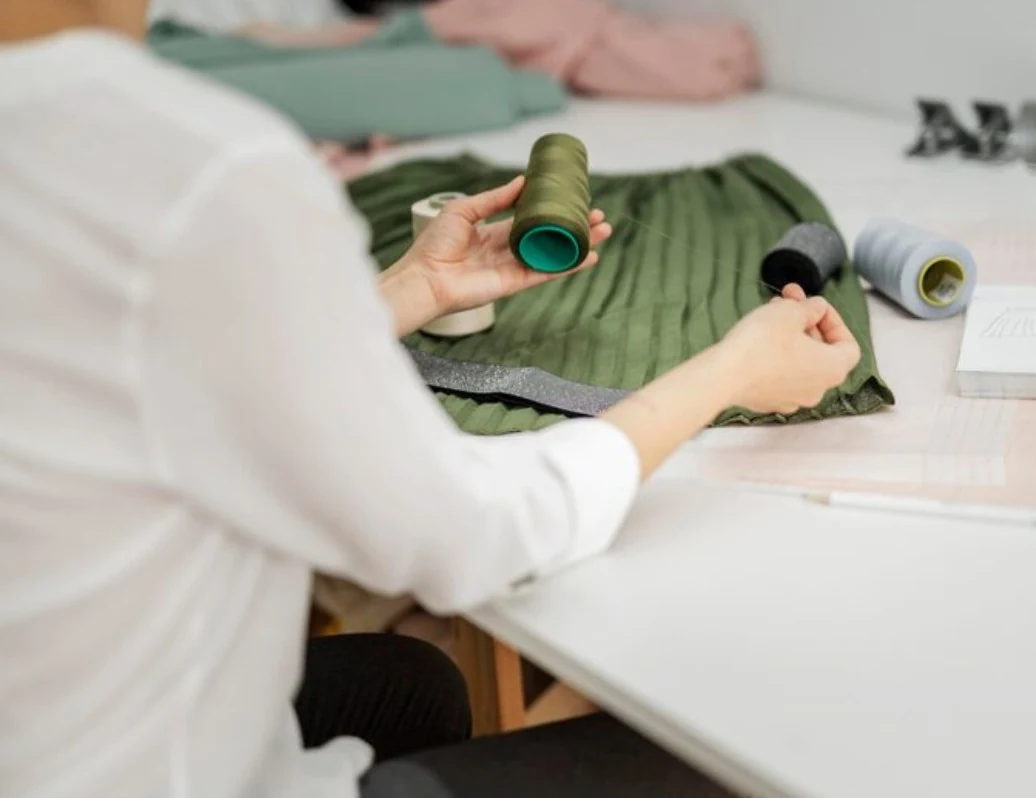
A luxury apparel manufacturer contributes far more than production capacity.
Experienced manufacturing partners often support brands during:
- Material evaluation
- Sample development
- Construction optimization
- Risk assessment
- Quality planning
- Production preparation
For example, two brands may begin with the same premium linen fabric but achieve completely different results.
The difference often comes from decisions made during product development rather than from the material itself.
Pattern engineering, garment construction, finishing techniques, and quality control all influence the final customer experience.
This is why many luxury brands involve manufacturing partners early in the development process instead of waiting until production begins.
Sustainability Begins With Product Longevity
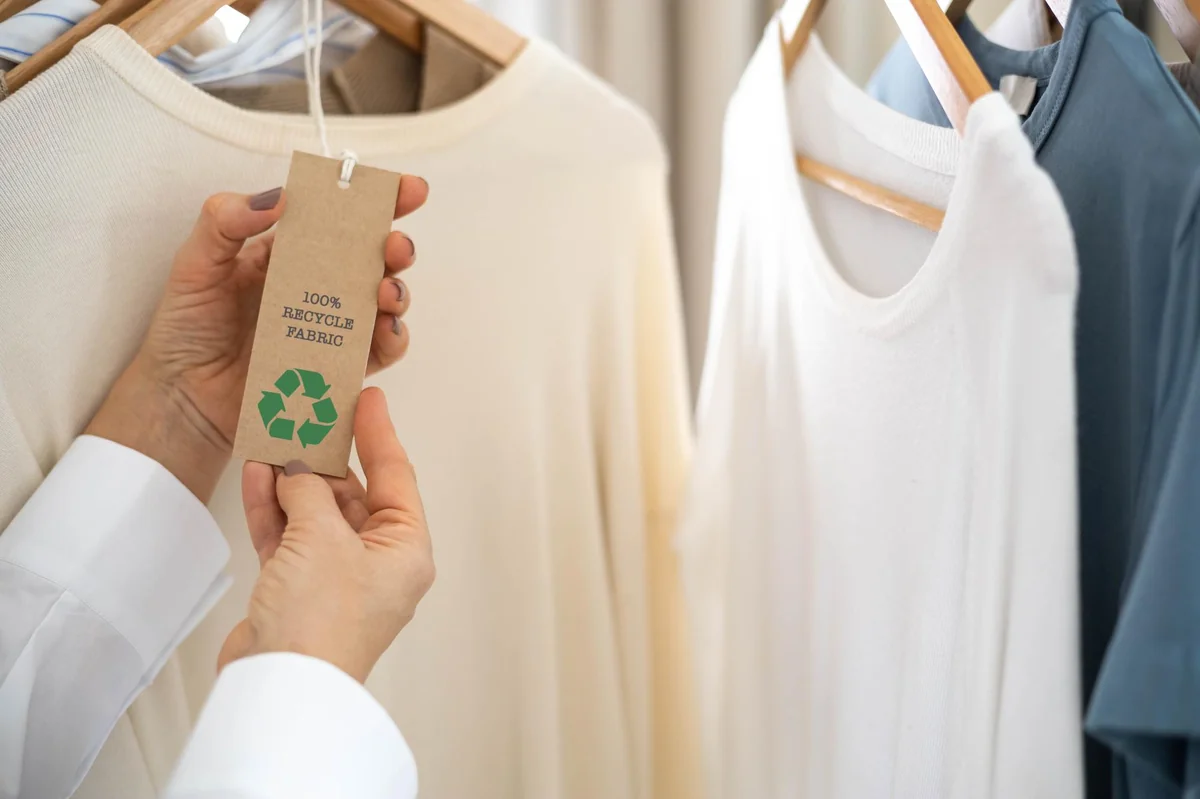
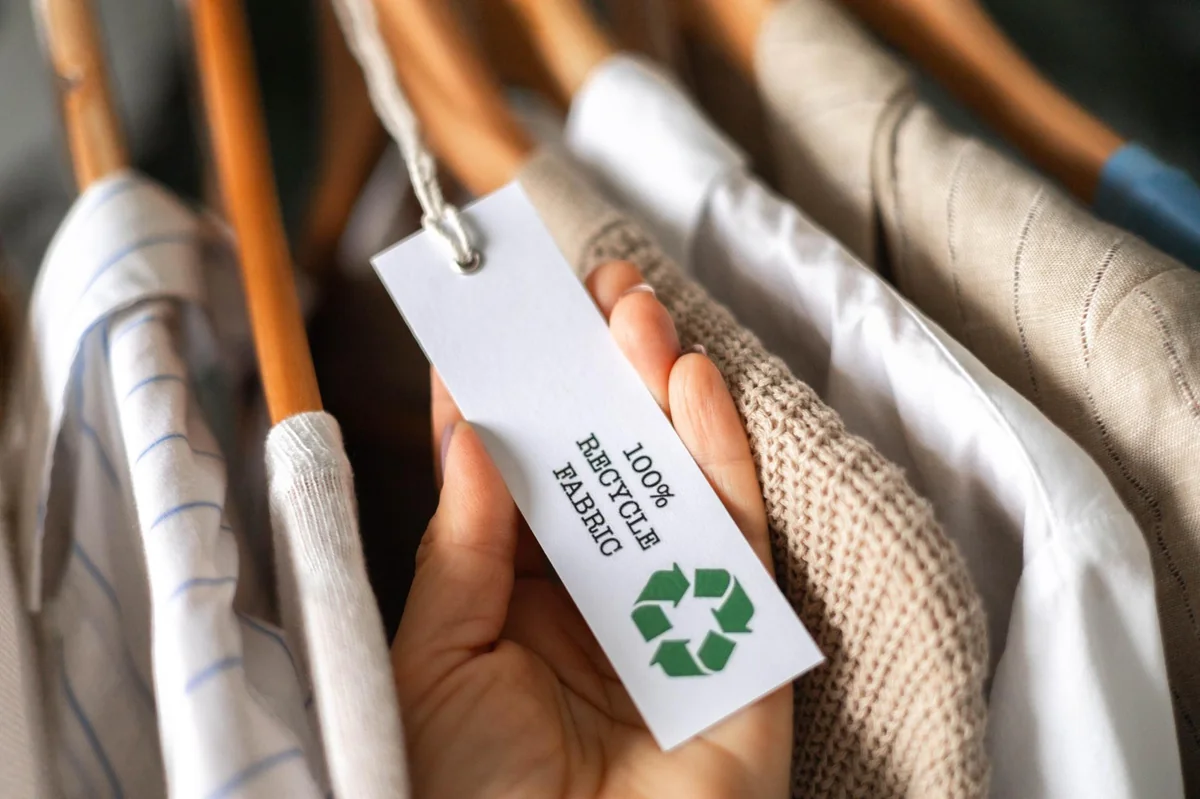
Natural fibers are frequently associated with sustainable fashion.
While environmental considerations remain important, many premium brands now view sustainability from a broader perspective.
A well-made garment that remains in a customer’s wardrobe for many years typically creates less waste than clothing that requires frequent replacement.
Product longevity has therefore become an essential part of sustainable luxury.
For many brands, creating garments that customers genuinely want to keep is just as important as choosing environmentally responsible materials.
Natural Fibers and Innovation Work Together
Natural fibers and technical innovation are often viewed as competing approaches.
In reality, they increasingly complement each other.
Modern luxury collections combine premium natural materials with advanced textile technologies, improved construction methods, and more sophisticated product development processes.
The result is clothing that delivers both traditional craftsmanship and modern performance.

Key Takeaways
Natural fibers remain central to luxury fashion because they support the qualities that premium customers value most:
- Exceptional comfort
- Timeless appearance
- Long-term durability
- Superior craftsmanship
- Product longevity
However, premium materials alone do not create luxury products.
Successful luxury garments depend on careful product development, experienced manufacturing, and consistent quality throughout every stage of production.
As consumer expectations continue to evolve, luxury brands are increasingly investing not only in better materials, but also in better development processes.
Frequently Asked Questions
Why do luxury brands prefer natural fibers?
Luxury brands value natural fibers because they offer superior comfort, breathability, durability, and timeless aesthetics. When combined with excellent product development, they help create garments that deliver long-term value.
Are natural fibers always better than synthetic fabrics?
Not necessarily. Technical synthetic fabrics often provide advantages for sportswear and performance apparel. Luxury fashion frequently combines natural fibers with modern textile innovation to achieve the best balance between comfort and functionality.
Why is product development important for luxury apparel?
Luxury garments require careful fabric testing, pattern refinement, wear trials, and quality validation before production. These development stages help reduce quality risks and ensure consistency across production.
How do experienced manufacturers improve luxury apparel quality?
Experienced manufacturers contribute during material evaluation, sample development, construction planning, quality control, and production preparation. Their expertise helps identify potential issues before they become costly production problems.