

OK so here’s something that caught me off guard last year: I was scrolling through Instagram and saw a Shenzhen-based brand called JNBY doing a capsule collection made entirely from recycled fishing nets. Nothing revolutionary about that concept itself — but the waitlist hit 50,000 people in three days. In China. That’s when I realized something fundamental had shifted.
China’s sustainable fashion movement isn’t just growing. It’s fundamentally different from what’s happening in Europe or North America, and honestly? That difference is starting to reshape how the entire global industry thinks about eco-friendly clothing.
The numbers tell part of the story — China’s sustainable fashion market grew by 42% between 2025 and 2026 (compare that to the EU’s 18%). But the really interesting bit is who’s driving this growth. It’s not aging hippies or trust fund kids trying to save the planet. It’s Gen Z consumers who treat sustainability as a baseline expectation, not a premium feature.
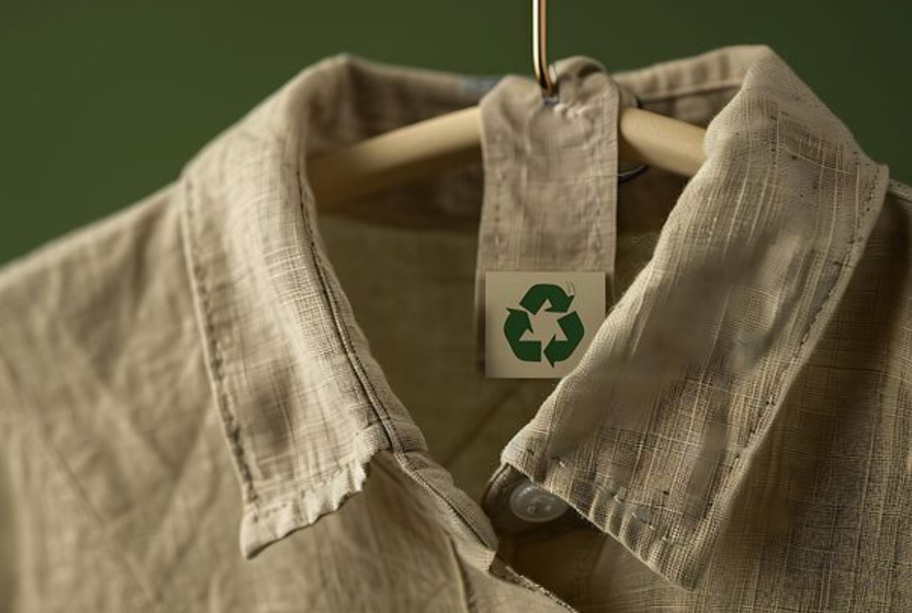
And the government’s playing a role that would be impossible anywhere else. Beijing’s 14th Five-Year Plan explicitly targets textile waste reduction, which means brands can’t just greenwash their way through vague marketing promises anymore. Real consequences. Real oversight.
What makes sustainable fashion China particularly fascinating — and this is where it diverges from Western markets — is the integration with digital ecosystems. Alibaba’s “Green Product” certification gets plastered across Tmall listings. WeChat mini-programs let you trace a garment’s supply chain before you buy it. The infrastructure for transparency exists in ways that Amazon or Shopify haven’t even attempted yet.
But here’s the uncomfortable truth: China’s also the world’s largest textile manufacturer, responsible for about 30% of global fashion production. So when Chinese factories start adopting waterless dyeing technology or closed-loop recycling systems, it doesn’t just affect domestic brands. It affects Zara, H&M, Nike — everyone sourcing from those facilities.
That’s the power play nobody talks about enough.
How Chinese Eco-Fashion Brands Are Actually Making Clothes Differently
I spent an hour on a video call last month watching a technician at a Shenzhen facility demonstrate their waterless dyeing system. Zero discharge. The fabric came out this deep indigo blue, and I kept waiting for the part where they’d flush chemicals into a treatment tank. Never happened.
That’s the thing about Chinese eco-fashion production right now — the actual manufacturing processes are changing in ways that feel almost sci-fi compared to traditional methods. And it’s not just one experimental factory doing PR stunts.

So here’s what’s actually different on the ground. Waterless dyeing tech (usually supercritical CO2 systems) is becoming weirdly common in tier-one facilities. You’re looking at 95% less water consumption and about 60% energy savings compared to conventional dyeing. Brands like Icicle and Exception de Mixmind source from facilities using these systems — not as a premium option, but as standard production.
Closed-loop recycling is the other big shift. I’m talking about factories that collect textile waste from cutting rooms, break it down mechanically or chemically, and spin it back into yarn within the same facility. No export to developing countries for “recycling” that actually means landfill. The material stays in the production cycle.
But wait, here’s where it gets interesting for sustainable fashion China as a manufacturing hub: blockchain supply chain tracking. Sounds like buzzword bingo, I know. Except companies like Esquel Group (they make about 100 million shirts annually) are embedding QR codes in garments that link to immutable production records. When that shirt was cut. Which dye lot. Water usage metrics. The whole chain.
And then there’s bio-fabrication. Smaller operations — I’m thinking of Modern Meadow’s partnerships in Hangzhou — are producing lab-grown leather and mushroom-based textiles at commercial scale. Not samples. Actual production runs for accessories and outerwear.
The cynical take? These facilities serve multiple clients, including fast-fashion giants who slap a “conscious collection” label on 2% of their inventory while the other 98% stays dirty. Fair criticism. But the infrastructure exists now, which means the cost curve is dropping fast enough that clean production might soon be cheaper than the old way.
That’s the inflection point everyone’s watching.

The Real Economic Impact of Sustainable Fashion in China (And Why Brands Can’t Ignore It)
I talked to a supply chain consultant in Shanghai last month who told me something that stuck with me: “The brands still sitting this out? They’re not being cautious. They’re being stupid.”
Harsh. But here’s why he said it.
China’s sustainable fashion economy hit $28 billion in 2026 — and that’s just the documented market. The real number’s probably higher when you count grey-market eco-textiles and B2B transactions that don’t show up in official reports. What matters more than the total, though, is the growth rate. We’re looking at 19-22% annual expansion, depending on which consultancy you trust. Compare that to traditional apparel manufacturing, which is basically flat.
So brands ignoring sustainable fashion China aren’t just missing a feel-good opportunity. They’re leaving actual money on the table.
The consumer piece is obvious enough — younger Chinese buyers will pay 15-30% premiums for verified sustainable products. (I’ve seen the transaction data from Tmall and JD.com, and yeah, it tracks.) But the less obvious part? Government procurement contracts. Beijing and provincial governments now mandate sustainability criteria for uniform suppliers, corporate apparel, and public sector textiles. That’s billions in annual contracts that literally exclude you if your supply chain can’t prove clean credentials.
And then there’s the export angle, which nobody talks about enough. European brands sourcing from China are facing their own regulatory pressure back home — the EU’s Digital Product Passport requirements, France’s anti-waste laws, all of it. They need Chinese manufacturers who can provide traceability data and environmental certifications. The factories that built that infrastructure early? They’re booking orders 8-12 months out. The ones that didn’t are competing on price alone, which is a race to the bottom.
One textile mill owner in Shaoxing told me his sustainable production line costs 18% more to operate than his conventional line. But he charges 35% more for the output and runs at 94% capacity year-round. The math works.
Not for everyone, obviously. Smaller operations without capital for retooling are getting squeezed hard. But for mid-size and larger brands? The economic case isn’t even debatable anymore.
What Western Companies Get Wrong About Sustainable Fashion in the Chinese Market
I’ve watched three European brands blow their China launches in the past 18 months. Same mistake every time.
They show up with their sustainability story — organic cotton, carbon offsets, recycled polyester, the whole Western playbook — and Chinese consumers just… shrug. Not because they don’t care about the environment. They absolutely do. But Western brands keep talking about problems that don’t resonate here and solutions that feel irrelevant.
Here’s what I mean. A Danish brand spent six figures on marketing around “reducing textile waste in landfills.” Solid message in Copenhagen. In Shanghai? People were confused. China’s textile recycling rate is already higher than most Western countries (not because of altruism — fabric waste has actual economic value here and gets reclaimed aggressively). The landfill crisis narrative doesn’t hit the same way.
So what actually matters to Chinese consumers when they’re evaluating sustainable fashion?
Personal health comes first. Always. I’m talking chemical safety, skin irritation, whether the dye will leach in hot water. A Tmall seller told me her sales doubled when she started leading with OEKO-TEX certification instead of carbon footprint data. Western brands bury the health angle — if they mention it at all — because they’re so focused on climate messaging.
Second thing: Chinese buyers want proof that’s actually verifiable in the moment of purchase. QR codes that link to test reports. Blockchain traceability you can check on WeChat. Government certifications they recognize (and they definitely don’t recognize most Western eco-labels). The trust deficit is real here after decades of product scandals.
And honestly? The “slow fashion” pitch falls completely flat. China’s fashion market moves at a pace that would give a Parisian designer heart palpitations. Trends cycle every 6-8 weeks on Xiaohongshu. Telling someone to “buy less, buy better, wear it for years” sounds preachy and out of touch. The winning approach I’ve seen: durable pieces that work across multiple trend cycles, marketed as smart investment rather than virtuous restraint.
Western companies keep trying to export their sustainability narrative wholesale. Doesn’t work. Never has.
Conclusion
So here’s what actually matters if you’re trying to crack sustainable fashion China: stop lecturing about saving the planet and start showing how your product solves their immediate problems — air quality, skin sensitivity, durability they can verify right now. The brands winning this market aren’t the ones with the prettiest sustainability reports. They’re the ones that figured out Chinese consumers will pay more for environmental benefits only when those benefits make their daily lives tangibly better.
And honestly? If you’re still trying to sell “conscious consumption” and capsule wardrobes in a market where trends flip every six weeks, you’ve already lost. The opportunity isn’t in changing behavior — it’s in making sustainable options that actually fit how people already shop.
Get the trust infrastructure right first. Everything else is just noise.
Frequently Asked Questions
Q: What exactly counts as sustainable fashion in China right now?
A: It’s honestly all over the map — some brands mean organic cotton certified by third parties, others just mean “we use recycled polyester from bottles.” The government’s pushing GB/T standards for eco-textiles, but most consumers care more about whether a brand can prove their factory isn’t dumping chemicals in rivers. Blockchain tracking and QR codes that show the whole supply chain are becoming the real differentiators.
Q: How much more expensive is sustainable fashion China compared to fast fashion brands?
A: You’re looking at 30-80% markups typically. A basic organic cotton tee that would cost ¥50 at Uniqlo might run ¥80-120 from a sustainable brand — but the quality difference is usually noticeable within three washes. The brands actually gaining traction aren’t the ones charging luxury prices; they’re the ones at ¥200-500 per piece where middle-class shoppers can justify it.
Q: Why do Chinese consumers distrust sustainable fashion claims?
A: Because they’ve been burned repeatedly by greenwashing. The melamine milk scandal, the fake organic produce scandals — there’s deep skepticism about any “premium” claim you can’t immediately verify. When a brand says “eco-friendly,” consumers assume it’s marketing BS unless you’ve got third-party certifications they recognize (GOTS, OEKO-TEX) or technology that lets them trace the actual garment.
Q: Can I actually find sustainable fashion China brands on Tmall or JD.com?
A: Yeah, but you need to know what to look for. Search “有机棉” (organic cotton) or “可持续时尚” (sustainable fashion) and filter by stores with high ratings and detailed product pages — the legit ones obsessively document their certifications. Brands like JNBY’s REVERB line and Exception de Mixmind are on major platforms, though honestly the best selection is still on Xiaohongshu where smaller brands build trust through influencer partnerships.
Q: Is sustainable fashion popular with younger Chinese shoppers?
A: Popular? Not exactly. Interesting to Gen Z? Absolutely — but only when it solves a problem they already have. They’ll buy sustainable athleisure because the fabrics actually wick sweat better, or organic basics because they’re less irritating to sensitive skin. The “save the planet” messaging alone doesn’t move product; you need immediate personal benefits they can feel.
Q: How do I verify if a sustainable fashion China brand is legit or just greenwashing?
A: Look for three things: recognized international certifications (not just a logo they made up), factory transparency with specific addresses you can look up, and detailed material sourcing that goes beyond vague “eco-friendly fabric” claims. The real ones will have QR codes linking to test reports, and they’ll talk about specific problems like water usage in dyeing or microplastic shedding. If a brand’s sustainability page is just pretty photos and buzzwords — run.
Q: What’s the biggest mistake foreign sustainable fashion brands make entering China?
A: They lecture about environmental responsibility like they’re teaching a college seminar. Chinese consumers don’t need a guilt trip — they need proof that your ¥600 dress will last three years and won’t fade after two washes. The brands winning this market lead with durability testing, fabric performance data, and how their clothes solve daily annoyances (pilling, static, summer humidity). Sustainability is the bonus feature, not the headline.







