The world of fashion has never changed this much before. Consumers are no longer asking about fashion and price. They also want to know where their clothes are made and how their clothes are impacting the world. For clothing brands, this shift is no trend. It’s a new world.
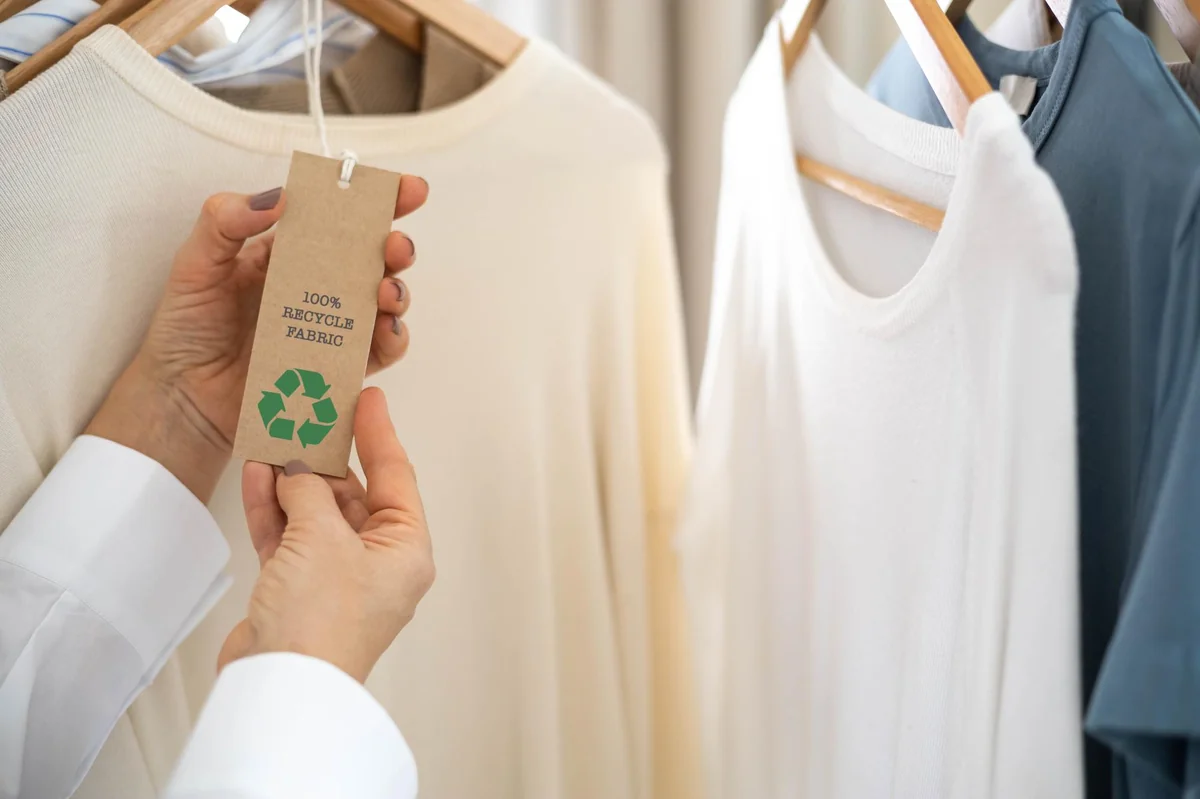
Perhaps one of the most impactful methods brands can use to react is by selecting recycled materials used in their clothing production. These materials convert trash into new fabrics and assist in reducing the heavy footprint of conventional materials. However, the real question lies in why brands should make it a priority and ask their manufacturers for recycled fabrics.
Shall we unpack it slowly and understand why this decision makes a difference to the world, to customers, and to the future of fashion?

What are Recycled Fabrics and How Are They Produced
When you hear “recycled fabrics,” you might think of something coarse or with limited use. Reality could hardly be more opposite. Recycled fabrics are created from used material and are transformed and sent back into use.
Recycled polyester or rPET is produced through the process of crushing used plastic bottles or polyester waste into tiny pellets. These are spun and melted into new fibers similar to ordinary polyester. Recycled cotton comes from used pieces of cloth during the making of clothes or from used garments beyond use. These are thoroughly cleaned, crushed, and spun back into yarn. Others are recycled nylon, usually from junked fishing nets or from old carpets.
Why this process matters
It minimizes waste, conserves resources, and benefits a circular economy. Rather than allowing valuable materials to languish in landfills or oceans, recycled fabrics reclaim them back into the system, for fashion brands, that translates into turning a problem into a solution.
Thus, if recycled fibers are able to approximate the appearance and feel of traditional fibers, why bother with virgin material at all?

Why Brands Should Choose Recycled Fabrics Over Virgin Materials
Virgin fibers such as polyester and cotton are always a dressmaker’s choice. But their creation doesn’t come at a low cost. Virgin polyester, for instance, comes from oil. Cotton takes much land, much water, and much pesticide.
Recycled materials shift the narrative. Sustainability organizations say producing recycled polyester requires almost 60 percent less energy than producing virgin polyester. It also reduces emissions of greenhouse gases. Recycled cotton forgoes the use of water and chemicals to grow new cotton.
The role of consumer demand
Customers are listening. Research indicates that the majority of customers, particularly the young and young at heart, desire clothing produced from green materials. Customers are willing to invest in brands that bear responsibility. Selecting recycled materials is a transparent means of demonstrating a company’s concern.
The push from regulations
Governments are also raising the pressure. In Europe, new rules are emerging that require brands to take more responsibility for their supply chains and waste. By demanding recycled fabrics now, brands can get ahead of these changes instead of scrambling later.
If the consumer and environmental credentials are that robust, what are the other rewards brands stand to gain from the shift?

Advantages of Utilizing Recycled Materials When Producing Clothing
Recovered materials are good for the environment. And good for business as well.
Environmental benefits
Using recycled materials enables brands to cut emissions of virgin resource use and carbon, as well as landfill waste. For every ton of recycled polyester made, a thousand plastic bottles are diverted from landfills, and for every recycled use of cotton, chemical and water use are lowered.
Competitive edge
Besides the environmental story, recycled materials present a note of distinction for brands. They establish brand credibility, strengthen campaign statements, and attract customer loyalty. When competition is stiff, being able to show that your products are actually friendly to the environment might make the difference.
Another plus point is price stability. Virgin material prices often vary with oil or agricultural opportunities. Recycled materials, at times, can offer more stable prices and aid brands with risk reduction through improved planning.
Examples in the industry
Global majors such as Patagonia, H and M, and Adidas are already betting big time on recycled materials. They’ve witnessed customer trust increasing with sustainability ingrained in the product. If world leaders are heading this way, smaller labels cannot lag behind.
Others are opposed. Why? Let us examine a few of the pitfalls that much too often beset brands.
Common Misconceptions About Recycled Fabrics
As soon as a trend becomes fashionable, myths become inevitable. Recycled clothes are no exception.
Myth one: Quality is lower
Others also assume that clothes produced with recycled fibers are less durable or less comfortable. Actually, high-end recycling technology creates fibers that are durable, fashionable, and comfortable. Consumers often are unable to distinguish recycled fibers from virgin fibers.
Myth two: Design choices are restricted.
Others assume recycled fabrics are available in fewer colors, textures, or finishes. However, with production techniques available today, manufacturers can produce recycled fabrics that achieve a variety of design specifications from performance pieces to high-end garments.
Myth three: They cost too much
Yes, recycled garments may occasionally cost a little extra. But once brands factor in the business value of the marketing lift, the reputational boon, and the cost savings of regulatory preparations, the investment becomes worthwhile.
If myths of this sort are being questioned, then what can brands do next? How can they implement practical measures and incorporate recycled fabrics into their designs?
How Brands Can Partner With Manufacturers to Use Recycled Fabrics
The solution resides with collective action. Companies willing to use recycled material should collaborate with the appropriate clothing manufacturers. These manufacturers are the intermediaries of raw materials and finished products.
Choosing the right partner
Brands require manufacturers with fashion knowledge as much as sustainability. A quality partner will guarantee that recycled materials are sourced responsibly and utilized productively in production.
Importance of certifications
In order to demonstrate recycled content, recycled certificates like the Global Recycled Standard or the Recycled Claim Standard are crucial. Even safety certificates like OEKO-TEX assist in ensuring quality. When brands request those certificates from their suppliers, they gain the confidence of their customers.
Product development partnership
Our manufacturers are able to help brands create the correct mix of recycled fabrics that align with durability requirements as well as comfort and style goals. Frequent interaction with manufacturers allows innovative and creative thinking beyond “switching fabrics”.
TY Fashion’s contribution
As a producer of green garments, TY Fashion has also already committed itself to supporting brands during this transformation. With knowledge, certified materials, and high-volume production, TY Fashion helps clothing brands more easily incorporate recycled materials into their portfolio.
So, if this is the present, what does the future hold for recycled fabrics in fashion?
The Future of Fashion Is Built on Recycled Fabrics
Fashion stands at a crossroads. On one side are the tried production techniques still stressing resources and making waste. On the other hand, reclaimed materials and other sustainability-focused innovations promise a brighter future.
Shoppers are calling out for action. Governments are closing the gap. Brands that do nothing with recycled materials risk appearing old-fashioned or irresponsible. Those who get proactive can become champions of the cause and gain customer support through the years.
Why is action obligatory?
Each passing year with no proactive measures adds to the environmental cost. Requesting manufacturers to manufacture recycled materials enables brands to make a difference immediately.
Fashion’s future no longer centers around looking good. It’s about doing good. And that future has already started.
Conclusion
Recycled materials are more than a choice of material. They are a paradigm shift in the way the fashion business imagines responsibility, resources, and innovation. From reducing emissions to capturing customer confidence, the imperatives of insisting on recycled materials are obvious and compelling.
It’s as easy as the next step for brands. Don’t wait until customers or governments push you to do something. Lead now. Collaborate with clothing manufacturers that get sustainability and are able to bring real solutions.
At TY Fashion, we truly believe that every piece of clothing holds a tale of responsibility and thoughtfulness. Should your business be willing and able to proceed with recycled fabrics and green garments production, we’d love to chat about how we can work together. Contact us today and letus start a greener tomorrow with each new season.
FAQs
What are recycled fabrics?
Upcycled fabrics are fabrics created through the process of transforming used materials like plastic bottles, used garments, or surplus fabric debris into a completely original product.
Are recycled materials durable?
Yes. Current recycling technology yields recycled fibers of equivalent quality, softness, strength, and versatility as virgin materials.
Why should brands incorporate recycled materials?
They reduce their environmental impact, meet consumer demands for sustainability, and strengthen a brand’s credibility.
Are recycled fabrics more expensive?
Slightly from time to time, but the long-term value of marketing, compliance, and customer retention usually outweighs the price disparity.
Are recycled clothes sold by apparel makers?
Yes. Some manufacturers, e.g., TY Fashion, sell certified recycled materials used in making green garments.