After uncovering the waste, pollution, and harm behind fast fashion, one question remains:
What does sustainable fashion actually look like?
It’s not just about switching from plastic to cotton, or adding a “green” label. True sustainability is systemic — it’s built into every stage, from raw material sourcing to post-consumer waste. It’s about designing products that respect the planet and people, and building business models that don’t depend on overconsumption.
Here’s what that future could — and should — look like.
1. Less Is More: From Mass Production to Mindful Creation
Sustainable fashion doesn’t chase trends. It values longevity over volume, making fewer pieces with better craftsmanship.
- Limited production runs based on real demand
- Timeless design that stays relevant for years
- Durable materials that resist wear and tear
At TY FASHION, we work with clients to develop low-MOQ collections, helping brands reduce overproduction and avoid wasteful inventory. Smart design means fewer markdowns, fewer returns, and fewer landfills.
2. Materials Matter: From Virgin to Regenerated
Not all fabrics are created equal. Sustainable fashion starts with fibers that are renewable, recyclable, or regenerative.
- Organic cotton, hemp, Tencel™ from responsibly managed forests
- Recycled nylon and polyester made from ocean plastics or post-consumer waste
- Natural dyes and low-impact finishing processes
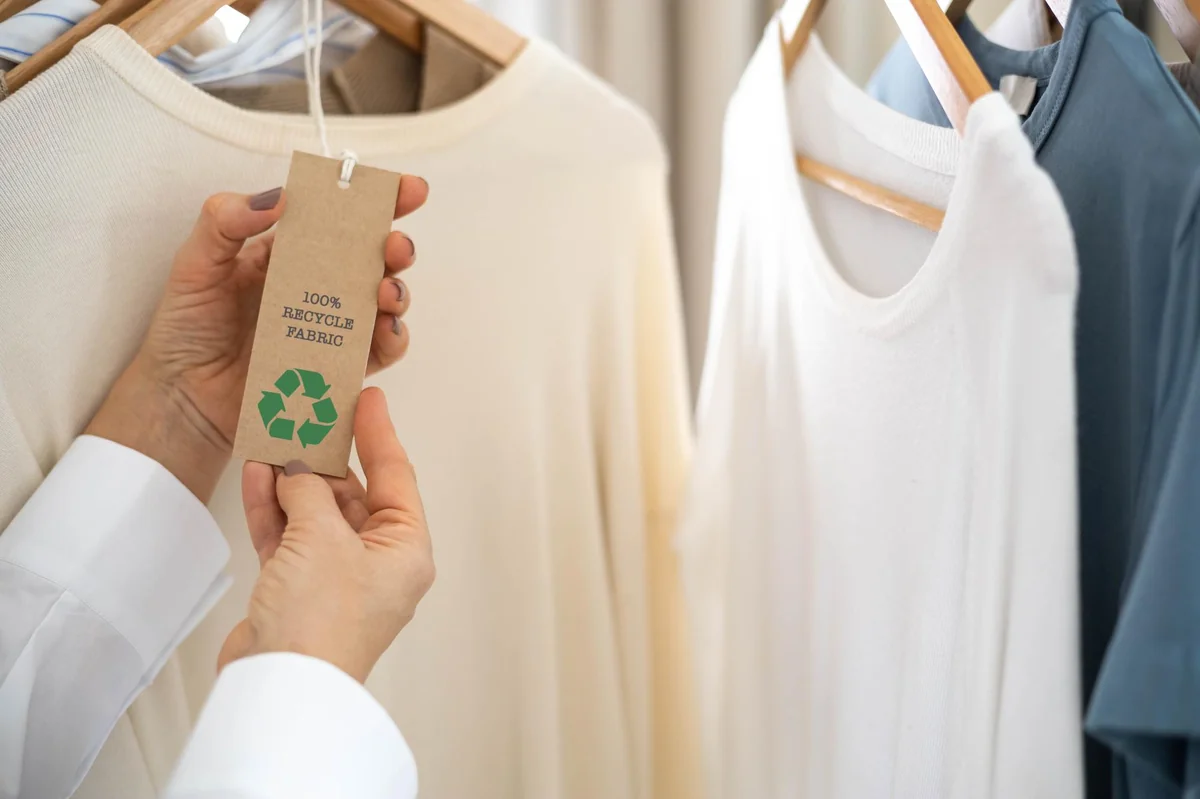
TY FASHION specializes in recycled swimwear fabrics that are GRS-certified and OEKO-TEX® approved — safe for your skin, and safe for the earth.
3. Transparency Over Greenwashing
The future of fashion is traceable. Shoppers deserve to know:
- Where their clothes are made
- Who made them
- How much waste and water were saved
- What the carbon footprint is
More brands are using blockchain, QR codes, and digital passports to let customers track the entire supply chain.
TY FASHION supports this shift with clear documentation, from yarn sourcing to final garment certification. Because real sustainability doesn’t need a filter — it needs proof.

4. Closing the Loop: Circular Design Thinking
The future isn’t just sustainable — it’s circular.
That means:
- Designing for disassembly and recycling
- Encouraging repair, resale, and reuse
- Creating take-back programs and garment recycling systems
Circular fashion breaks the “take-make-waste” model and replaces it with a loop — where clothing has second lives, and waste becomes raw material again.
5. Partnering for Progress
No brand can do it alone. The future of fashion will be built on collaboration, not competition — between:
- Brands and suppliers
- Designers and recyclers
- Consumers and makers
At TY FASHION, we work alongside our brand partners to not only create beautiful collections but also improve sustainability together — through open communication, shared innovation, and long-term commitment.
A Better Fashion Future Starts With Us
Sustainability is not a destination. It’s a journey of continuous learning, improvement, and intention.
We believe that every garment can — and should — be made with care. Not just for style, but for the planet. Not just for now, but for generations to come.
Let’s redesign fashion — and let’s do it right.