We hear a lot of buzzwords in fashion these days—eco, green, conscious—but what exactly does it come down to when applied to sustainable fabrics? If you are a consumer, retailer, or fashion company who wants to make the right decision, you must know what comprises a sustainable fabric. The reality is that not all “eco” are equal.
So, what sets authentic sustainability apart from hype? The answer lies in the certifications.
Let’s break down step by step what it takes to make a fabric really sustainable, why certifications matter, and how to know the fabrics that are really making a difference—for people, the planet, and your brand.
What Are Sustainable Fabrics, Anyway?
You may be asking yourself, What exactly is a sustainable fabric? It’s not just a product with a green stamp of approval.
The Essentials of Fashion Sustainability
A sustainable textile is a textile produced in a way that does not harm the environment and is equitable to individuals involved in its production. This generally means that the fabric:
- From recycled or renewable sources
- Consumes fewer resources such as water and energy
- Prevents toxic chemicals
- Can be decomposed naturally or recycled once more
- It is produced in factories where equitable labor is used.
This type of fabric is not an accident. It requires deliberate focus, ethical sourcing, and transparent production practices—something that not all brands or suppliers are keen on.
Materials That Make a Difference
Some of the widest-used sustainable materials are:
- Organic cotton (grown organically without poisonous pesticides)
- Hemp (a fast-growing crop needing little water)
- TENCEL™ Lyocell (a wood pulp fiber from sustainable forestry).
- Recycled polyester (from used clothing or plastic bottles)
But remember—using these materials does not automatically create a sustainable fabric. That is where certifications come in.

Why Certifications Matter to Sustainable Fabrics
You’ve likely noticed tags or labels that are “natural” or “eco-friendly.” But how do you actually know it’s so?
Cutting Through the Greenwashing
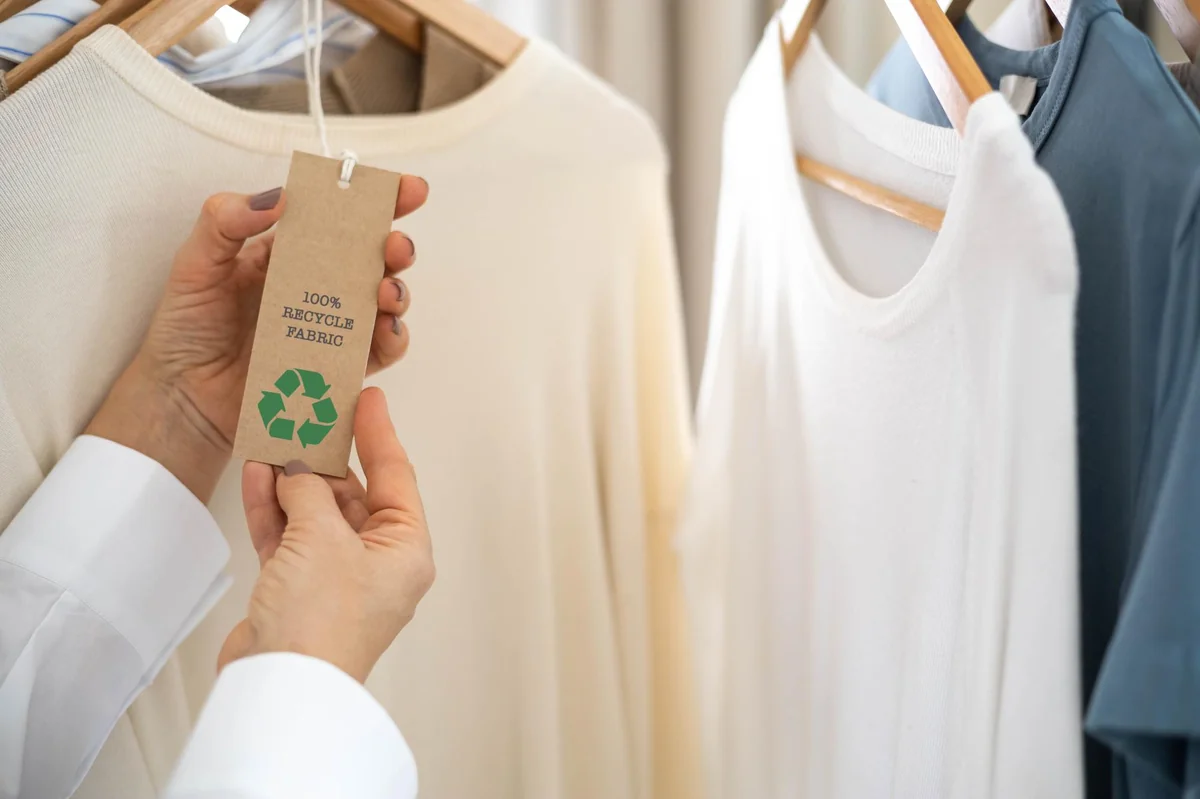
Greenwashing is when a brand makes something look greener than it actually is. It’s a huge problem in fashion, and it’s hard to tell whether what you’re seeing is actually change or just good marketing.
That is where certifications come in. They guarantee that a material upholds strict environmental and ethical requirements, not high-sounding phrases.
Certifications = Trust and Transparency
When a fabric is certified, it signifies that it has been inspected and approved by a third-party independent organization. These organizations have clear-cut regulations and test for items like:
- Which chemicals are used
- Amount of energy or water consumed
- If the material is recycled or organic in reality
- Whether the employees are treated fairly
These principles enable brands, retailers, and consumers to realize they’re buying sustainable textiles for the right reasons.
The Most Applicable Certifications for Sustainable Textiles
Now that we know why the certifications are essential, let’s talk about the most trustworthy ones to seek out when choosing sustainable fabrics.
GOTS (Global Organic Textile Standard)
GOTS is the gold standard of organic textiles. It certifies the whole supply chain from production to dyeing to packaging. If you see this label, you can be sure:
- It contains a minimum of 70% organic fibers
- Harmful chemicals are restricted or banned.
- Employees are treated equitably.
OEKO-TEX Standard 100
It’s all about safety. OEKO-TEX Standard 100 is a test of the fabrics for harmful chemicals even if they are used in trace amounts. If it has been certified, it’s safe to wear—especially for babies and for sensitive skin.
bluesign®, GRS, Fair Trade, and More
- bluesign®: Considers the way in which a product is manufactured, i.e., the chemicals, energy, and water used in its manufacture.
- GRS (Global Recycled Standard): Ensures that the recycled materials are indeed recycled and audits social and environmental procedures.
- Fair Trade Certified: Offers fair wages and secure working conditions for workers throughout the supply chain.
All of these certifications work in different ways, but together they provide the complete picture of what a sustainable fabric is.

How to Know If a Fabric Is Truly Sustainable
So, how do you know a fabric is a genuine article? If you’re a consumer or fashion business, the right questions are where to start.
Questions Retailers and Consumers Should Ask
- May I view the certification documents?
- What is the origin and quantity of fiber?
- Are the processing chemicals safe and approved?
- How is water and energy used in manufacturing?
And if the answers are evasive, that would be a red flag.
Red Flags to Watch Out For
- Epidemiological statements like “eco-friendly” with no proof
- No certificates are issued on demand.
- Poor transparency about sourcing or labor practices
Remember: Sustainable textiles must be accompanied by traceability, not an enigma.
How TY Fashion Encourages Sustainable Textiles Through Production
At TY Fashion, we believe that sustainability has to be more than buzzword material—it has to be something you are able to prove, believe, and build a brand around.
Our Warranty to Certified Materials
We produce clothing using sustainably certified fibers such as organic cotton, recycled polyester, and more. All our fibers meet industry standards such as GOTS, OEKO-TEX®, and GRS.
By investing in clean technology and water-conserving processes, we reduce our footprint—because how we produce is as important as what we produce.
How We Help Brands Develop Ethical Collections
Our customers—fashion brands and retailers—trust us for high-quality certified materials that are traceable. We allow you to produce your sustainable collections without compromising on values, comfort, and style.
Choosing sustainable material with TY Fashion is choosing quality, integrity, and a more sustainable future.
Why Choosing Sustainable Fabric is Important — More Than Ever Before
We’ve talked about what sustainable fabrics are, how they become certified, and how to recognize the real deal. But why should any of this matter?
Benefits to Humanity and the World
By choosing sustainably certified products, you’re investing in:
- Fewer pollutants in oceans and rivers
- Less greenhouse gas emissions during manufacturing
- Equal treatment of the factory employees
- Longer-lasting clothes with safer materials
It’s a victory for people, the planet, and even your wardrobe.
Small Choices, Big Consequences
Every time you opt for a material or introduce a new range, you’re making a decision that has impact globally. Opting for sustainability may seem like a small gesture—but when millions of small decisions make a big difference, they create real change.
And the twist? You don’t have to sacrifice quality, color, comfort, or performance.

Final Words
Are you ready to work with a Trusted Sustainable Clothing Manufacturer? If you’re willing to move beyond good intentions and do something, TY Fashion is ready to help. Whether it’s introducing a new product line or overhauling your sourcing strategy, we bring certified sustainable materials, transparency, and innovation to every step of the process.
Let’s make something better—together.
Contact us now to learn how we can help your brand make fashion sustainable, one fabric at a time.
Frequently Asked Questions
1. What are sustainable fabrics?
Sustainable materials are materials made in a way that is healthier for the environment and for humanity. They consume less water, energy, and chemicals and are typically organic, recycled, or biodegradable.
2. Why do we require sustainable fabrics?
They help save the world by using fewer resources and causing less pollution. They also help ensure equitable working conditions in factories.
3. How do I know if a fabric is really sustainable?
Look for certifications like GOTS, OEKO-TEX®, or bluesign®. These ensure that the fabric has met some kind of safety, environmental, and fair labor standard.
4. What are examples of sustainable fabrics?
Examples are organic cotton, hemp, TENCEL™, and recycled polyester. They are more sustainable than conventional materials.
5. Are sustainable textiles more expensive?
Sometimes, they are more expensive, but that is because they are produced out of love for human beings and the earth. Businesses are doing all they can to lower their prices.
6. Can sustainable fabrics be comfortable and fashionable?
Yes! They can be as soft, vibrant, and durable as regular clothing. Most of the leading brands currently incorporate them in fashion.
7. What certification is most worthwhile to look for in sustainable textiles?
GOTS is among the best certifications. It verifies organic materials, non-toxic chemicals, and just working practices.
8. Is recycled polyester environmentally friendly?
Yes, it is. Recycled polyester is made from things like plastic bottles. It uses less energy and does not end up in the landfill.
9. How do sustainable fabrics help the environment?
They use fewer natural resources, generate less waste, and are also often made in cleaner, safer processes.
10. How can I buy clothes made from sustainable fabrics?
Some eco-friendly companies and brands, including TY Fashion, have sustainable materials certified in their collections. Look for labels and ask when you’re shopping.