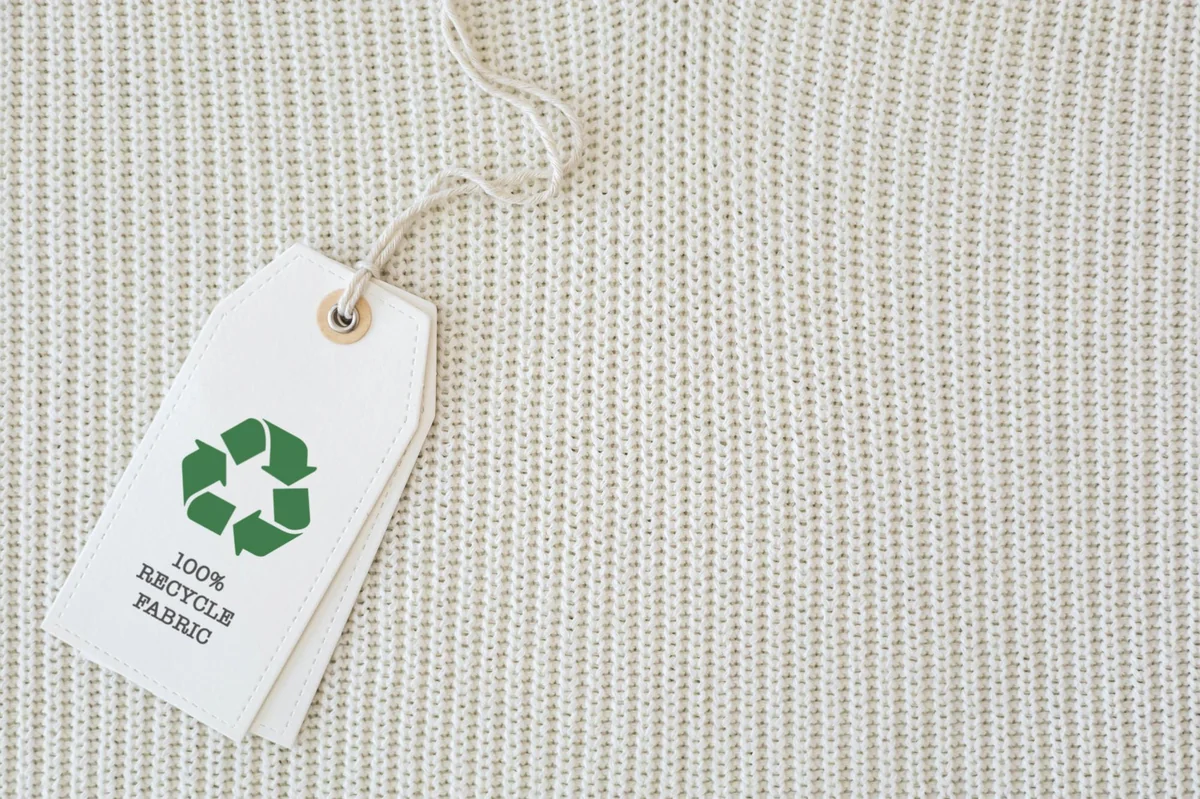
Greenwashing is exhausting. Not because it’s hard to spot once you know what you’re looking for — but because so many brands have gotten genuinely good at hiding it behind linen-textured packaging and vague words like “eco-conscious” and “planet-friendly.” Authentic sustainable apparel doesn’t announce itself with a mood board. It shows up in the details most buyers never think to check.
So here’s where to actually start: supply chain transparency. A brand that can tell you which factory made your jacket, what that factory’s audit status is, and roughly how many workers are employed there — that’s a brand operating differently from one that just slaps a leaf logo on a hangtag. Third-party certifications matter too (GOTS, OEKO-TEX, Bluesign — these aren’t just acronyms, they require real documentation and annual audits), but certifications alone aren’t the whole story. Some of the most sophisticated and stylish: the best fashion labels operating right now hold zero formal certs and still run cleaner, fairer supply chains than brands with walls full of badges.
Specificity is the tell. Always.

A genuinely transparent brand will describe its materials with actual fiber percentages, not just “natural fabrics.” It’ll talk about dye processes, water usage, or waste diversion rates — not because it sounds good, but because that data exists and they tracked it.
- Check for named factories, not just “ethically sourced” claims
- Look for dated impact reports — not evergreen marketing copy
- Ask whether certifications cover the full supply chain or just one tier
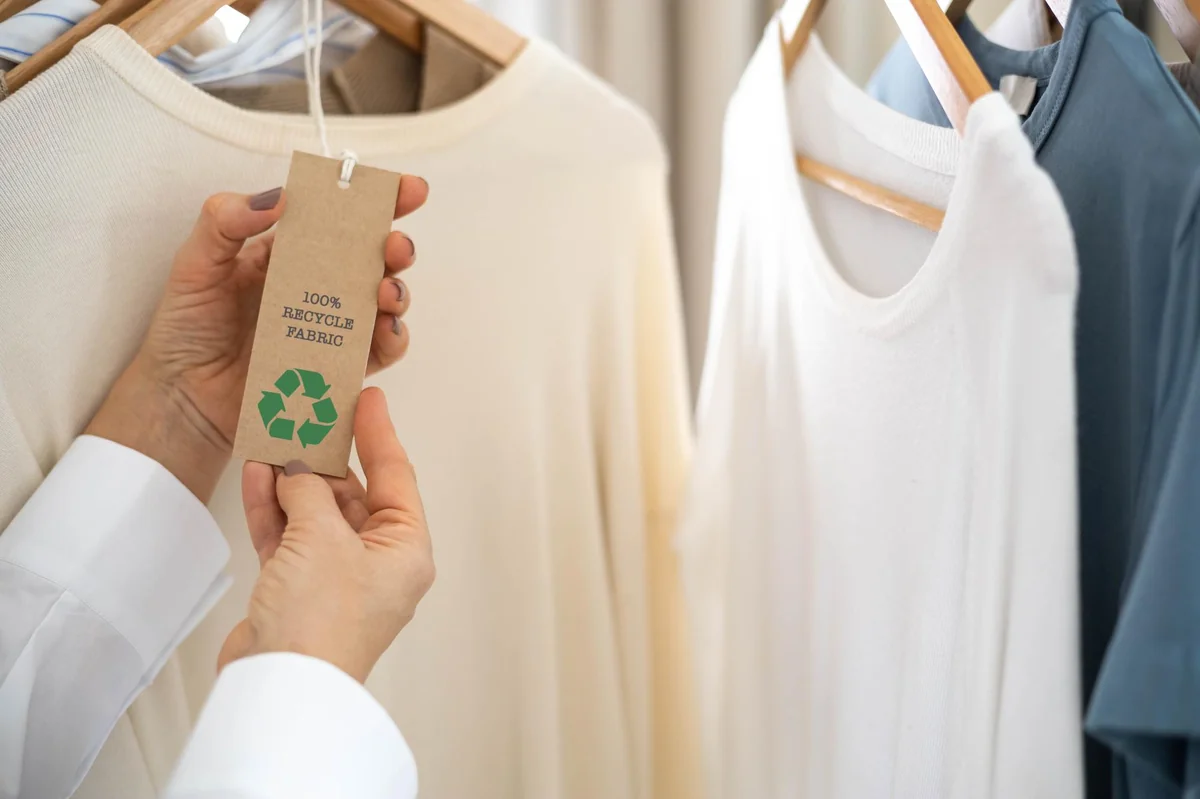
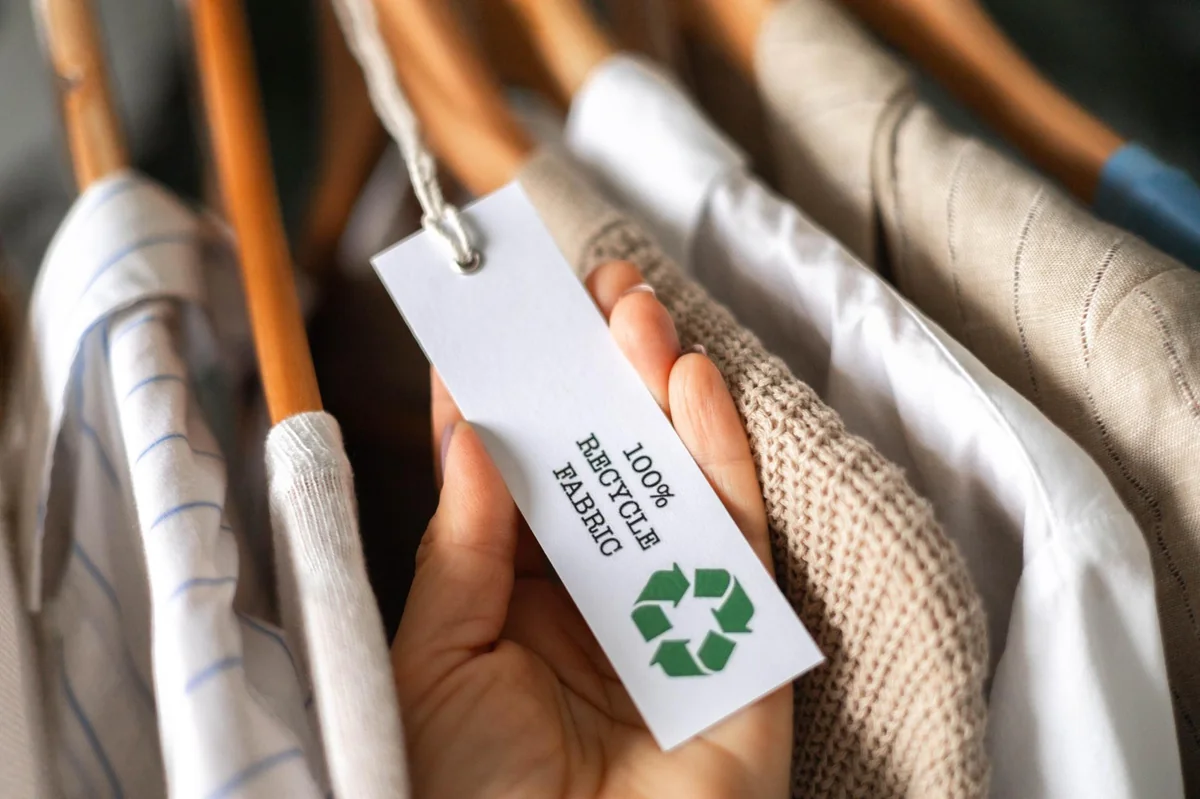
- Notice if the brand distinguishes between recycled and recyclable (most don’t)
Authentic sustainable apparel — the real kind — tends to be quieter about it. Not secretive. Just less performative.
The Sustainable Clothing Brands That Are Doing It Right — And Why They Stand Out
Some brands just get it. Not in a marketing-deck way — in a “here’s our factory address, here’s our water usage, here’s what we’re still getting wrong” way. That level of honesty is genuinely rare, and it’s the clearest signal that authentic sustainable apparel is actually the operating model, not just the brand story.
Patagonia is the obvious name to drop, and yes, it belongs here. But what makes them worth citing isn’t their fleece jackets — it’s that they publish what’s broken in their own supply chain. That takes nerve. Eileen Fisher runs a take-back program called Renew that’s been operational long enough to have real throughput data, not just a landing page. And Veja — a French sneaker brand — sources its Amazonian rubber through documented farmer cooperatives and publishes actual cost breakdowns. Uncomfortable reading for most competitors.
So what separates these names from the greenwashing crowd? A few things, consistently.
- They name suppliers at tier two and tier three — not just the final assembly facility
- They distinguish between using recycled materials now versus building toward recyclable end-of-life design (very different things)
- Their sustainable packaging solutions — including how VFFS systems are adapted for poly-free or compostable mailers — get actual mention in operations documentation, not just a footnote
- They update impact reports annually, with dated figures
Sophisticated and stylish: the best fashion credentials in this space aren’t about aesthetics — though brands like Bite Studios and Aeron prove sustainability and sharp design aren’t mutually exclusive. Winter fashion: perfect styling tips for cold-weather dressing increasingly come from brands building durability into the garment itself, because a coat that lasts eight seasons is inherently less wasteful than one that pills by February.
There’s also a generational dimension worth noting. The 60s vs 70s fashion trends comparison that keeps circulating in editorial circles isn’t just nostalgia — it tracks with how younger buyers are reading retro fashion: embrace vintage styles and secondhand sourcing as a legitimate alternative to new production entirely. (Which, honestly, is the most sustainable option of all — nothing manufactured at all.)
The sunlight portrait beautiful fashionable girl with curly hair fashion clothes look with stylish sunglasses vintage coat street near metal wall shade scaled aesthetic that dominates sustainable brand photography? Pretty. But the brands doing it right know that imagery is the last thing they built. The supply chain came first.

How to Evaluate Ethical Fashion Brands Before You Buy: Supply Chain, Materials, and Certifications
Certifications are the closest thing this industry has to a receipt. Not perfect — nothing is — but a GOTS label or a Fair Trade mark means someone actually audited the facility, not just asked the brand to fill out a self-assessment form.
So here’s how to actually do this, because “research the brand” is advice that sounds useful until you’re staring at a website full of vague commitments and sunlight portrait beautiful fashionable girl with curly hair fashion clothes look with stylish sunglasses vintage coat street near metal wall shade scaled imagery that tells you exactly nothing about who sewed the garment. Start with the supply chain disclosure. Authentic sustainable apparel brands — the ones worth your money — will name their Tier 1 manufacturers at minimum. Some go further. If a brand can’t tell you what country the fabric was woven in, that’s not transparency. That’s a marketing page.
Materials matter more than most buyers realize. Recycled polyester sounds responsible until you learn it still sheds microplastics at roughly the same rate as virgin poly. Organic cotton is better — but only if the certification is third-party verified, not self-declared. TENCEL and linen sit near the top of the fiber hierarchy for low-impact production. And wool? Depends entirely on farm practices.
Certifications worth recognizing:
- GOTS (Global Organic Textile Standard) — covers fiber through finished product
- OEKO-TEX Standard 100 — tests for harmful substances in the final fabric
- Fair Trade Certified — focuses on wages and labor conditions
- Bluesign — addresses chemical use and water/energy efficiency in mills
- B Corp — company-wide accountability, not just product-level
Packaging is increasingly part of the evaluation too. Brands serious about authentic sustainable apparel are rethinking everything downstream — some have adopted sustainable packaging solutions: how VFFS systems handle poly-free mailers and compostable pouches at scale is actually a reasonable proxy for how seriously a company takes the whole operation, not just the garment itself.
Sophisticated and stylish: the best fashion brands in this space don’t treat ethics as a bolt-on. The supply chain decisions came first. The aesthetic followed. That sequencing — unglamorous as it sounds — is the tell.
Where to Find Authentic Sustainable Apparel Without Getting Greenwashed
Honestly, the hardest part isn’t finding brands that claim sustainability — those are everywhere now. The hard part is finding ones that aren’t just performing it for Instagram. So here’s how buyers actually separate signal from noise, because the greenwash is thick out there.
Start with sourcing transparency. Any brand serious about authentic sustainable apparel will publish its supplier list — factory names, locations, audit results. Not a vague “we partner with ethical factories” paragraph buried in an About page. Actual names. Actual addresses. Patagonia does this. So does Eileen Fisher. If a brand won’t tell you where the garment was cut and sewn, that’s your answer right there.
Not glamorous advice. But necessary.
Secondary marketplaces are underrated here — and this is where retro fashion: embrace vintage styles and pre-owned pieces becomes genuinely relevant, not just trendy. Buying secondhand from verified resellers (ThredUp’s supply chain audits are public record, for what it’s worth) sidesteps the manufacturing question almost entirely. And for buyers chasing that sunlight portrait beautiful fashionable girl with curly hair fashion clothes look with stylish sunglasses vintage coat street near metal wall shade scaled aesthetic — the kind of editorial, textured visual identity that feels earned rather than produced — vintage sourcing delivers it authentically anyway.
For new goods, cross-reference certifications against product claims. A brand can be sophisticated and stylish: the best fashion labels in this space tend to stack credentials — GOTS plus Fair Trade, say — rather than lean on one alone. Single-cert brands aren’t automatically suspect, but it’s worth asking why they stopped there.
Seasonality matters too. Winter fashion: perfect styling tips for cold-weather dressing often push heavier materials — wools, fleece, technical insulation — where the certification gaps are widest and greenwashing is most common. Scrutinize those categories harder.
And if you’re sourcing at volume — say, building a wholesale program — suppliers like TY Fashion who document their OEM specs and quality control processes openly are worth shortlisting, because that paper trail is exactly the kind of accountability that makes authentic sustainable apparel claims defensible to your own customers. The 60s vs 70s fashion trends comparison that keeps cycling through buyer mood boards is fun, but the supply chain documentation? That’s what actually matters.

Conclusion
The bar for authentic sustainable apparel is higher than most brands want you to think — and that gap between marketing copy and actual documentation is where buyers get burned.
Stack the credentials, check the paper trail, and be especially skeptical in heavier seasonal categories where greenwashing is rampant and certification coverage gets thin fast. One cert is a starting point. A sourcing partner who can show you the full OEM spec sheet and quality control records? That’s the actual floor.
Ask harder questions. The brands and suppliers who can answer them — clearly, without spin — are the ones worth your money.
Frequently Asked Questions
Q: What actually makes authentic sustainable apparel different from regular “eco-friendly” clothing?
A: The word “eco-friendly” has no legal definition — which means any brand can slap it on a hang tag without consequence. Authentic sustainable apparel, by contrast, is backed by third-party certifications (GOTS, OEKO-TEX, bluesign) and traceable supply chain documentation that you can actually request and verify. If a brand can’t produce a cert number you can look up, it’s marketing, not sustainability.
Q: How do I verify a sustainability certification is real and not expired?
A: Every major certification body has a public database — GOTS has its own search tool at global-standard.org, and OEKO-TEX certifications are searchable at oeko-tex.com. Type in the brand or supplier name directly; don’t just trust the logo on the product page. Certificates expire annually, so a cert from 18 months ago means nothing today.
Q: Why is authentic sustainable apparel so expensive compared to conventional clothing?
A: Organic cotton can cost 20–30% more to grow than conventional cotton, and that’s before you factor in the audit fees, third-party testing, and tighter production controls that legitimate certification actually requires. Suppliers who cut corners on those costs are the ones offering suspiciously low MOQs with vague sourcing answers. You’re not just paying for fabric — you’re paying for the paper trail.
Q: How much should I expect to pay for a genuinely certified sustainable T-shirt at wholesale?
A: Wholesale pricing for a GOTS-certified basic tee typically starts around $8–$14 USD per unit depending on fabric weight, construction, and order volume — noticeably higher than a conventional equivalent sitting at $4–$6. Anything well below that range from a supplier claiming full organic certification should raise an immediate flag. The math on compliant production doesn’t allow for those margins.
Q: Is it worth paying a premium for authentic sustainable apparel if I’m a small buyer?
A: Depends entirely on your customer base. If you’re selling to an audience that actively checks certifications — and that segment is growing fast — then the credibility gap between certified and uncertified product will cost you more in lost trust than the price difference ever would. Smaller buyers can also work with OEM suppliers (like those offering flexible customized programs) who’ll accommodate lower volumes on certified fabrics without forcing a 5,000-unit minimum.
Q: Can I request sustainable apparel production with custom specifications, or does certification limit what’s possible?
A: Certification limits your material inputs, not your design freedom. You can still spec custom fits, trims, labels, and colorways — the constraint is that dyes, fabrics, and processing chemicals all need to stay within certified parameters. A supplier experienced in OEM/ODM work for international buyers will know exactly where those boundaries are and flag conflicts before sampling, not after.
Q: How long does it take to develop an authentic sustainable apparel line from scratch?
A: Realistically, 4–6 months minimum — and that’s if your supplier already holds the relevant certifications. Sourcing certified fabric, going through sampling, fit revisions, and pre-shipment quality control all take longer than conventional development because there are more compliance checkpoints in the chain. Rushing it is exactly how brands end up with a “sustainable” collection that can’t survive a documentation audit.
Q: Why do so many brands claim authentic sustainable apparel but struggle to show proof when asked?
A: Because consumer demand for sustainability outpaced supply chain infrastructure — so a lot of brands made claims first and figured out the paperwork later (or never). Some genuinely don’t know what their Tier 2 or Tier 3 suppliers are doing; others know and are hoping no one asks. Either way, if a direct question about certification scope gets you a vague brand story instead of a document number, that’s your answer right there.