The fashion industry is one of the most creative and innovative industries, with a lot of trends every now and then; however, it is also one of the industries most responsible for causing pollution. From the destruction of fabrics to pollution from the disposal and utilization of dangerous chemicals, it cannot be refuted that the environment is affected. But change is on the horizon, or more specifically, It has been slowly approaching over the past few years. More people have been embracing environmentally friendly products, hence the upsurge in the adoption of sustainable clothing. At the core of this process are natural fibers, particularly organic cotton, and recycled materials. These materials are not only sustainable, but they are also paving the way to new trends in fashion that are both practical as well as environmental.
That being said, what makes natural fibers, organic cotton, and recycled fabrics the new trend in the future fashion? Now let me give you an insight into how they are a revolution for both the environment and the fashion domain.
How Traditional Fabrics Harm Our Planet
As most of us consider fabrics, polyester and nylon are some of the most easily recognizable materials. Despite the aesthetics of these fabrics, they have more evils to humanity and the environment than would initially meet the eye. The specific types of plastic include polyester, which is made from petroleum, which is a nonrenewable source of energy. Energy is consumed a lot by the production of these synthetic fibers, which form these materials, and therefore, they are energy-intensive and take up a lot of space. But that’s not all. These materials do not degrade. Thus, they are buried in landfills for hundreds of years. Besides, they discharge microplastics into our oceans whenever they are washed, which further pollutes marine life.
And it doesn’t stop there. It emerged that huge amounts of water are used to manufacture conventional fabrics, particularly those made of cotton. In fact, it requires about 2,700 litres of water to produce a single T-shirt from conventional cotton. For instance, the dyes and other materials used in the dyeing and finishing process pose a threat to water systems.
All in all, there is a high level of pollution due to traditional fabrics. So, what can we do about it? Nowadays, organic materials, such as natural cotton and used fabric materials, are more and more popular.

Why Natural Fibers Are the Game-Changer
From the above discussion, the following points can be deduced from the above discussion: In other words, they are procured from natural sources such as plants, animals, or minerals. They include cotton, wool, hemp, and bamboo, among others. Another advantage of natural fibers is that they are biodegradable, and this relatively implies that they dissolve naturally in the environment, hence no long-term issue with pollution. They also need a considerably reduced amount of chemicals during the action, which makes them environmentally friendly as well as safe when used by people.
For instance, organic cotton is cultivated in a natural or organic manner with no use of toxic pesticides or synthetic fertilizers. In this case, it becomes better for the soil, the water, and even farmers who will be using it in their farming. Indeed, researchers have found that organic cotton farming requires 79% less pesticides and 25% less water than conventional cotton farming. Since organic farming practices pay much attention to the health of the soil, the rate at which it gets eroded is low, and the habitat of various living organisms is also enhanced.
But natural fibers are not only friendly for the environment but also for the people who will wear those fabrics. As such, it can be stated that natural fabrics are normally softer and cooler compared to synthetic fibers, which makes them more convenient to wear all over the body. Also, they do not cover the skin and allow fresh air to circulate within the skin, therefore minimizing instances of skin rash. Thus, in addition to being useful in protecting the environment, natural fibers make a positive impact on the lives of those people who use them.
The Benefits of Organic Cotton
Organic cotton is a cotton material that is produced from a plant cultivated naturally that does not contain chemical compounds. Thus, it makes it a much more sustainable option than conventional cotton production and use. Since organic cotton does not use synthetic pesticides and fertilizers, the environment is preserved, and the same applies to cotton, which is free from these chemicals. This makes it a safer option for those individuals who cultivate it or grow it and those people who use it having worn it.
The other advantage of organic cotton is that it uses much less water than nonorganic cotton. Although not as damaging to the environment as traditional cotton cultivating, the difference between regular cotton consumption of water is drastically different. Also, organic cotton farmers pay special attention to the health of the soil, which makes the soil capable of retaining moisture, and therefore, the use of water in farming activity will be less.
Also, the use of chemicals in the growing of organic foods is minimal hence the soil is healthier while local ecosystems are not affected in any way. Consumers are thus able to patronize not only organic farming and products but also fair trade by opting for organic cotton. The social sustainability of organic cotton is that the growers and pickers harvest crops and work in an environmentally safer and hygienically healthy atmosphere.
At TY Fashion, we were fully aware of the function of organic cotton in developing environment friendly, quality apparels. In the fashion garments, we were able to come up with smart clothing that was eco-friendly because of the use of organic cotton.

Recycled Fabrics: The Key to Reducing Waste
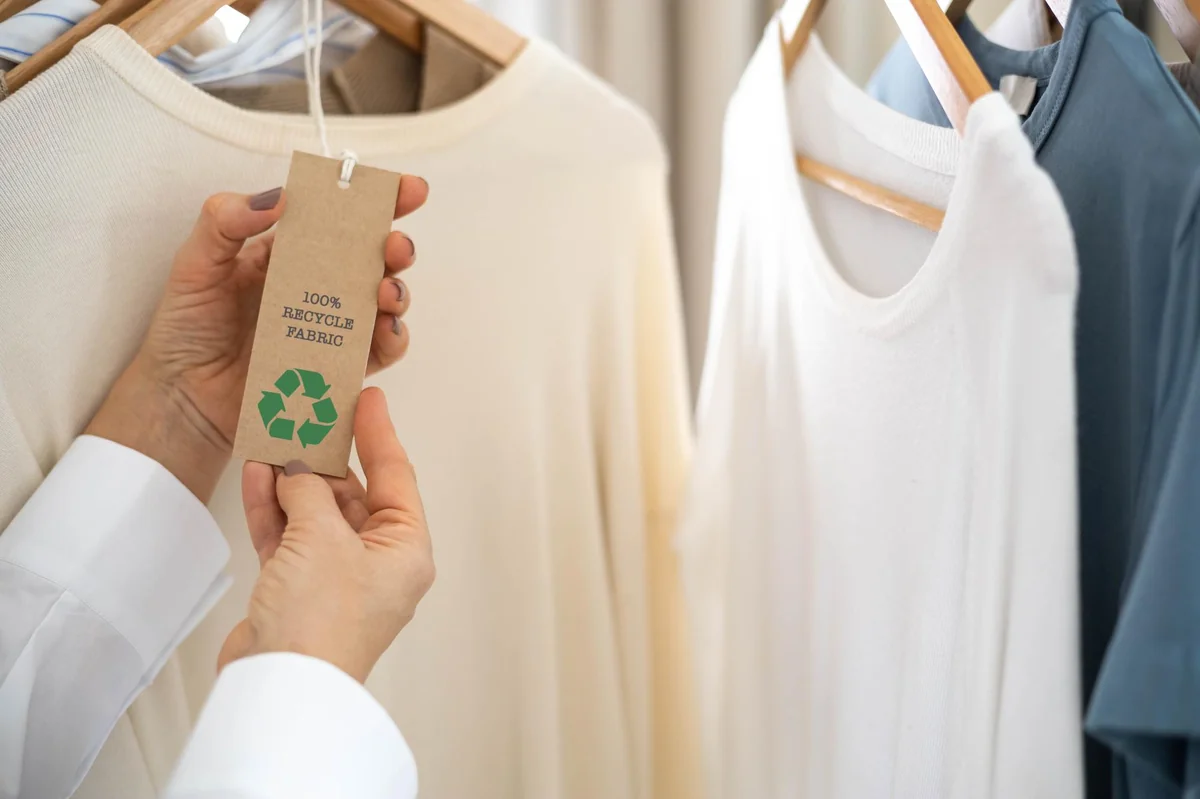
Fashion has become one of the leading industries that contribute to the disposal of waste since many tonnes of clothes end up in the dumps annually. What is left is reused fabrics, and that is where recycled fabrics come in. Recycled fabrics also consume less material than is new ones since they are derived from the existing materials that have been used in the past; for instance, recycled polyester is derived from plastic bottles and fabric offcuts, using the little recovered from previous collections.
Sustainability is especially important in the fashion industry, and recycling fabrics is one effective method of achieving this. As opposed to producing fabrics from scratch, recycled fabrics help to reuse fabrics, therefore implying that fewer materials are used in the process. In fact, with recycled polyester material, it is said that at least 50% of the energy needed to prepare new polyester fabric can be conserved.
At TY Fashion, we are focusing on utilizing recycled fabric in our clothes to lessen resource wastage. By utilizing these fabrics, we promote the less-consuming use of fabrics that would otherwise be part of other products and be of no use anymore.
Why Natural Fibers and Recycled Fabrics are the Future of Fashion
Thus, if the concept of sustainability is so significant to the consumers, the fashion industry is gradually transforming. Every season, ever more collections are developed with natural fibers and recycled materials as the choices of the moment. In addition to that, sustainable materials are superior in quality and assist brands in being profitable in a world that is all about sustainability.
The fashion trends are also being affected by the use of natural fibers and recycled fabrics in the current society. People want so much to become environmentally friendly when choosing clothes, so designers introduce more and more stylish and extraordinary clothes that are produced from eco-friendly fabrics. It is therefore helping in developing fabrics that have characteristics of both natural and recycled fibers.
Against this background, TY Fashion is in a vanguard of such a movement. This year, we have focused to incorporate natural fibers and recycled materials to our collections so that the consumer will not have a hard time choosing an environmentally friendly product with style.

Why TY Fashion Stands for Sustainability
Sustainability has grown to be TY Fashion’s main priority. As an organization with more than twenty years of experience in the fashion industry, we know that it is crucial to use environmentally friendly fabrics. This is why it has become important for us to incorporate the usage of Organic cotton and Recycled fabrics in our collections. In doing so, we are also contributing towards the wish for a more pertinent world, as this way, we will have less waste and contribute to a lower carbon emission for fashion.
Thus, we are committed to ensuring that fashion is used to enhance the quality of people’s lives and contribute to making the world better. For this reason, we have relations with ethical production partners, and it is our mission to produce sustainable apparel that will last for several years. We are happy to provide the choice that allows people to make a change for the better of the environment on the globe.
Conclusion
The fashion industry has been growing daily, and greater hope for natural fibers, organic cotton, and recycled fabrics will form the future of fashion, the fashion industry. To be more precise, these materials can not only be healthy for the environment but also optimize the fashion industry into an ethical and sustainable one. With the help of this article, people will learn to make the right choice in favor of the future, choosing eco-friendly materials to dress up.
At TY Fashion we believe in providing classy clothing without compromising with the environmental aspect. That means that we are getting organic cotton, and also using recycled fabrics for making clothes in order to reduce damage that the fashion industry is making to our environment. Let’s progress towards a more sustainable future in fashion—that’s the future we want to see today.
FAQs
1. What are natural fibers?
Natural fibers originate from plants, animals, and minerals, including cotton, wool, hemp, and the like. Compared to so-called ‘man-made’ fabrics, natural fibers are eco-friendly.
2. How is organic cotton different from regular cotton?
Organic cotton is actually “pesticide-free” and “chemical-free” products used in the growth process, and this is an added advantage to the environment and those who are in direct contact with the cloth. It also uses less water than conventional cotton farming and helps maintain better soil conditions.
3. Why are recycled fabrics important for sustainability?
Recycled fabrics can be used to produce item from post-consumer waste like plastic bottles or fabrics that are trimmed off from other garments. It is eco-friendly as it cuts on the amount of wastes and the need to use raw materials, which in turn saves energy.
4. How can natural fibers help the environment?
Organic cotton and wool are environmentally friendly fibers, and thus, they can be recycled and are not hazardous to the environment when discarded. They also use less chemicals and water in the course of production, a fact which makes it possible to save the environment from pollution.
5. How does TY Fashion contribute to sustainable fashion as a manufacturer?
TY Fashion specialises in making environmentally friendly clothing using organic cotton and recycled materials. For more than twenty years, TY Fashion has adhered to its policy of sourcing and manufacturing sustainable fashion products.