Fashion of the present day is gradually changing. Cotton and other fabrics have been found to have some effects on the environment, and people are slowly waking up to this fact. Thus, the increase in the sales of sustainable clothing is evident. But before going further, one needs to determine what sustainable fashion actually means and its link with recycled fabrics. It is also important to know how all these materials would be able to perform not just for a single season but for the coming season as well.
What is Sustainable Fashion?
It is more of a gradual process implemented to minimize the harm to the fashion world and the environment. That’s why it is about designing clothes that are manufactured in the least harsh way possible. Sustainable fashion is the production of ethical fabrics, proper treatment, and management of products, which includes the use of recycled and upcycled products.
The main concepts of sustainable fashion include:
- Sustainable Raw Material: The use of natural cotton, bamboo, hemp, and recycled content materials, of course.
- Waste Management: This highlights reducing clothing waste and increasing the durability of clothes while at the same time easily recycling them.
- Fair Wages and Working Conditions: To make sure that everyone who has contributed to the manufacture of the clothes is paid fairly and given a proper working environment.
- Circular Fashion: The concept of cyclical usage of these apparels by wearing them repeatedly, recycling them and finding new uses for them rather than disposing them after one use.
But why does this matter? Currently, the fashion industry is among the major polluters in the world. Thus, a transition to sustainable fashion would mean less waste production, less emission of carbon and improved reputation of the industry in general. The planet as a whole benefits greatly from this approach in terms of costs, conservation of resources and the environment, and the carrying out of sustainable practices.

Understanding Recycled Fabrics
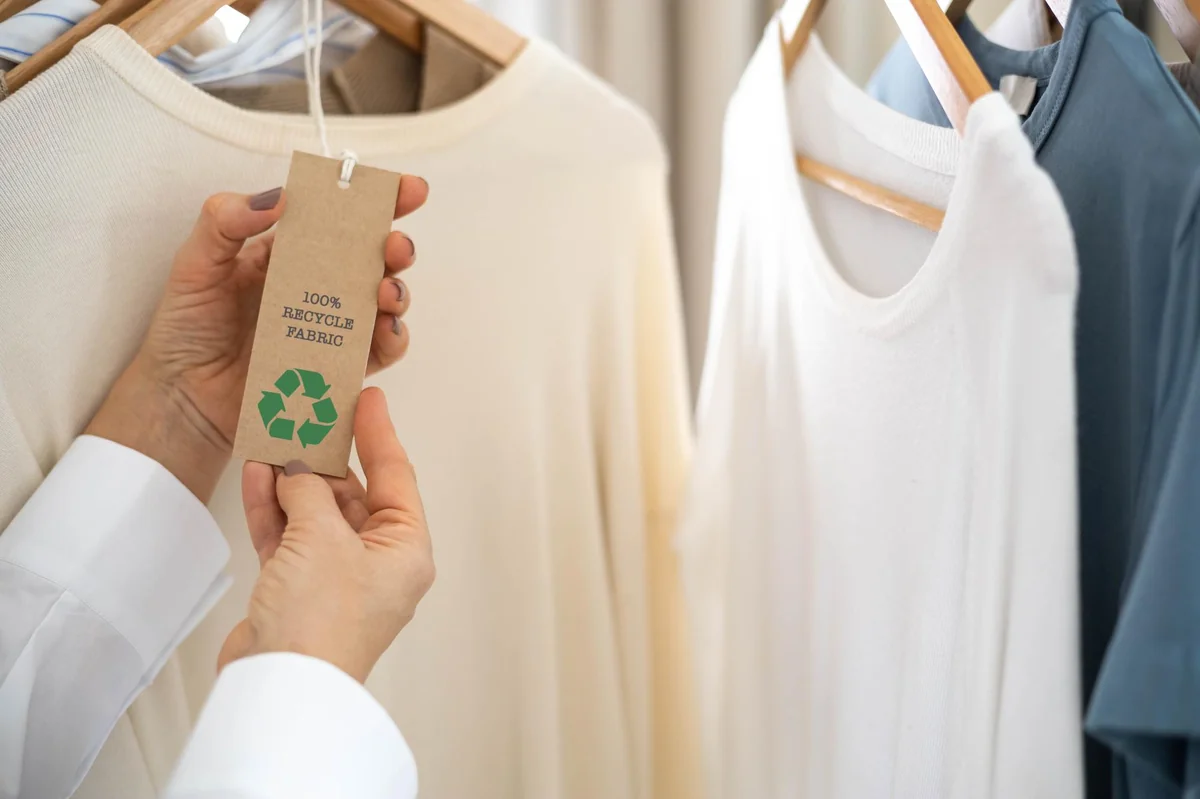
Among the biggest ideas in green fashion, we can count recycled fabrics as one of the most essential. But concerning things, whatever indeed are they, and why are they so significant? Simply put, recycled fabrics are materials that are repurposed from old garments, plastic bottles, or textile waste, instead of being thrown away. This process helps one to minimize the importation of raw materials, hence extending their user life, and it is kind of friendly to the environment as compared to many other methods.
Some of the many types of fabrics that are widely recycled include:
- Recycled Polyester: Obtained from products such as plastic bottles or garments, recycled polyester’s strength and versatility put it to use for jackets and sportswear.
- Recycled cotton: This material involves the usage of those fabrics which are made out of small pieces of the cotton fabric or other used clothes, it is as smooth as a normal cotton but friendly to the environment in the sense that it reduces the amount of waste from textile.
- Recycled Nylon: This fabric is manufactured from old fishing nets or other nylon waste, which are collected and used in making it. It is often of superior quality.
These fabrics can save resources and energy because the needed material is already available and in use, hence lessening the impact of fabric production on the environment of the clothes. Recycled fabrics show how fashion can still be fashionable up to date in clothes that do not harm the environment due to its availability of fashion resources.
How Recycled Fabrics Adapt to Every Season
Recycled fabrics can not only be utilized only for a particular season, but they are developed for all seasons in a year. Here is how these materials fare in warm and cold weather to debunk that sustainability is only for warm sunny days and not for cold winter.
Spring and Summer
The situation that requires special attention is conducive to wearing light and airy clothes when the climate becomes warm. Recycled clothing materials such as recycled cotton or clothing items made of blends, including hemp, are ideal for the spring and summer seasons. These materials do not confine the skin and body, and they soak up moisture; thus, they embrace comfort in the extremely hot months. And since they include recycled materials, the ‘batch’ used in these bags does not have to come from fresh cotton or new fibers that are particularly heavy users of water and pesticides.
Many fashion houses use recycled fabrics in their spring/summer collections to make light apparel such as T-shirts, dresses, and shorts. These items are comfortable, fashionable, and commercially beneficial in terms of environmental conservation.
Fall and Winter
Recycled fabric can as well still help to warm you up even at cold periods of the year. It is a common practice to use recycled wool and polyester fabrics for winter wear to insulate the body. These materials help to capture heat around the growing body, and one could stay warm despite icy and chilly conditions.
Hence, recycled wool is used in coats, scarves, and sweaters, which give equal warmth as regular wool and are comfortable to wear. Recycled polyester is also used in the production of outerwear because it is water resistant and durable, and ensures warmth when the weather is cold.
Selecting garments manufactured from these recycled products ensures that you can remain warm during the cold weather without vice accustoming the environment with unwanted products.

The Benefits of Recycled Fabrics
This paper aims to evaluate the stastics of using recycled fabrics to determine some advantages of using it not only to the environment, economy and society. Okay, let me explain to you the advantages in detail.
Environmental Benefits
The greatest benefit of recycled fabrics is that they are eco-friendly with a lesser adverse effect on the environment. Through recycling, the requirement for new materials is greatly lowered, and thus, less water, energy, and raw fibers will be used. For instance, recycled polyester is synthesized more efficiently than new polyester material synthesized from raw materials. This, in a way, reduces the amount of carbon that clothing production emits into the environment.
Moreover, recycling textiles also means that textile wastes are not likely to end up in the landfills. Tons of clothes are being disposed every year and about half of it is made from non biodegradable materials. It is for this reason that it is possible to opt for recycled fabrics to minimizing this colossal waste.
Economic and Ethical Benefits
Sustainable fashion also tends to respect workers’ rights to decent wages. Companies that are sensitive to the aspect of sustainability normally make their clothes under decent working conditions, for example, paying their workers a minimum wage for the work they do. Thus, buying products from companies that use recycled materials benefits from the fact that it pushes the companies to use more such materials, contributing to the improvement of the situation with the use of dumped products in the industry.
How Ty-Fashion Incorporates Recycled Fabric as a Year-round Collection
At Ty-Fashion, sustainability is at the heart of everything we do. We proudly incorporate recycled fabrics into our collections, ensuring that our clothing is both stylish and eco-friendly. Whether it’s a summer dress made from recycled cotton or a winter coat made from recycled wool, Ty-Fashion is committed to offering sustainable options for every season.
Our fabric collection is aimed at being flexible in that we recycle old pieces of fabric. From light, breathable fabrics for the warmer months to insulated, cozy options for the colder months, we’ve got you covered all year long. When you are deciding to wear Ty-Fashion, you are not only deciding on an exclusive, fashionable style and uniqueness, but also thinking about a contribution to environmental protection.
We also ensure that our manufacturing is conducted fairly, so that when you purchase clothing items from us, you can be absolutely sure that it was produced with regard for people and the environment. This shows that sustainability is possible when it comes to fashion and meets the aspects of fashion, conscience, and fashion for the environment.
Conclusion
The new age in fashion is not a trend but a way forward for the fashion business. For one, recycled garments permit the generation of appealing as well as useful fashion apparel products with little impacts on the environment. We can wear them throughout the year whenever the mood to be fashionable arises, while creating consciousness in people about reducing fashion waste and emission of carbondi-oxide worth from the seams of new clothes.
At Ty-Fashion, we believe in embracing recycled fabrics year-round, offering sustainable fashion options for every season. So, the next time you’re updating your wardrobe, think about choosing clothing that not only looks good but also does good for the planet.
FAQs
1. What is sustainable fashion?
Sustainable fashion means specially designing clothes by following or adhering to environmental conservation, using good environmental fabric materials, doing away with wastage during manufacturing, and following proper ethical guidelines of production.
2. How are recycled fabrics made?
Recyclable fabrics, which are widely used, are created from recycled materials like used clothes, plastic bottles, or textile waste. After these materials have been cleaned and processed, new cloth of high quality is made.
3. Can recycled fabrics be used in all seasons?
Yes! Fabrics, such as cotton for use in the summer season and recycled wool for use in the winter months, are meant to be used in different weather conditions, which can be both hot and cold.
4. Why should I choose clothing made from recycled fabrics?
Using recycled fabrics enables the conservation of scarce natural resources, minimizes waste products and emission of green gases thus making recycled fabrics the environmentally friendly fabrics to be used in clothing.
5. How does Ty-Fashion use recycled fabrics?
Ty-Fashion uses recycled fabrics in both the spring/summer and fall/winter Collections, which makes the clothing trendsetting, eco-friendly, and versatile for the climate.