Introduction
In recent years, Norway has emerged as a pioneering force in the realm of sustainable fashion. Amidst growing concerns over the environmental impact of the fashion industry, Norwegian designers and consumers are increasingly turning to recycled dresses as a stylish and eco-friendly solution. This shift towards sustainability is not only reshaping Norway’s fashion landscape but also setting a precedent for the global industry.

What Are Recycled Dresses?
Recycled dresses are garments crafted from repurposed materials, often derived from post-consumer waste, discarded textiles, and even plastic bottles. These materials are processed and transformed into new fabrics, which are then used to create fresh, fashionable designs. The goal is to minimize waste and reduce the environmental footprint of clothing production.
Common materials used in recycled dresses include recycled polyester, which is often made from PET plastic bottles, and upcycled fabrics, sourced from surplus clothing or textile scraps. By utilizing these materials, designers are able to create unique pieces that not only look good but also contribute to a more sustainable fashion ecosystem.
Why Norway?
Norway’s commitment to environmental sustainability is deeply ingrained in its culture and policies. The country’s stringent environmental regulations and proactive stance on climate change have fostered an environment where sustainable practices are highly valued. This cultural ethos extends to the fashion industry, where both consumers and designers are motivated to seek out eco-friendly alternatives.
Norway’s government has also played a crucial role in supporting sustainable fashion initiatives. Through grants, subsidies, and policy frameworks aimed at reducing waste and promoting recycling, the government has created a conducive atmosphere for the growth of recycled fashion. This support has enabled designers to innovate and experiment with recycled materials, leading to the rise of recycled dresses as a significant trend in the Norwegian fashion scene.
Leading Designers and Brands
Several Norwegian designers and brands have become leaders in the recycled fashion movement, creating stunning and sustainable dresses that captivate consumers. Among these, a few names stand out for their innovative approaches and dedication to sustainability.
- Ty Fashion: Known for their elegant and contemporary designs, Ty Fashion has made significant strides in incorporating recycled materials into their collections. Their sleeves recycled jacquard rib dress is a perfect example of how recycled fabrics can be used to create chic and sophisticated attire.
- Mardou & Dean: This brand is celebrated for its edgy and avant-garde styles, often featuring recycled denim and other upcycled materials. Mardou & Dean’s commitment to sustainability is evident in their meticulous sourcing and creative reuse of textiles.
- iiS Woodling: Focused on creating timeless and high-quality pieces, iiS Woodling uses recycled wool and other eco-friendly materials to craft dresses that are both stylish and sustainable. Their designs emphasize durability and classic aesthetics, ensuring that each piece remains a wardrobe staple for years.

Case Studies: Success Stories
Ty Fashion’s Sleeves Recycled Jacquard Rib Dress
Ty Fashion’s sleeves recycled jacquard rib dress stands as a testament to the potential of recycled materials in high fashion. Made from a blend of recycled polyester and jacquard rib, this dress exemplifies how innovative design can meet sustainability. The dress has garnered widespread acclaim, not only for its style but also for its environmental impact, proving that recycled fashion can compete with traditional high-end clothing.
Mardou & Dean’s Recycled Denim Collection
Mardou & Dean have made headlines with their recycled denim collection, which repurposes old jeans into contemporary fashion pieces. By meticulously deconstructing and redesigning used denim, they have created a line of dresses that are both unique and environmentally friendly. This collection has resonated with consumers who are eager to embrace sustainable fashion without sacrificing style.
iiS Woodling’s Recycled Wool Dresses
iiS Woodling has successfully integrated recycled wool into their dress designs, offering consumers high-quality, eco-friendly options. Their dresses are not only beautiful but also durable, showcasing the brand’s commitment to sustainability. By focusing on long-lasting materials and timeless designs, iiS Woodling ensures that their dresses have a minimal environmental footprint over their lifecycle.
Consumer Response
Norwegian consumers have shown a remarkable willingness to embrace recycled fashion. As awareness of environmental issues grows, more individuals are seeking out sustainable clothing options. This shift in consumer behavior is driven by a combination of environmental consciousness and a desire for unique, high-quality garments.
Surveys indicate that a significant percentage of Norwegian shoppers prioritize sustainability when making fashion purchases. This trend is particularly strong among younger consumers, who are more likely to support brands that align with their values. As a result, recycled dresses have become a popular choice, influencing broader buying behaviors and encouraging more brands to adopt sustainable practices.

Challenges in Production
Despite the growing popularity of recycled dresses, the production process is not without its challenges. Sourcing high-quality recycled materials can be difficult, as it requires a consistent supply of waste products that meet specific standards. Additionally, the process of transforming these materials into usable fabrics can be resource-intensive and technically complex.
One major challenge is maintaining the quality and durability of recycled fabrics. While technologies have improved, ensuring that recycled materials match the performance of virgin materials remains a key focus. Innovations such as chemical recycling, which can break down textiles into their raw components for reuse, are being explored to address these issues.
Another challenge lies in changing consumer perceptions. While there is a growing acceptance of recycled fashion, some consumers still associate recycled materials with lower quality. Overcoming these perceptions requires ongoing education and marketing efforts to highlight the benefits and potential of recycled fashion. Brands must emphasize that recycled dresses can be just as fashionable, durable, and desirable as their non-recycled counterparts.
The Role of Consumer Education
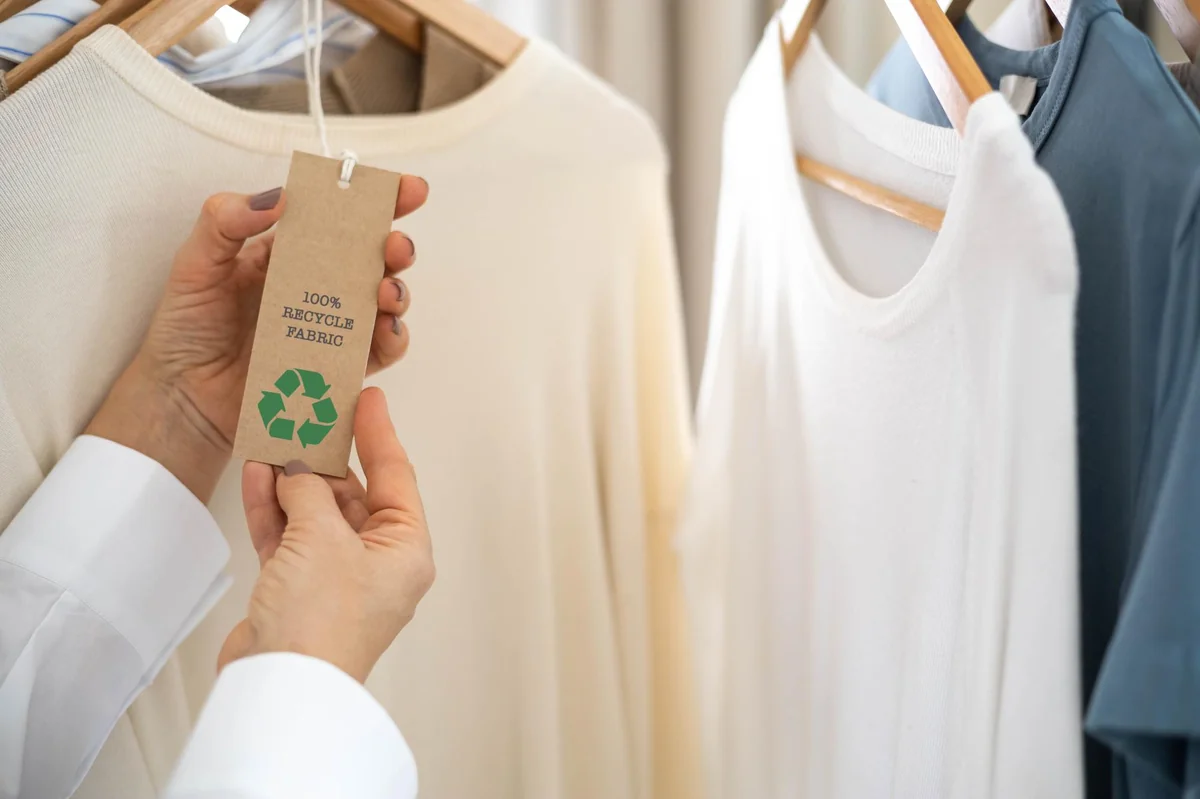
Consumer education is pivotal in driving the acceptance and popularity of recycled fashion. Informing the public about the environmental impact of traditional fashion and the benefits of choosing recycled options can foster a more conscious consumer base. Initiatives such as transparent labeling, sustainability certifications, and informative marketing campaigns can play a significant role in this education process.
Norwegian schools and universities are also incorporating sustainability into their curricula, ensuring that future generations are well-versed in the importance of eco-friendly practices. By fostering a culture of sustainability from a young age, Norway is paving the way for continued growth in the recycled fashion market.
The Role of International Suppliers
International suppliers, such as Ty Fashion from China, play a crucial role in supporting Norway’s recycled fashion movement. As a manufacturer and supplier of sustainable and eco-friendly dresses, Ty Fashion provides high-quality recycled fabrics and ready-made garments to Norwegian retailers. By sourcing materials from established international suppliers, Norwegian brands can ensure a steady supply of high-quality recycled fabrics, enabling them to meet consumer demand and expand their sustainable offerings.

The Future of Recycled Fashion in Norway
Looking ahead, the future of recycled fashion in Norway appears promising. Technological advancements in recycling processes and material science are likely to further enhance the quality and variety of recycled fabrics available to designers. Innovations such as chemical recycling, which breaks down textiles into their basic components for reuse, hold significant potential for the industry.
Moreover, as global awareness of environmental issues continues to rise, Norway’s leadership in sustainable fashion could influence other countries to adopt similar practices. By setting a strong example, Norwegian designers and brands have the opportunity to drive a global shift towards more sustainable fashion.
International collaborations could also play a crucial role in the future of recycled fashion. Partnerships between Norwegian brands and international designers, textile manufacturers, and sustainability organizations can facilitate the exchange of ideas and technologies, fostering innovation and expanding the reach of recycled fashion. These collaborations can help standardize sustainable practices and promote a more unified approach to addressing environmental challenges within the fashion industry.
Conclusion
In conclusion, the rise of recycled dresses in Norway’s fashion scene is a reflection of the country’s commitment to sustainability and innovation. Through the efforts of pioneering designers, supportive policies, and a receptive consumer base, recycled fashion has become a thriving and influential trend. As the industry continues to evolve, Norway’s experience offers valuable insights and inspiration for the future of sustainable fashion worldwide.
Norway’s dedication to environmental stewardship, coupled with the creativity and resourcefulness of its fashion industry, demonstrates that style and sustainability can coexist harmoniously. By embracing recycled dresses, Norway is not only transforming its own fashion landscape but also contributing to a global movement towards a more sustainable and responsible fashion industry. The future of fashion is being rewoven, one recycled thread at a time.
Are you ready to make a sustainable fashion statement?
Discover the elegance and eco-conscious design of our Sleeves Recycled Jacquard Rib Dress at TY Fashion. Crafted with care from recycled materials, this dress is perfect for the modern, environmentally-conscious individual.
Have questions or need more information? We’re here to help! Contact us today to learn more about our sustainable collections, or to place your order. Join us in making a positive impact on the fashion industry and the planet.
Together, let’s embrace a greener future in fashion.