The fashion industry is changing rapidly. In this era, humans are becoming more curious to know where their clothing is made, who makes them, and where it ends up when we are done with it. This curiosity birthed Circular Fashion — a fashion creation and production method that ensures the preservation of the planet rather than destroying it.
Closed-loop fashion cannot be made possible alone by brands. They cannot manage to do so without support from the most critical participants: manufacturers. Here is where all critical movements begin. Join us as we take you through manufacturers and brands collaboratively crafting a more circularly-mindful and sustainable fashion future.

What Is Circular Fashion and Why Does It Matter?
What is Circular Fashion? Simply put, it is creating longer-lasting fashion that can be reused or reused/recycled and makes minimal waste. Rather than create fashion that is worn a few times then discarded, circular fashion is keeping materials in utilization for as long as possible.
Every year, fashion adds billions of pounds of rubbish to Earth’s ecosystems. Clothes are dumped in landfills or burnt up, disrupting ecosystems. The solution is with circular fashion. If we can rethink clothing design as well as clothing’s eventual end of life after wear, we can create a cycle healthier for people as well as planet.
Fashion brands are increasingly challenged both by consumers and governments to be more responsible. More customers are opting for brands that are concerned with sustainability. Meanwhile, regulations in regions such as the European Union are encouraging greener production. This makes circular fashion both a good idea as well as a necessary concern for brands to take seriously.
But how can they do so?

Why Manufacturers Play a Key Role in Circular Fashion
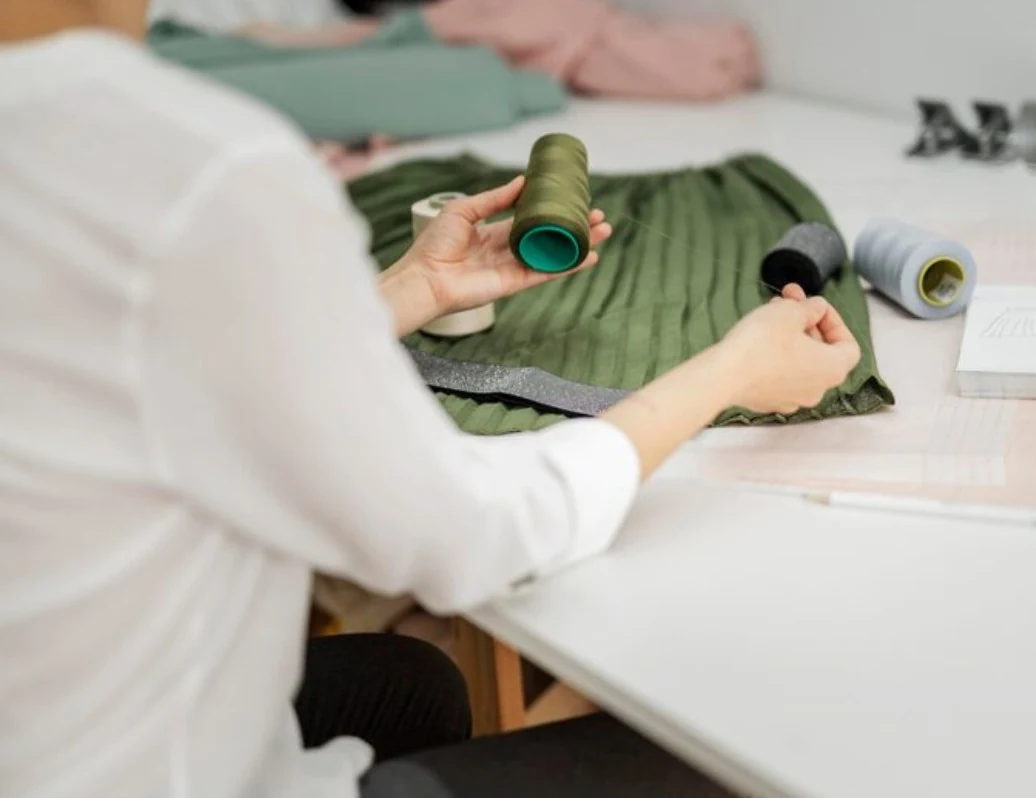
In order to bring concepts to life, brands require manufacturers who grasp and aid circular fashion. Manufacturers are indeed those who source fabrics, cut patterns, stitch clothes, and package merchandise. Manufacturers are a gigantic component of that fashion supply chain.
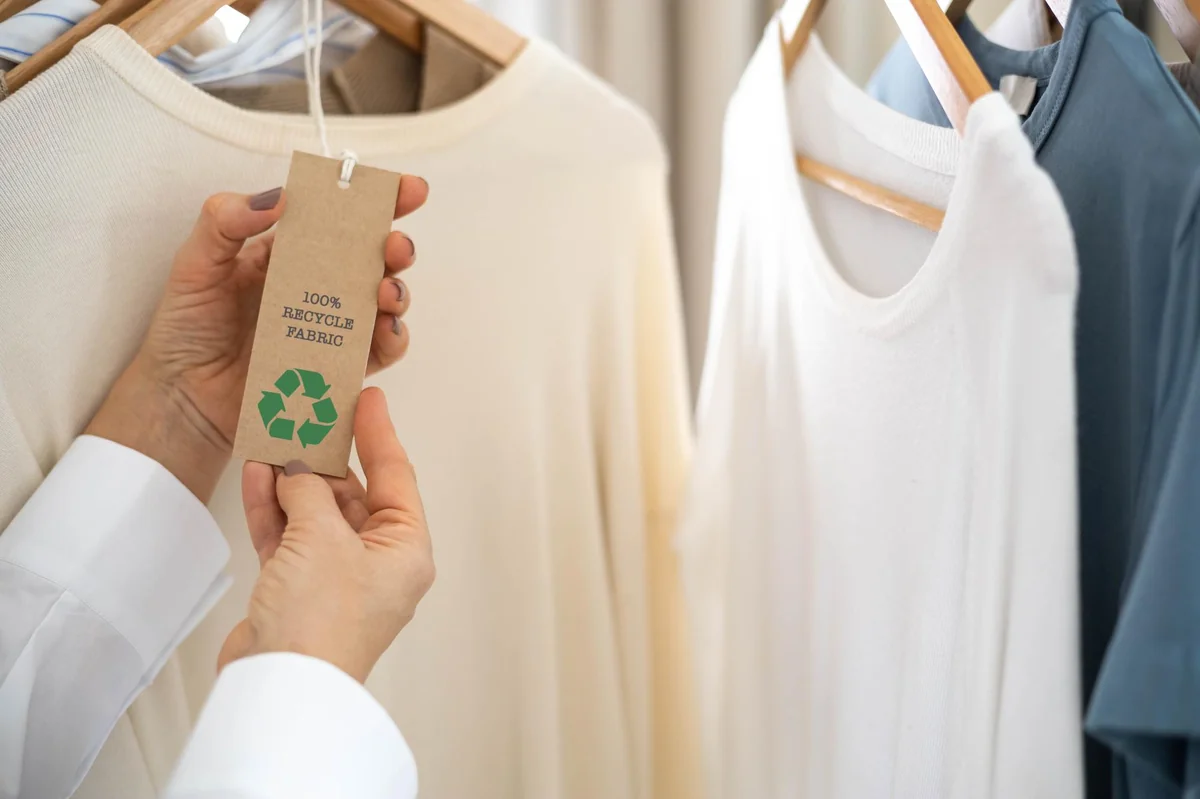
A producer who champions circular fashion is well-versed in collaborating with circular materials such as organic cotton, post-used polyester, or biodegradable materials. They also know how to minimize wastage during manufacturing as well as design products to be more recyclable or reusable in future times.
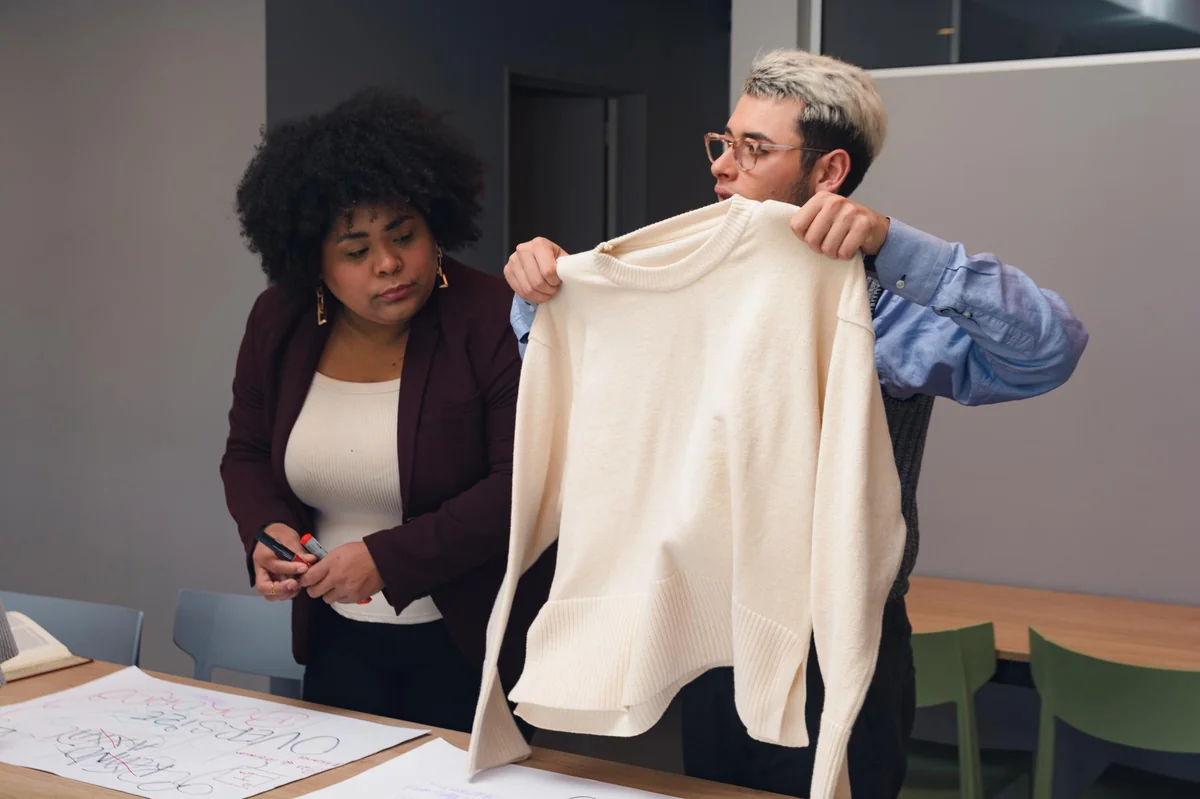
Let us consider a very basic example. Suppose that a brand is asked to design a jacket which can be disassembled when a consumer is finished with it and then can be recyclable. It requires special design as well as manufacturing techniques. The brand cannot attain that target without support from a qualified manufacturer.
What does it really imply with regard to this type of teamwork?

How Brands and Manufacturers Can Collaborate for Circular Fashion
It’s cooperation that’s needed. When brands and manufacturers cooperate in close collaboration, they can create smart solutions for circular fashion. They should communicate openly, coordinate with each other, and support each other’s initiatives.
This type of collaboration begins as early as possible within product design through to manufacturing phases.
Co-designing Sustainable Products
Co-design is one such step that is critical. It involves brands and manufacturers getting together to design with circularity in mind how a product is going to be created. They might decide to create a product with one kind of fiber so that it can be easier to recycle later. Or create zippers and buttonholes so that zippers can come off quickly and the fabric be remade into another product.
Building Transparent and Traceable Supply Chains
The other big part of circular fashion is where materials come from and where products go. Brands can help manufacturers build supply chains that are both transparent and trackable. This means tracking materials, disclosing certificates, and treating people who work on clothes well.
When suppliers in a supply chain are linked with one another, it gives reassurance as well as brand compliance with sustainability aims.
Sustainability Goal Alignment with Metrics
Thirdly, manufacturer and brand should be mutually aligned on what “success” looks like.” It can be reducing waste to a certain extent, increasing recycled content, reducing water usage while manufacturing, etc. Being on the same page on common goals ensures that both sides stay on course and monitor progress made.
In short, it typically entails adopting new technologies and tools.
What Technologies Are Powering Circular Fashion?
With growing circular fashion, technology is assisting brands and manufacturers to be speedier and wiser. With such tools, it becomes simpler to monitor materials, reduce wastage, and upcycle old garments to create new ones.
Recycling Processes and Closed Loops
Amongst the most thrilling of developments for circular fashion is that of technologies to recycle clothing so that it can be made into new cloth again. There are now brands that are partnering with technologies that can chemically or mechanically recycle clothing. This turns used clothing back into raw material.
These are closed-loop systems as materials are within a constant cycle — never going on landfills.
Digital Tracking and Product Passports
Companies can also employ digital means to follow clothing from source to store. For instance, a digital product passport contains such information as fabric composition, country of manufacturing, as well as end-of-life instructions on how to recycle it. This educates customers, brands, as well as recyclers on what is in clothing and what to do with it after purchase.
Smart Material Selection and Minimization of Waste Tools
Technology also minimizes wastage while cutting and sewing. Some factories employ computerized machines that can cut cloth more precisely. Others deploy AI that schedules cloth usage with virtually no scrap left over. Small improvements can create significant differences.
However, not all manufacturers are prepared for circular fashion.
Then again, how can brands make that selection?
What to Look for in a Circular Fashion Manufacturer
If you are serious about circular fashion, you are going to need a manufacturer that can be serious with you. But who is it that you can be serious with?
Experience with Recycled and Organic Materials
First, seek a manufacturer who already handles recycled or organic fabrics. Their properties are different from those of regular fabrics, so it makes a difference to have experience with them. The right manufacturer will understand how to deal with them effectively without losing resources.
Qualifications and Sustainability Credentials
Then verify certifications. They may be GOTS (Global Organic Textile Standard), OEKO-TEX, or GRS (Global Recycled Standard). It means that the manufacturer is employing safe and sustainable processes.
Having these credentials means you can trust the materials and the working conditions in the factory.
Innovation Willingness to Innovate and Co
Thirdly, successful manufacturers are always willing to learn. They never begrudge experiments with new design, new machine, or new procedure to help them advance along circular objectives. They view brands as partners rather than customers.
When you come across such a manufacturer, your possibility of creating a significant circular fashion collection increases exponentially.
Conclusion
Circular fashion is more than hype. It’s a genuine swelling movement within the fashion industry. But both brands and manufacturers are going to need to collaborate step for step along the way for it to be successful.
Through mindful selection of materials, smart technologies, and communal aims, they can produce clothing that is kinder to Earth. It’s not immediate, but with confidence and collaboration, it can be done.
At TY Fashion, we are ready to build long-term partnerships that deliver sustainability and creativity. If you are a fashion company with interest in circular fashion, we would be more than willing to talk. Join us in making better, together.
Contact us now to begin your journey of circular fashion.
FAQs
1. What is circular fashion?
Circular fashion is a type of fashion design that minimizes wastiness through reuse, recycle, or mend of materials.
2. Why is circular fashion critical?
It assists in preserving the environment as it prevents clothing from going to landfills while minimizing natural resources used.
3. How does circular fashion reduce waste?
It creates clothing to be worn longer, re-used, or re-cycled after wearing.
4. What is the manufacturers’ role within circular fashion?
They plan the contents, oversee manufacturing operations, and aid in design for recyclability/reuse.
5. Are second-hand clothes of good quality?
That is right. Recycled materials are as good as fresh materials with proper technology.
6. What are materials used in the circular economy?
Recycled polyester, organic cotton, and biodegradable yarns are preferred choices.
7. How can brands collaborate with manufacturers?
Through exchanging concepts, selecting improved materials, and agreeing on mutual sustainability aims.
8. Define a closed-loop system?
That is, materials are reused over and over with little or no wastage.
9. Are circular clothes more expensive?
Not always. Over time, they can save money by lasting longer.
10. What can TY Fashion do for circular fashion?
Sustainable materials, creative processes, and robust partnerships for circular design are what we deliver.