Fashion is not just a question of style or comfort anymore. Humans everywhere are now posing new questions regarding their apparel, questions like, Where were they produced? What was used to construct them? What is their climate footprint? These questions are constructing a new future for the fashion business. Climate-conscious fashion decision-making is now influencing not only what people buy, but also the way in which retailers everywhere make, source, and sell their products.
This is not a trend. It is becoming a movement that will define the future of fashion. To help explain why, let us look at what climate-conscious fashion decisions actually are, how they impact consumer behavior, and why retailers cannot afford to overlook them.

What Climate Conscious Fashion Choices Really Mean
When people talk of climate-conscious fashion, they are talking of clothes that are designed, manufactured, and sold in relation to the environment. Every aspect of the life of a garment impacts, from the cultivation of cotton or the production of polyester, to the coloring of the material, to the shipping of finished products all around the world. To be climate conscious is to reduce these impacts.
For example, organic cotton instead of normal cotton can conserve water and reduce the use of pesticides. Recycled polyester instead of virgin polyester reduces the use of fossil fuels. Even the way fabric is dyed can have a significant impact because normal dyeing uses a lot of water and harmful chemicals. Cleaner dyeing companies reduce pollution and energy.
In simple words, climate-sensitive fashion consumption means buying and producing clothes in a way that causes less harm to the planet without having to sacrifice demand.
The Environmental Benefits of Climate-Conscious Fashion Decisions
The benefits are self-evident. To begin with, they avoid wastefulness. When factories use recycled fibers or manufacture more durable clothing, there is less material going into landfills. Next, they avoid wasting resources. Less water, less energy, and fewer chemicals mean fewer damages to the planet. Finally, they curtail climate change. Fashion is among the largest contributors to carbon emissions, yet using renewable energy in factories or shortening transport distances can reduce it.
So why should it matter to retailers? Because for the first time, consumers are beginning to realize these advantages and make purchases based on them. That change leads us to the next question.
How Climate Conscious Fashion Choices Shape Consumer Behavior
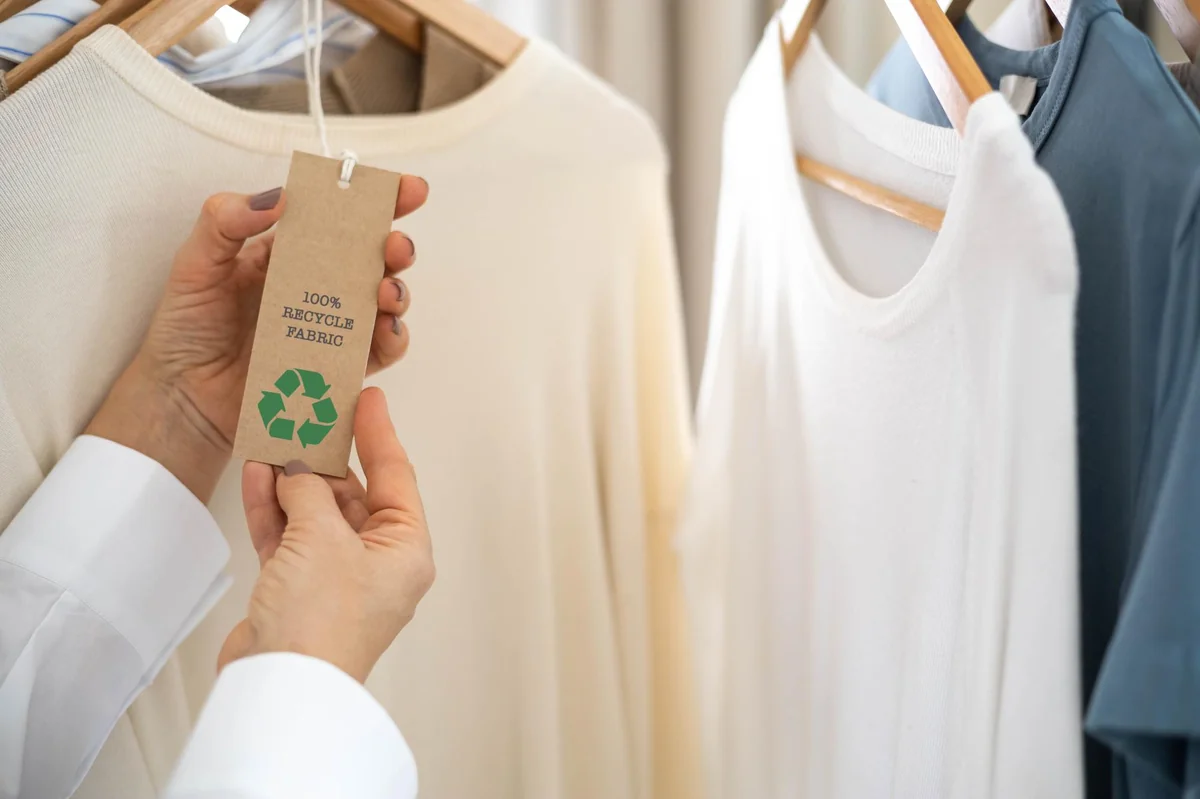
Have you noticed how consumers today look at the label on their garments before they buy? That single move is just a minor element of a deeper shift in consumerism. Consumers, especially young consumers, want fashion to be aligned with their values. They want affordability and fashion, but they want to be sure that their purchase isn’t destroying the world.
This growing demand is changing the manner in which retailers are doing business. Websites and stores are adding sustainable lines, emphasizing green materials, and offering more about supply chains. In the majority of cases, brands that make sustainability a priority create stronger bonds with customers.
Why Consumers Choose Sustainable Apparel
There are a number of them. One of them is trust. If a business is transparent about its materials and production, its customers feel comfortable purchasing from it. Another one is durability. Most customers have learned that fast fashion has low-quality items that will not last. Sustainable fashion is considered a better option because they are created to last longer.
Lastly, there is the social aspect. Sustainable fashion is now a means of self-expression. Just like fashion has always been a means of self-expression, green fashion now enables one to express that one is concerned about the planet.
But if the customers are demanding change, then how do the stores react to remain ahead of the customers?

The Impact of Climate Conscious Fashion Choices on Retail Strategy
They are being compelled to fulfill a new requirement from across the globe. Consumers are on one side asking for sustainable options. Government agencies are on the other side, implementing new policies for the production and disposal of apparel. For retailers, sustainable fashion options are not so much an image issue; they are a survival issue.
These challenges do materialize. Sustainable products are more costly. The supply chains can be complicated, and it is hard to monitor every production stage. Labeling and reporting requirements are tightening. But these challenges also present opportunities. Fast-acting retailers can differentiate, create customer loyalty, and even reduce costs by being more resource-efficient.
Converting Challenges into Retail Expansion Opportunities
Those retailers who adopt sustainability typically find unforeseen advantages. Better stock planning, for instance, saves them money and eliminates waste. Greater quality sales can at first imply lower sales quantities, but they generate more loyal clients in the long term. Repair or recycling programs not only eliminate waste, but they also have customers return to the store.
Briefly, the very problems of fashion selection based on climatically aware factors can themselves be drivers of innovation and progress. But retailers must have help with these problems from their strong partners in their supply chains.
How Retailers Benefit from Partnering with Eco-Friendly Manufacturers
Behind every product on every shelf is a manufacturer. Retailers are indebted to manufacturers for offering the fabric, design, and production capacity that they need. When manufacturers become green, retailers benefit directly.
Green producers like to use certified materials such as organic cotton or recycled polyester. Cleaner production processes for dyeing, renewable energy, and proper wastewater treatment are used by them as well. They also provide documentation to support claims of sustainability, which is important since legislation becomes stricter.
Building Retail Success Out of Sustainable Partnerships
A reliable, sustainable producer doesn’t just provide clothing. They are a partner in building a stronger retail brand. They can provide green benefit insights, help design collections for recyclability, and even help in marketing by spreading their sustainability message.
This is where green fashion decisions are not only a trend with consumers. They are a means by which retailers can gain credibility and differentiate themselves in a busy marketplace. With the right partners, retailers can please consumers, comply with regulations, and expand their businesses simultaneously.
Where is the journey going? What should we expect from retailers over the next few years as climate-aware fashion choices increasingly propel the industry?
The Future of Climate Smart Fashion Decisions in International Retail
The direction of fashion is being dictated now, and it is sustainability. Governments all over the world are establishing new regulations. The European Union, for example, is implementing digital product passports that will require detailed information about every product sold. Other countries are establishing recycling and waste reduction policies. Retailers will have to prove that their products are compliant with the requirements.
Meanwhile, new business models are being developed. Resale, rental, and repair are becoming mainstream. Brands are increasingly testing take-back programs and getting customers to return old clothes to be recycled. Technology is also getting into the act. Artificial intelligence is assisting retailers to better predict demand, prevent overproduction, and minimize waste.
What This Means for Retailers Going Forward
All of which signals one thing: climate-conscious fashion is no longer a nicety. It is fast becoming the foundation of global commerce. Retailers who act now won’t just stay ahead of the law, but will also get ahead. They will have more authentic relationships with customers, less risk, and find new ways to grow. Those who wait will be left behind.
The question is not if retailers are going to become sustainable. The question is how fast they can do it and with whom they will do it.

Conclusion
Climate-conscious fashion choices are reshaping the industry from every direction. They determine what consumers expect, what legislators regulate, and how retailers respond. At the same time, they offer new means of growing, simplifying, and increasing brand loyalty.
It is clear what the future holds for retailers. Collaboration with green manufacturers enables it to respond to customer demand, comply with regulations, and establish a brand that will be distinctly competitive in the global marketplace.
If you’re a retailer who’s ready to make the next step in sustainable fashion, now is the moment. Contact us at TY Fashion to learn how our sustainable fashion manufacturing solutions allow you to create products that reflect today’s demand for sustainability while future-proofing your business for tomorrow. Let us create the future of fashion together.
FAQs
What are climate-conscious fashion decisions?
They are fashion choices that reduce harm to the environment, i.e., buying organic products, using recyclable fibers, or businesses that follow clean production.
Why are sustainable fashion choices so crucial to retailing?
They determine what customers purchase and compel stores to be green, from the factory to the package.
How are they used by retailers?
Store owners win customers’ trust, remain aware of the latest laws, and differentiate themselves by selling eco-friendly products.
What is the role of manufacturers?
Green producers market green products, encourage cleaner production, and provide information for retailers to be relayed to consumers.