Tens of millions of tons of clothing end up in landfills annually. Some you’ve worn only once, with labels still on them. Most end up in landfills, where it takes centuries to break down. With the expansion of the fashion market comes the expansion of wastage. There is a better way to produce, create, and wear clothes, however: it’s known as Circular Fashion, and it’s revolutionizing fashion’s future.
Here, we discuss how circular fashion works, why it matters, and how it impacts brands, makers, and our world. If you’re a fashion company or brand looking to go sustainable, that’s where you begin.

What Is Circular Fashion and Why Is It Important?
To understand Circular Fashion, first of all, let’s discuss how mainstream fashion actually works. Most of our clothing today is made with a “take, make, dispose” method. Brands take, brands make, and after several months, they just end up disposing of products. This is called a linear fashion system. It’s simple, but it’s inefficient.
Circular fashion turns that model on its ear. Rather than clothes being sent to landfills, clothes are made to last as long as possible. Once they cannot be worn, they are recycled or composted. The paradigm is built upon three key ideas:
- Design out pollution and waste
- Store products and materials in use
- Restore natural systems
Circular fashion is important because it offers substantive solutions to growing textile waste problems. It reduces raw material consumption, carbon emissions, and environmentally damaging impacts. It is also a way for fashion brands to respond to growing demand for sustainable products and communicate with environmentally conscious consumers.
Well, how do you think circular fashion prevents clothing from going to landfills? Let’s go over that again.

How Circular Fashion Helps Keep Clothing Out of Landfills
Few of us know just how many of these discarded garments end up in landfills. According to the Ellen MacArthur Foundation, every two minutes, a truckload of textiles is incinerated or buried in a landfill. And to think that more than 90 percent of these garments can be reused or recycled.
Circular Fashion reduces such waste in a number of smart ways. It starts with fashion designs. Apparel lasts longer, made from better or biodegradable fabrics. Secondly, it accommodates business models that ensure a piece of clothing lasts for longer, like the resale of used clothes, rental companies, and repair companies. Thirdly, it incorporates take-back systems that bring old clothes to be recycled into something new.
But why do we end up with so many clothes going to landfills in the first place?
The Problem with Clothing Waste
This is one of the major reasons why clothing ends up in landfills. Discount clothing is made quickly, worn once or twice, and tossed away. Most of these garments are made of synthetic textiles like polyester, and it takes over 200 years for these types of fabrics to fully deteriorate in a landfill.
Despite clothes being donated, far less than a percentage actually get resold. The rest get exported to other nations, burned, or discarded. Lacking many outlets to recycle, discarded clothes pile up quickly.
Practical Solutions from Circular Clothing
Circular fashion offers few but powerful solutions. Clothing brands can create attire that is easier to mend, reuse, or recycle. Brands can use organic cotton or recycled polyester fabrics. Some even offer “take-back” programs that involve clients sending old clothes to be repurposed into new ones.
Stores such as The North Face and Patagonia offer their repair programs to extend the wear of clothes. Some stores, such as H&M, offer collection boxes inside stores to gather used clothing. These initiatives demonstrate how circular fashion converts trash into treasure.
Now that we know how circular fashion functions, let’s discuss how it’s supported by manufacturers.

What Role Do Manufacturers Play in Circular Fashion?
While brands receive most of the attention, producers hold center stage in making Circular Fashion possible. From choosing fabrics to cutting and sewing, decisions made at the production stage can either sustain a garment or destroy it.
Producers must produce products of circular integrity. It ranges from choosing products that are environmentally friendly to minimizing production waste and providing visibility throughout their supply chain.
From Materials to Methods
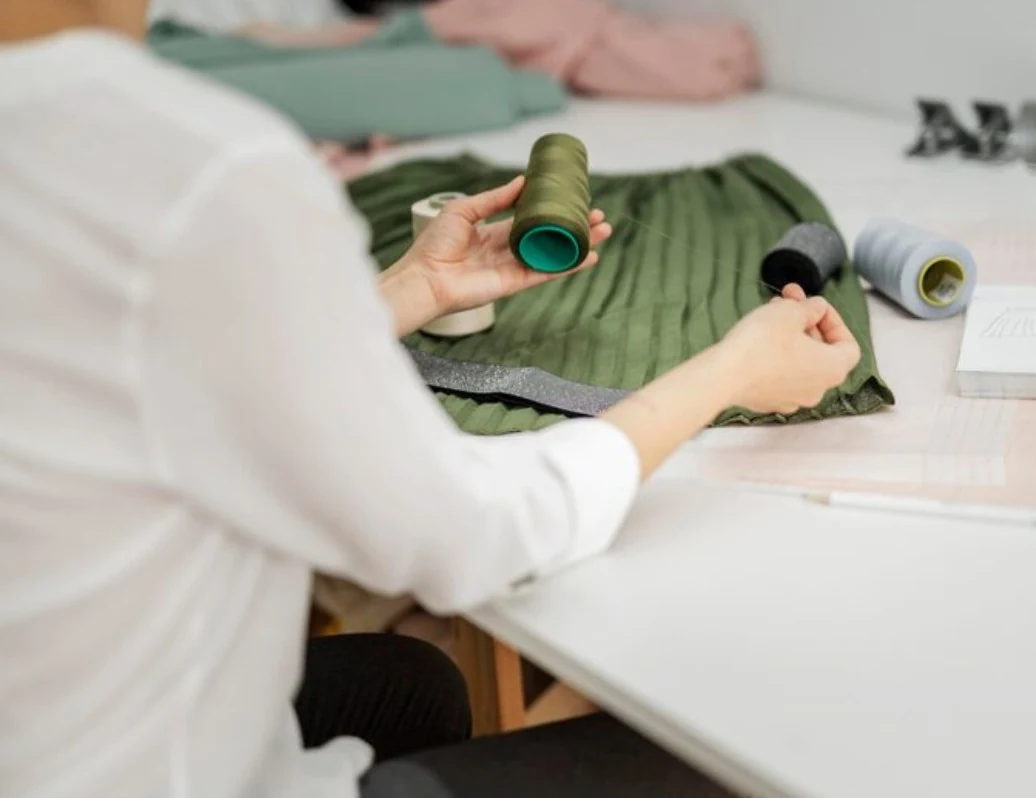
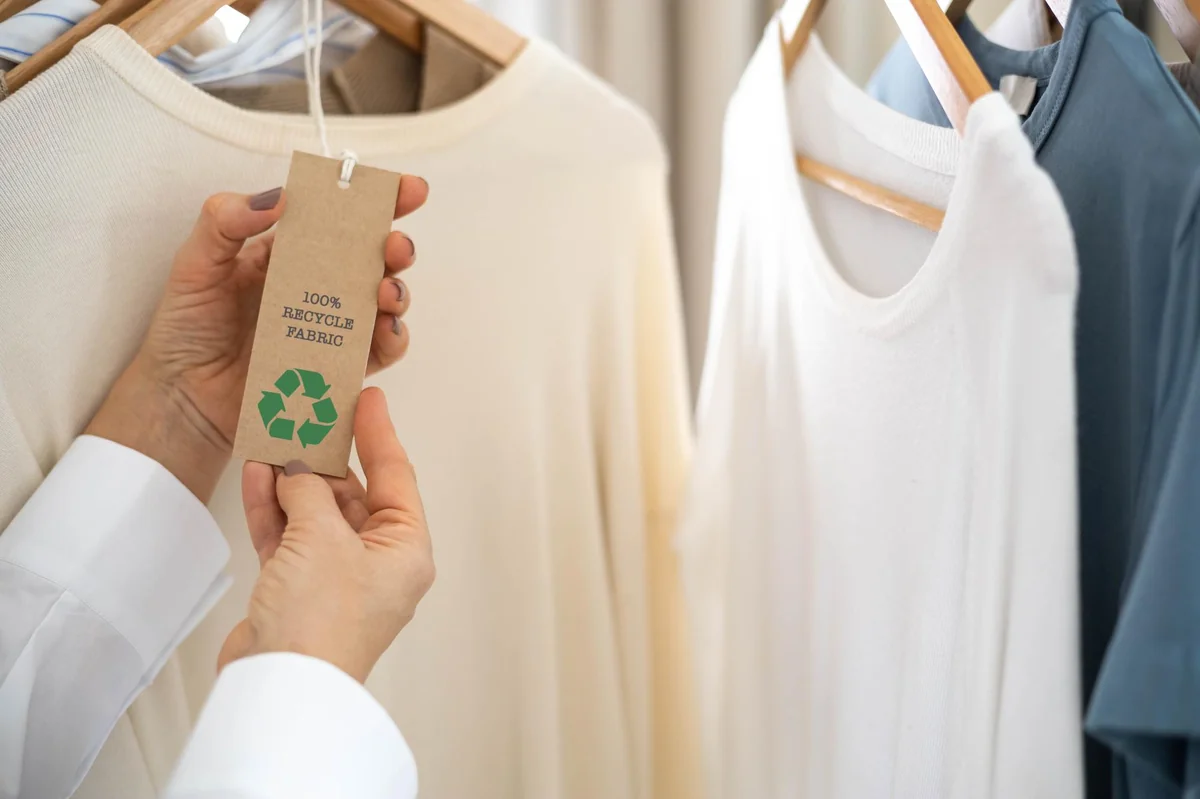
The path to circular fashion begins with fabric. TENCEL, organic cotton, hemp, and recycled polyester are fabrics that advance circular systems. It doesn’t end with fabric either–trim and labels come into play here, too. Zippers, buttons, and thread must also be biodegradable or recyclable.
Low-impact coloring processes and water-saving technologies minimize pollution. Clothing manufacturing processes like 3D knitting or laser cutting reduce fabric losses.
Producers can also monitor and reuse their own residues. Textile remnants can be reused or forwarded to recycling companies. Even abandoned materials can be upcycled into new products at other factories.
Certifications for Promoting Circular Fashion
Certifications can further be utilized to establish that a product or process is actually sustainable. Among the most renowned ones in circular fashion are:
- GRS (Global Recycled Standard) for recycled products
- GOTS (Global Organic Textile Standard) for natural fibers
- OEKO-TEX for safe chemicals and textiles
These certifications provide fashion companies with confidence that their products are of high environmental quality. For manufacturers, certification provides them with the opportunity to collaborate with the best environmentally-minded brands.
Then how can fashion businesses start to move towards circular fashion? And how do they decide with whom to start?
How Brands Need to Evolve towards Circular Apparel
Circular fashion doesn’t necessarily need to happen right away. It’s a succession of tiny, clever increments that add up to a massive effect over a period of time. Whether you’re a large, old-established company or a new start-up, it can all come down to relationships with the correct partners.
Circular fashion thrives when all of these various actors, like designers, sourcing, and producers, collaborate. Brands that can bring their suppliers into play at the early stage of designing can produce more sustainable offerings from the start.
Choosing the Right Partner for Manufacturing
Brands must find manufacturers that supply:
- A variety of sustainable fabrics and trim
- Experience with low-waste or closed-loop manufacturing techniques
- Transparency of sourcing and labour practices
- Versatility for accommodating products or low minimum orders that are new
Working with manufacturers that communicate circular can help save time, manage risk, and create products that actually stand out.
Among such partners is TY Fashion.
TY Fashion’s Commitment to Circular Fashion
Sustainability for TY Fashion is not a trend but tomorrow’s fashion. Being a green fashion manufacturing factory in China, we stand behind brands that strive to create positive change.
We supply diverse sustainable products, such as recycled ones and organics. Our manufacturing technique includes minimizing waste, employing energy-saving machines, and complying with international standards of preserving the environment.
Whether you’re introducing a new environmentally friendly line or introducing a green line to your line of products, we can assist you. We recognize the requirements of growing and small labels with low minimums and accommodating services.
Circular fashion is not just something we promote — it’s something we’re part of.
Conclusion
The fashion world has contributed to the problem for years, but with Circular Fashion, it can contribute to solving it as well. By creating clothing that lasts, keeping material in circulation, and sourcing from sustainable suppliers, brands can prevent clothes from ending up in landfills and create a better future for all of us.
If you’re eager to learn circular solutions for that next collection, let’s discuss. Here at TY Fashion, we do not simply produce attire — we collaborate with brands that made caring for the world part of their business plan. Contact us today and let’s build something impactful together.
FAQs
1. What is circular fashion in simple terms?
Circular fashion involves fashion designing and garment manufacturing such that it can be reused, restored, or recycled rather than being discarded.
2. How does circular fashion help the environment?
It minimizes waste, saves resources, and prevents shirts from ending up in landfills by taking better starting materials and designing more intelligently.
3. Is circular fashion equivalent to sustainable fashion?
They resemble each other, yet circular fashion revolves around keeping clothing in circulation for a maximum amount of time and creating closed-loop systems.
4. Do circular fashion methods suit every fashion brand?
Yes, every brand can embrace circular fashion practices, such as wearing recycled clothing or taking back programs.
5. What are circular products made of?
These popular fabrics consist of organic cotton, recycled polyester, hemp, and biodegradable fabrics.
6. What do most clothes end up in?
These clothes end up in landfills because they are made cheaply and not to last or to be recycled.
7. How can manufacturers support circular fashion?
Low-waste manufacturing processes, take-back or recycling of products, and green products can be implemented.
8. Are products of circular fashion certified?
Yes, such certificates as GRS, GOTS, and OEKO-TEX indicate that products conform to circular or sustainably made standards.
9. What are examples of circular fashion brands?
These brands, like Patagonia, The North Face, and Eileen Fisher, perform circular activities of repairing, resale, and recycling.
10. What is TY Fashion’s role in circular fashion?
TY Fashion provides circular products, reduced wastage, and adaptable support to brands looking to go circular.