Protecting the environment is not fashionable anymore — it is necessary. Fashion, which undergoes rapid changes and is mass-produced, has been directly associated with environmental degradation for a long time now. But times are evolving. Consumers, companies, and governments are all shifting towards a greener tomorrow.
Though we are used to thinking about fashion brands and retailers, the actual power to bring about change begins much further up the supply chain, with B2B fashion. They are the manufacturers, factories, and fabric suppliers that produce the garments we wear. What if it were they that saved our planet?
In this blog article, we’re going to look at how B2B fashion can be a force for good. From sustainable sourcing to waste reduction and water conservation, B2B businesses have many means of giving back to the planet. And as you’ll discover, innovative manufacturers like TY Fashion are already playing their part.
But first, what is B2B fashion, and why are we so critical in the battle for a cleaner world?

Why B2B Fashion Is the Solution to Environmental Conservation
B2B fashion is business-to-business fashion — companies that manufacture and sell clothing to other companies, e.g., retail companies. They do not sell clothing to customers. They cut, sew, produce, and distribute clothing for major fashion brands worldwide.
Therefore, why is that important for protecting the environment?
It’s simple: most fashion pollution and waste happen at the production stage. That is making the fabric, dyeing it, cutting out the designs, sewing the clothes, and sending them to brands. If the manufacturers switch, it can make a huge impact on the planet.
For example:
The fashion sector consumes over 79 billion cubic meters of water every year.
Factories release toxic chemicals during finishing and dyeing.
Overproduction creates massive amounts of textile waste.
Most factories continue to use fossil fuels for power.
Now imagine if all B2B companies were to cut down on water usage, eliminate wastage of energy, and use eco-friendly materials. The effect would filter across the industry. That is why B2B fashion is in an ideal position to lead the charge for the environment.
And so, therefore, what, in reality, can these businesses do to help?

How B2B Manufacturers Can Reduce Their Environmental Impact
Cutting environmental damage doesn’t necessarily mean costly overhauls. Simple measures that many companies are already taking can amount to huge gains, and clever makers are already on the case.
Let us talk about the major ways B2B fashion companies can support the protection of the environment.
Using Sustainable Materials for a Greener Future
Perhaps the most important change is a shift to better materials. Instead of unbleached cotton or virgin polyester, companies can employ:
- Organic cotton, which is less chemically- and water-intensive
- Revive polyester that transforms plastic waste into apparel.
- Bamboo or hemp, which are fast-growing and organic
They save resources and reduce pollution. They are also appealing to businesses and consumers who are environmentally friendly.
Smart Technology to Save Resources
New equipment and computerized tools can conserve energy, water, and materials. For instance:
- Low-impact dye machines use less water and chemicals
- 3D design software reduces the need for physical models
- Computer cutting machines generate less waste from excess fabric.
All these instruments assist in keeping the environment in check while optimizing efficiency.
Certifications That Demonstrate That You Care
Certifications like OEKO-TEX®, GRS, and ISO 14001 ensure that a business complies with global environmental protection standards. These are the favored certifications when deciding with whom to collaborate. These reflect responsibility and reliability.
So why do we have these tools available if no companies are using them yet?
Environmental Protection as a Competitive Advantage
In today’s fashion industry, being green is not only good for the environment — it’s good for business.
Customers and consumers expect more from the fashion industry. They want to know where and how they are making their clothes. If a factory can prove that they are concerned about the environment, it’s leading the pack.
That’s why it works:
- Establishes trust with global fashion brands
- Meets government and industry requirements
- Acquires more long-term customers
- Reduces wastage, thereby cutting costs
For most manufacturers, green is no longer an option — it’s the way to grow. That’s why more and more companies are looking for partners such as TY Fashion.
But what exactly is TY Fashion doing to support environmental protection?

What TY Fashion is Doing to Protect the Environment
TY Fashion, a factory based in China, is one of those that are concerned about the environment. They believe that quality clothes and sustainability can go together — and they’ve gone and done just that, too.
This is what differentiates them:
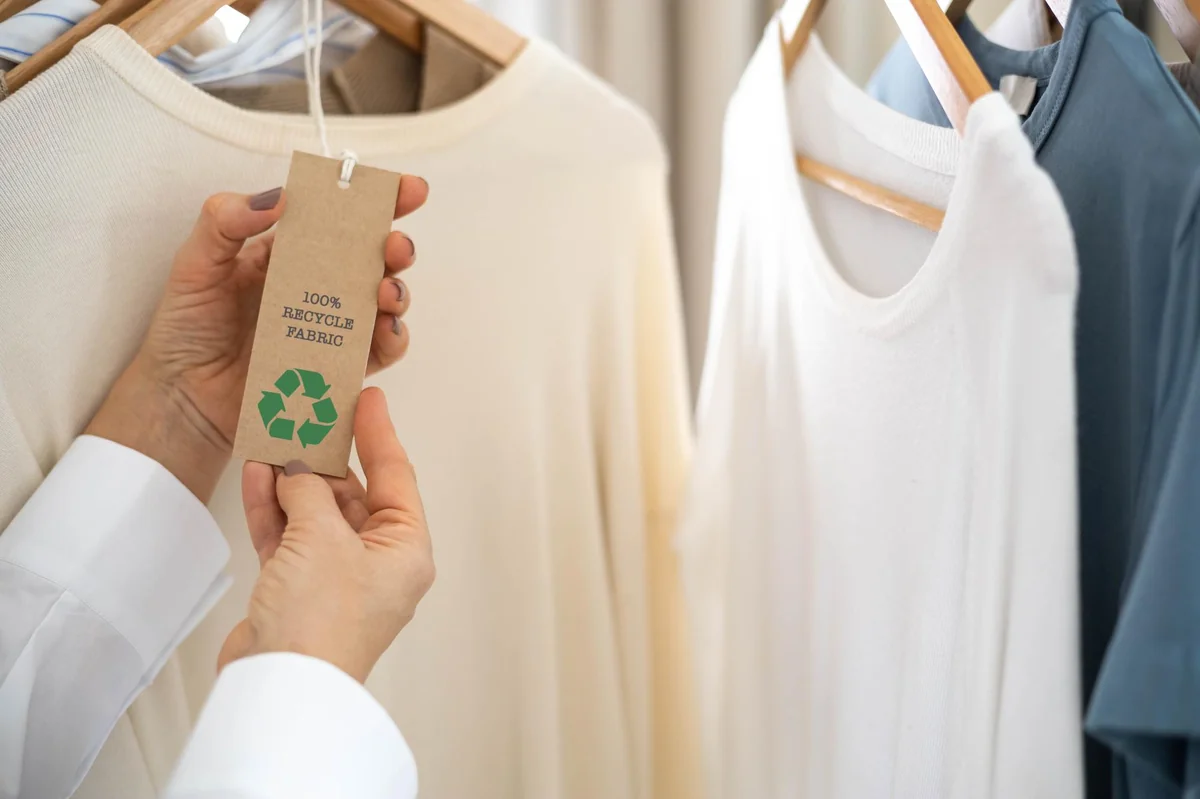
- Eco-Friendly Materials: They offer a range of materials, including organic cotton and recycled polyester.
- Responsible Production: TY Fashion uses low-water dyeing and energy-efficient processes.
- Certifications: The company is certified with GRS, OEKO-TEX®, BSCI, among others, which verify its commitment to green, safe, and ethical manufacturing.
- Low MOQ and Customization: They help avoid overproduction, thus reducing spoilage.
- Global Partnerships: TY Fashion partners with international brands that truly care about sustainability.
These measures make TY Fashion a reliable business partner for any company wishing to focus on environmental protection.
But even the best producers can’t do it without help. So, how can brands assist with this task?
Partnering for Change: What Brands Can Do
Environmental conservation is a collective effort. Manufacturers and brands must unite in an effort to make the world a greener place.
This is the way fashion businesses can transition:
- Demand transparency about production and sourcing processes
- Choose the manufacturers that practice green policies.
- Establish long-term connections, not just take one order.
- Invest in joint R&D to develop new green technology.
- Don’t order too much and have leftovers.
By investing in ethical mills such as TY Fashion, brands are stepping into being part of the solution. Together, they can produce fashion that’s not only fashionable but also sustainable.
So, are you ready to take part in the movement?
Conclusion
The fashion industry still has some distance to travel, but change is in motion. And it’s starting with B2B producers who are poised to take the lead.
From selecting cleaner materials to reducing waste and clean energy, firms such as TY Fashion are demonstrating that great fashion and environmental responsibility can go hand in hand.
If you’re a fashion company seeking a sustainable ally or a company willing to shrink its footprint, the moment to act is now. Join us and let’s save our world — stitch by stitch.
Seeking a manufacturing partner that cares deeply about the environment? Contact TY Fashion today and let’s create something sustainable, together.
FAQs
What does B2B fashion mean?
B2B fashion refers to a company that sells clothes or fabrics to companies, like brands or retailers, instead of to individuals.
Why do we need B2B fashion in environmental protection?
B2B fashion controls most of the production process, where there is waste and pollution. If these companies go green, it will do the fashion world a lot of good to become less harmful.
How do manufacturers contribute to environmental protection?
They can use eco-friendly materials, reduce water and energy consumption, reduce waste, and have green standards and certifications.
Which materials are more environmentally friendly?
Organic cotton, recycled polyester, bamboo, and hemp are all such eco-friendly materials that are in demand.
What is TY Fashion doing to become more sustainable?
TY Fashion uses environmentally friendly materials, reduces waste and water usage, and also possesses international certifications like GRS and OEKO-TEX®.
Do brands care about environmental protection when choosing suppliers?
Yes, the majority of fashion brands prefer increasingly producers who care about the environment and produce responsibly.
Are sustainable materials more costly?
Sometimes they are, but they also cut waste and create brand value, and that ends up saving money.
Can small producers still play a part?
Yes! Even minor adjustments, such as saving water or making more environmentally friendly purchases, help protect the environment.
What do I look for in a green maker?
Some of them are OEKO-TEX®, GRS (Global Recycled Standard), ISO 14001, and BSCI.
How do brands and manufacturers work together for a more environmentally friendly world?
They may share the same goals, have long-term relationships, and collaborate in the implementation of sustainable practices.