“Sustainable.” “Eco-friendly.” “Conscious.” Chances are, you’ve seen these words on packaging, websites, and social media. But, really, what do they mean? As consumers increasingly want to make more environmentally-friendly choices, brands are quick to indulge in green-sounding buzzwords. The problem is that not all of them are.Here, you’ll discover how to identify truly sustainable fashion, not advertising fluff. We’ll walk you through fashion sustainability, how to identify it, and why it matters. By the time you’re finished, you’ll know how to build a wardrobe that you’ll be happy with—and we’ll even give you a preview of how Ty Fashion comes into play.
What Is Sustainable Clothing, Really?
Now that we have the idea let us define what sustainable clothing is.
Sustainable fashion means that the products are created in a manner least harmful to the world that we inhabit and with fair labor. It’s about choosing better at each step of a product’s life cycle—right from the resources employed to the way in which it’s produced, packaged, shipped, consumed, and even disposed of.
Whereas mass fashion is manufactured cheaply and rapidly, usually at the expense of human life and the planet, sustainable fashion works differently. It is founded on long-term value, low-impact materials, and high-standards production methods.
Sustainability in fashion is not a trend—it’s a promise. And it starts with understanding the difference between what looks sustainable and what is.
Why Sustainable Fashion is Important
The clothes we wear do so much more than individuals even know. The fashion industry is one of the biggest polluters in the world, leading to water loss, toxic chemical runoff, and massive carbon emissions.
With every single article of fast fashion produced cheaply and worn briefly, the issue is being compounded.
Sustainable fashion is one of the easiest things you can do to minimize your own impact. In supporting companies that are concerned about their impact, you encourage the industry in a more environmentally friendly direction, improved working practices, and longer-lasting products.
Sustainable fashion isn’t about garments – it is about humans. The majority of fast fashion companies are based on cheap labor in dangerous factories. By choosing ethical, sustainable fashion, you are investing in improved treatment of employees worldwide.
Briefly put, what you choose to wear matters—not just for your style, but for the world’s future and the humans within it.
How to Identify Truly Sustainable Clothing
So, how do you know if a brand is actually sustainable or greenwashing its way to more sales?
Start by asking these crucial questions while shopping:
What are the materials?
Eco-friendly clothing frequently employs materials such as:
- Organic cotton (grown without toxic pesticides)
- Hemp and linen (require barely any chemicals or water)
- TENCEL™ / Lyocell (from wood pulp in eco-friendly processes)
- Recycled polyester (minimizes plastic waste)
- Deadstock fabric (recycled excess fabric from other companies)
Do not wear clothing made from virgin polyester, nylon, and acrylic blends that will not biodegrade and are energy-hungry to make.
Are there trusted certifications?
A genuinely sustainable brand will support assertions with certifications. Be on the lookout for:
- GOTS (Global Organic Textile Standard)
- Fair Trade Certified
- OEKO-TEX
- Bluesign
- B Corp Certification
These badges mean that the product is held to rigorous environmental and ethical standards. A business that takes pride in what it does will have this information displayed prominently.
Is the brand transparent?
Unless a company is going to inform you where its clothing is produced, how its workers are treated, or what materials it utilizes, that’s a red flag. Real, sustainable fashion companies are open about their supply chain and sustainability practices.
If in doubt, research the company. Search for their sustainability reports, read customer reviews, and see if their practice matches their words.

Benefits of Wearing Eco-Friendly Clothing
Going green with fashion is more than a flash in the pan—there are tangible benefits.
It is good for the planet.
Green fashion minimizes pollution, saves water, and decreases the use of harmful chemicals. Wearing apparel made of environmentally friendly fabric and eco-friendly processes is assisting in keeping the Earth safe.
It’s better for you
Sustainable materials are healthier and more breathable compared to man-made materials. Organic cotton and linen do not have toxic dyes and chemicals; thus, they are softer on your skin.
It lasts longer
Because sustainable fashion is about quality rather than quantity, everything is made to last. You’ll be doing less new buying and more wearing of what you already have.
Sustainability isn’t about giving up style or comfort—it’s just about making more informed decisions about what you buy and how long you get to keep it.
5 Simple Solutions to Start Your Sustainable Wardrobe
You can make a sustainable closet, but it might be overwhelming to start from scratch. Below are a few easy steps to start with:
1. Prioritize quality over quantity
Consider each purchase. Ask yourself: Will I wear this more than 30 times? If not, it’s probably not worth buying. Look for pieces that are versatile and can be mixed and matched throughout many outfits and seasons.
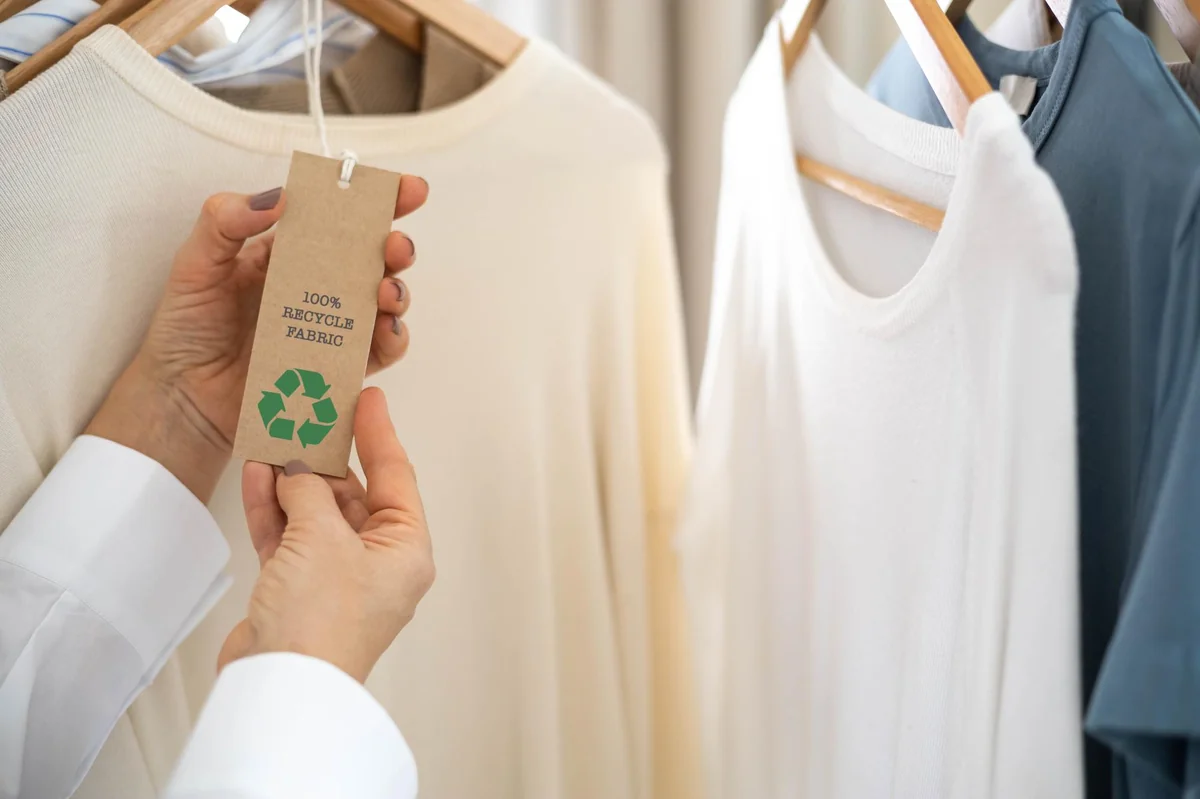
2. Learn to read clothing labels
Inspect for materials used, where it was made, and how to maintain it. Labels can tell us a lot about how an article of clothing was made.
3. Buy second-hand or swap
Second-hand stores, consignment shops, and web-based resale sites are great sources for one-of-a-kind, eco-friendly clothing. Organizing a clothes swap with friends is a cheap and simple solution for a wardrobe update.
4. Take care of what belongs to you
Small things like washing clothes in cold water, air drying, and fixing them instead of replacing them help extend the life of your clothes.
5. Choose sustainable brands
Spend your money with brands that share your values. The more we spend with sustainable fashion companies, the more we push the fashion industry to change.
And talking about cultivating brands…
Why Ty Fashion for Sustainable Fashion?
We don’t just produce stylish clothes at Ty Fashion. We’re committed to ensuring that fashion co-exists with the people and world that help bring it into existence.
Our collections are dedicated to sourcing materials responsibly and minimizing waste in the creation process. We have partners that we collaborate and partner with whom we share the same values, and we are open about how our clothing is created.
Don’t think in terms of fast fashion. We think in terms of lasting fashion—fashion that is made to be worn, loved, and handed down for years to come. Whether through our recycling efforts or our small batch production methodology, we’re always seeking opportunities to minimize our impact.
When you choose Ty Fashion, you’re not just choosing an incredible wardrobe. You’re choosing to be part of something bigger. You’re choosing a responsible style with purpose, integrity, and style.

Final Words
Wearing sustainable fashion isn’t about turning everything upside down overnight. It’s about little, considered steps. It’s about purchasing less but purchasing more. And caring for—not just what you’re wearing, but where you got it and where it’s headed.
As you proceed on your journey to a more conscious closet, remember this: Each choice you make matters. And each dollar you spend builds the future of fashion.
If you’re open to learning about actually sustainable fashion, we’ve got you covered. Do you have questions or need help getting started? Reach out to us at Ty Fashion. We’d be happy to help you build a wardrobe that’s good-looking and great-feeling.
FAQs
1. What is sustainable fashion?
Green fashion is created from environmentally friendly materials and only production processes that reduce harm to the environment and laborers.
2. Why is sustainable fashion so important?
It reduces pollution, wastage, and carbon emissions and ensures fair labor conditions and sustainable fashion practices.
3. How can I determine whether clothes are truly sustainable?
Look for certifications like GOTS or Fair Trade, plant-based fabrics, and open communication regarding where and how the clothing is made.
4. What are sustainable materials in fashion?
Organic cotton, hemp, linen, TENCEL™, Lyocell, and recycled fibers are all eco-friendly.
5. Is sustainable fashion costly?
Generally, yes, but it’s going to endure, so you’re still paying for fewer, better items overall.
6. Can I still keep up with trends in sustainable fashion?
Affirmative! Most environmentally friendly brands, like Ty Fashion, create stylish, current products with minimal impact on the environment.
7. What is greenwashing in fashion?
Greenwashing is where businesses claim to be green, but they provide no proof or do nothing else.
8. Where can I buy sustainable clothing?
Ty Fashion and other businesses selling green fabric and ethical labor also offer sustainable fashion.
9. How do I look after sustainable clothing?
Cold wash, air dry, do not use harsh detergents to extend the life of your shirt and reduce energy usage.
10. Can sustainable fashion be achieved?
Yes. Good design + good production = sustainable fashion–so you can feel good and look good.