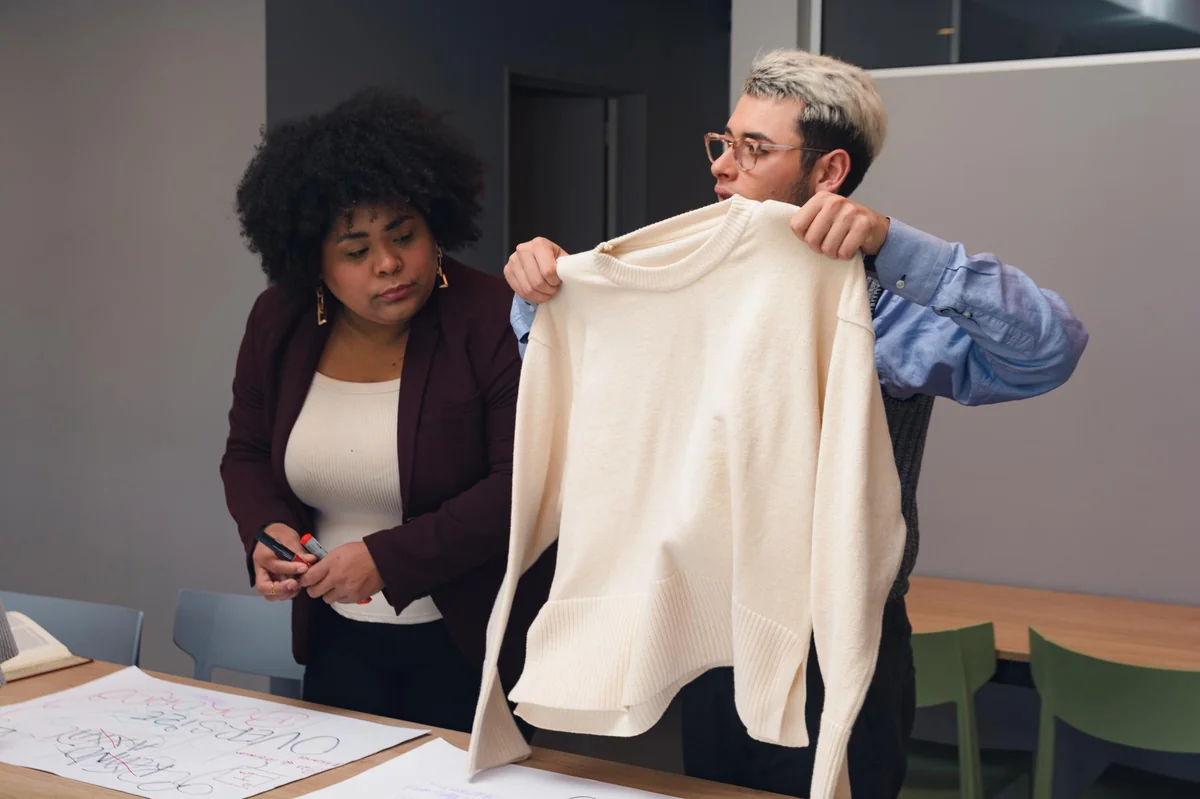
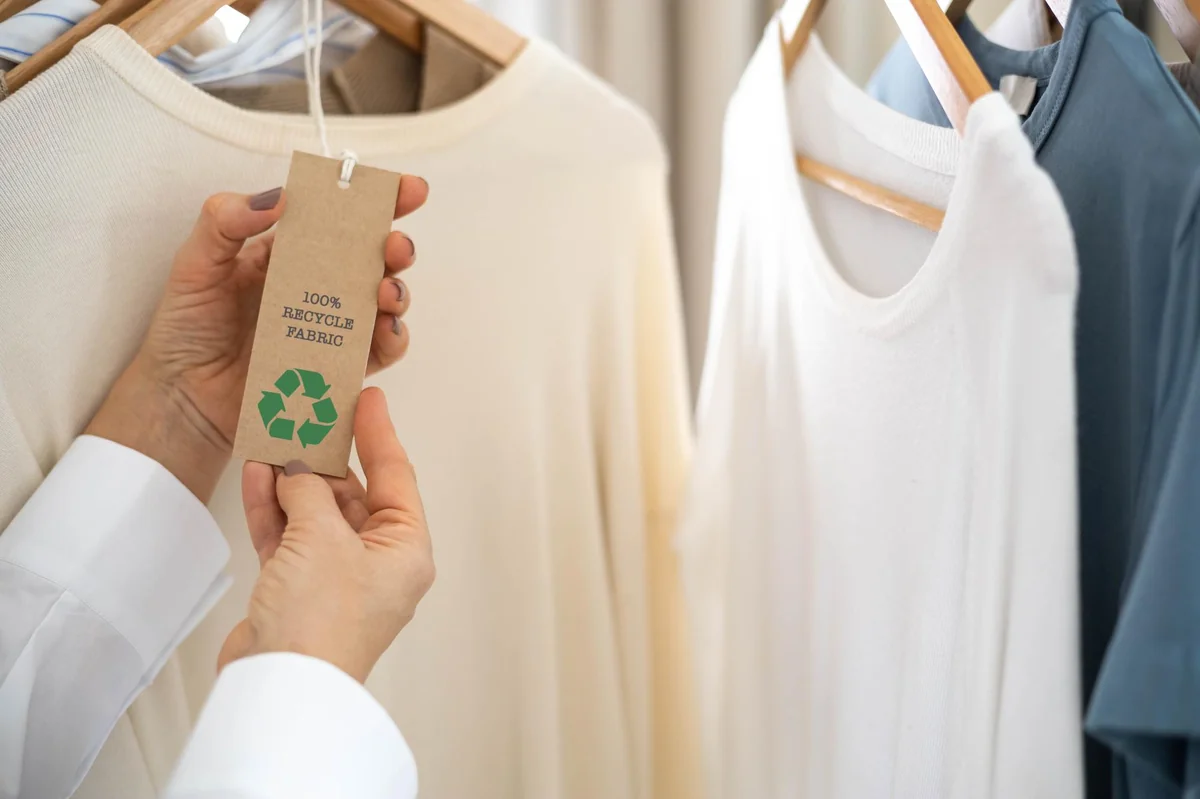
The global apparel sourcing landscape is shifting because wholesalers and distributors and private-label brands are now using eco-friendly clothing wholesale to assess its long-term value compared to fast fashion bulk sourcing. Modern B2B buyers now assess sustainable apparel manufacturing together with lifecycle cost efficiency and durability and environmental compliance instead of only assessing low unit prices. Eco-friendly clothing uses responsible materials and ethical production methods while fast fashion focuses on speed and low-cost production. This contrast creates a critical decision point for businesses which want to achieve sustainability while maximizing their profits. The analysis of cost structure and durability and procurement strategy helps companies to identify which model will deliver long-term sustained growth and competitive advantages in the international apparel market.

The Real Cost Structure Behind Eco-Friendly Clothing Wholesale
B2B buyers need to understand eco-friendly clothing pricing logic because it helps them to make more accurate cost comparisons instead of using basic cost analysis. The costs of sustainable sourcing distribute expenses in new ways because it creates financial benefits that last through time.
Sustainable Material Investment and Performance Benefits
The wholesale market for eco-friendly clothing depends on organic cotton and bamboo fiber and recycled textiles as its material sources which need higher cultivation and processing requirements than traditional fabrics. The upfront costs of these materials increase because the certification requirements and environmentally friendly production methods need to be fulfilled, yet they deliver better softness and breathability and durability. The B2B buyers receive products with fewer defects along with improved customer satisfaction and superior product performance, which applies to both uniforms and premium retail collections.
Ethical Manufacturing and Brand Value Enhancement
Sustainable apparel manufacturers need to use fair labor practices and safe working conditions together with transparent sourcing systems, which raise production costs but build brand credibility among customers. The ethical positioning of wholesalers who want to enter international markets together with their focus on regions which have strict ESG standards will enable them to set higher prices. The ability to market ethically produced garments helps businesses to secure long-term customer loyalty from environmentally conscious clients.
Environmental Efficiency and Long-Term Cost Savings
The production of eco-friendly clothing material reduces water usage and carbon emissions and chemical waste, which helps businesses to meet worldwide sustainability rules. The unit pricing of these benefits does not show immediate effects, yet companies use them to prevent future compliance costs and regulatory risk exposure. The investment in eco-friendly clothing wholesale will provide B2B buyers with better cost stability and predictable expenses, which helps them achieve their sustainability goals that are essential for gaining market acceptance in different countries.
Fast Fashion Wholesale and Its Hidden Cost Implications
The low prices and rapid production of fast fashion create an attractive appearance, yet multiple hidden costs emerge from this business model which damage profitability as time progresses. Fast fashion sourcing carries financial and operational risks which become less visible to see in this section.
Low Production Cost Through Synthetic Materials
The fast fashion wholesale market achieves its low pricing by using synthetic fibers which include polyester as an inexpensive material for producing large quantities of fashion items. The method enables businesses to quickly obtain trendy fashion items in large amounts, which helps them to win price-sensitive customers. The materials do not provide their intended benefits because they cannot deliver breathability and durability, which leads to poor customer experiences that result in fewer repeat purchases.
Short Lifecycle and Increased Replacement Frequency
The design of fast fashion garments leads to their creation as temporary apparel, which uses stitching and fabric construction methods that produce products with low-quality standards. The B2B buyers face higher replacement needs, which result in increased logistics expenses and require faster inventory turnover. The initial procurement cost appears to be low, yet continuous replenishment requirements will drive operational expenses to high levels.
Environmental Impact and Market Risks
Fast fashion leads to the creation of massive textile waste combined with environmental pollution, which has become an increasing problem for global markets. The businesses that sustain their unsustainable practices will encounter reputation problems, which will reduce their ability to reach environmentally conscious customers. The tightening of sustainability regulations will create compliance risks when companies depend on fast fashion wholesale, which makes this approach an unstable long-term business solution.
Durability as a Core Metric in Wholesale Apparel Decisions
The wholesale apparel business uses durability as its primary standard for making purchasing choices. Durability constitutes one of the most important yet frequently overlooked elements which people use to determine wholesale apparel worth. The section demonstrates how sustainable apparel creates extended usage which distinguishes it from fast fashion products.
Extended Lifespan of Eco-Friendly Apparel
The designers of eco-friendly clothing use high-quality fibers together with reinforced construction methods which enable their garments to withstand washing and extended use without losing shape or color. Sustainable apparel provides durability which makes it suitable for use in uniforms, workwear, and high-end product categories which require reliable performance. Wholesalers enjoy benefits from products which last longer because these items need less frequent replacement while they enhance supply chain performance.
Fast Fashion’s Focus on Speed Over Durability
Fast fashion systems operate by producing new items at high speed while they adapt to emerging trends which results in weakened product strength and product life span reduction. The result leads to fast clothing breakdowns which make products develop faults after short usage time. The inconsistent product quality which B2B buyers experience results in increased return rates together with customer dissatisfaction which cuts into their bottom line.
Cost-Per-Wear Advantage of Sustainable Clothing
The metric of cost-per-wear shows the actual worth of clothing purchases which eco-friendly clothing achieves. The sustainable products cost more at first but their extended lifetime results in lower costs for each product use. The wholesale cost of eco-friendly clothing becomes the most cost-effective option for businesses which prioritize value over immediate financial benefits.
Key Factors Influencing B2B Wholesale Pricing Decisions
B2B buyers need to assess various aspects which go beyond basic price comparison when they choose between different sourcing models. The section describes essential elements which affect wholesale purchasing decisions and business operations.
Material Cost Versus Lifecycle Efficiency
Eco-friendly clothing needs a larger first material cost but its products last longer and perform better, resulting in cheaper total operating costs. Fast fashion reduces initial costs, but its model generates higher total expenses because customers need to replace items more often. B2B buyers need to assess the expense balance which relates to their specific business operations and upcoming market trends.
Customization Flexibility and Product Differentiation
Sustainable apparel manufacturers provide both OEM and ODM services which enable brands to create customized eco-friendly clothing lines that match their brand identity and values. The business needs flexible operations which enable them to establish unique market positions. Fast fashion suppliers create standardized designs which restrict customer personalization, but these products enable manufacturers to make items at a quicker pace.
Inventory Risk and Demand Stability
Eco-friendly clothing supports timeless designs that remain relevant across seasons, reducing the risk of unsold inventory and markdown losses. Fast fashion stores need to handle excessive merchandise because their products become old-fashioned within a short time period. Wholesalers need effective inventory management systems to achieve both financial success and operational efficiency.
Strategic Sourcing Approaches for Modern Apparel Businesses
Business organizations in the clothing industry implement strategic sourcing systems to achieve their targets for cost reduction, product quality improvement, and environmental protection. The section shows companies the best acquiring methods they should implement.
Sustainable Apparel for Premium Market Positioning
Eco-friendly clothing wholesale operates as the perfect business solution for companies who want to sell products to premium customers, corporate clients, and environmentally savvy markets. The product provides a combination of high quality together with long-lasting durability and responsible manufacturing, which builds customer loyalty and supports premium branding initiatives.
Fast Fashion for High-Volume and Trend-Driven Sales
All businesses that operate in fast retail environments should turn to fast fashion because their business needs require affordable items which match current market trends. The system enables businesses to transform consumer trends into sustained sales success, which helps them achieve revenue growth in low-cost markets.
Hybrid Sourcing Strategy for Balanced Growth
Hybrid sourcing model helps B2B buyers to acquire essential eco-friendly clothing with sustainable elements for their main product lines, while they select fast fashion items to meet their temporary fashion needs. The method lets businesses handle various customer needs while they create sustainable practices which help them achieve cost savings and permanent market success.
Conclusion
The comparison between eco-friendly clothing and fast fashion wholesale demonstrates that actual expenses exceed the basic cost of products. The fast fashion industry creates products which customers can buy at low prices but these items will cost them more money because they cannot use the products for an extended period. The wholesale market of eco-friendly clothing delivers products which businesses should choose because they provide better quality and longer product life and help companies create stronger brand identities. The ongoing rise in global sustainable apparel demand will drive companies to adopt eco-friendly sourcing methods which will generate profits while sustaining their market advantage. As global demand for sustainable apparel continues to grow, adopting eco-friendly sourcing practices will not only enhance profitability but also ensure long-term competitiveness—learn more about reliable eco-friendly clothing solutions at TONG YAO FASHION – SUSTAINALBLE / ETHICAL APPAREL MANUFACTURER – One-stop eco-friendly and sustainable clothing manufacturer.