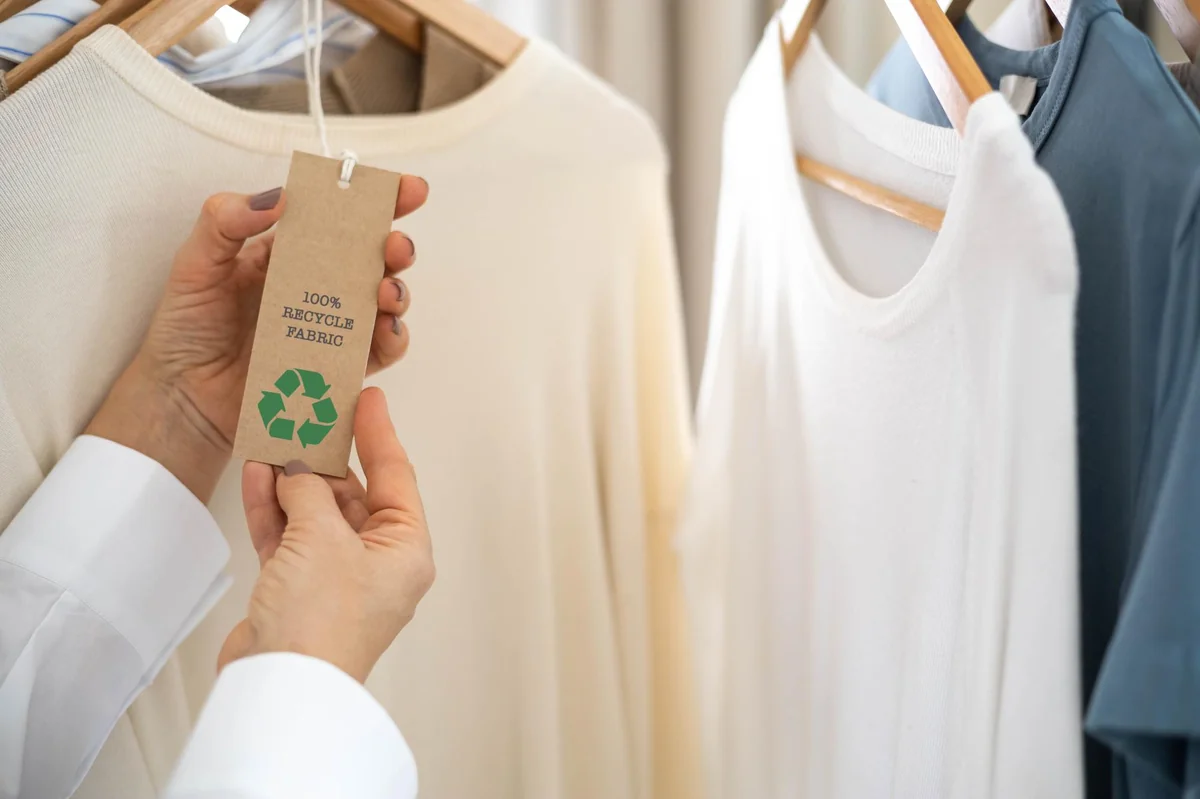
Recycled materials are a popular subject matter in the fashion industry. More and more companies are looking for ways to make their products greener and more eco-friendly. That is where recycled materials enter the picture. They are materials produced by using pre-used material sources such as plastic containers, unused clothing, or leftover fabric pieces. Rather than disposing of them, companies recycle them to produce something new.
Why does it matter? The fashion industry produces massive amounts of waste each year. And a lot of water and energy, too. Recycled clothing cuts back on that. By recycling material, we cut back on our requirements to make new raw materials from scratch, which saves resources and lowers pollution.
But if recycled fabrics are so great, why are more companies not using them? Why are other companies still avoiding them?
The cloth is not the problem. It’s the myths surrounding it.
Let’s dive into these common misconceptions and determine what’s actually going on.

Breaking the Top Myths About Recycled Fabrics
It’s simple to listen to you say something over and over again and believe it to be true — particularly in an industry as quick as fashion. But when you’re working with recycled textiles, there are a number of myths standing in your way.
Myth 1: Recycled fabrics are of poor quality
Most individuals believe recycled fabric is not as good as virgin material. They envision coarse weaves, brittle strands, and products that don’t hold up. That isn’t always the case, though.
With the technology available in manufacturing now, recycled materials, especially recycled polyester, can be just as good as, if not better than, traditional materials. The manufacturer and the process are where the quality comes in. When recycled materials are made by quality manufacturers with the proper process, they are soft, long-lasting, and even durable.
Myth 2: Recycled fabrics are too expensive
This used to be true. When recycled clothing first entered the market, they were more expensive because the supply chain was new and manufacturing processes were not so effective. But now, demand is on the rise, technology is advanced, and prices have declined.
Overall, recycled materials are priced as high as standard materials. And if businesses are willing to look beyond the present moment — including future value, consumer loyalty, and sustainability goals — the slight price difference is a worthwhile investment.
Myth 3: Recycled fabrics are inherently environmentally friendly
This one is difficult. Individuals have the belief that when something is recycled, it is sure to be green. That is not always true. Just because fabric employs recycled material does not always equate to the entire process being clean or green.
For example, if the textile is dyed using toxic chemicals or produced at a mill that consumes energy and water excessively, then it isn’t sustainable. To make sure recycled textiles are eco-friendly, businesses must ask for certifications and full openness from their producers.
So if these myths aren’t true… why do they stick around?

Why These Recycling Fabric Myths Persist
If the truth about recycled fabrics is so far from the myths, then why are there so many people in ignorance?
There are a few reasons.
For one, most suppliers and brands don’t provide complete data regarding their materials. They may label materials as “green” or “eco” without defining what “green” or “eco” is. This is misleading, and it also generates confusion. People begin questioning whether or not any recycled content is actually superior.
Second, not everyone within the company is competent enough to differentiate between good and inferior fabric. Sourcing teams, designers, and even marketers base decisions on archaic myths or limited knowledge. If they have worked with a poor-quality recycled fabric before, then they believe all of them are the same.
And finally, let’s be realistic — there are actual companies making money off the confusion. Companies that don’t have recycled content can downplay their value. Or companies can mark things as “recycled” without making the effort. It slows everyone down for the whole industry.
But how can companies get past the myths and find the right materials?
Things to Think About When Sourcing Recycled Fabric
Learning how to locate high-quality recycled fabrics starts with knowing what to look for. It’s not just about the label — it’s the whole history of the fabric.
1. Certificates attesting quality and sustainability
Reliable recycled materials usually carry such certifications as the Global Recycled Standard (GRS), OEKO-TEX, or bluesign®. These certifications not only ensure that the material is made from recycled content but also that it passes rigorous safety, transparency, and environmental standards.
2. Performance testing
Good-quality recycled material is tested for stretch, abrasion, pilling, colorfastness, etc. You can’t really expect the product of a supplier if you can’t view test results.
3. Supply chain transparency
Where did the recycling material originate from? How did they process the fabric? A quality manufacturer should be able to track the material from beginning to end.
4. Scalable production capacity
Most brands fear that recycled materials are only good for small collections or limited-edition items. But not anymore, thanks to the right supplier. Today, recycled fabrics can be made in bulk — without sacrificing quality or deadlines.
When you put all that together, what is striking is that not all the suppliers are the same. That is why having a good partner is essential.
How TY Fashion Is Leading the Way With Recycled Materials
At TY Fashion, we’ve seen firsthand how reclaimed material can change not just products — but businesses.
As a GRS-certified Chinese recycled fabric producer, we have helped overseas fashion brands make the switch to more eco-friendly materials without sacrificing quality, design, or production control.
This is what we do:
- Certified recycled materials: It is supported by industry-approved certifications such as GRS and OEKO-TEX.
- In-house manufacturing: We have the entire process from spinning to dyeing to finishing under our ownership. That means better quality, shorter lead times, and total control.
- Advanced technology: We utilize state-of-the-art machines to ensure our recycled products function and last just like original materials.
- Global collaborations: Brands rely on us because we don’t merely sell apparel— we help them make wiser, more sustainable decisions.
We think recycled materials need not be an afterthought. They can be an advantage.
Conclusion
The fashion industry has a major role to play in shaping a more sustainable future. But misconceptions and myths about the use of recycled materials are currently holding it back.
When recycled content in brand minds is of poor quality, too costly, or is just for promotion, they are lacking genuine innovation. And when there is no transparency or support from suppliers, they are also contributing to the confusion.
It’s time to try a different way.
Here at TY Fashion, we’re not just supplying recycled materials — we’re supplying confidence, reliability, and performance. We enable brands to proceed with confidence, backed by real results and reliable supply.
If you are willing to dive into recycled textiles for your next season, we are here to assist. Contact us today and let’s make something that is good for your business — and the earth.
Frequently Asked Questions
1. What are recycled fabrics?
Recycled clothing is made by recycling materials like plastic bottles, second-hand clothing, or unused fabric to create new fabric. They save natural resources and reduce wastage.
2. Are recycled materials of good quality?
Indeed! Recycled products are just as good in quality and performance as the regular ones if made by a good producer.
3. Are recycled materials more expensive?
Not always. They cost less because demand is higher and because of technology. Their long-term value generally makes them a good investment.
4. What are recycled fabrics made of?
Sources that are widely used include recycled PET plastic as polyester, recycled waste textiles as cotton, and even recycled fishing nets as nylon.
5. Is all recycled fabric sustainable?
Not quite. You can have recycled content in a fabric, but the whole process — dyeing and finishing — must also be green in order to be sustainable.
6. How do I know if recycled fabric is authentic?
Search for certifications such as GRS (Global Recycled Standard) or OEKO-TEX. These ensure the fabric is up to high standards.
7. Are bulk orders of recycled materials available?
Yes! With a good supplier, recycled fabrics can be produced in bulk with no delay or issue.
8. Are recycled materials softer than regular materials?
Not at all. With the technology and methods of today, recycled clothing can be as smooth, as soft, and as comfortable as everyday clothing.
9. Why should fashion companies employ recycled materials?
They reduce environmental harm, meet consumers’ need for green products, and enhance long-term business success.
10. How do I locate a reliable producer of recycled fabric?
TY Fashion is a reliable Chinese supplier of high-quality certified recycled fabric on a full international transparent basis.