It is surprising to learn that the global fashion industry contributes approximately 10% of the total global carbon emissions. With increased awareness of environmental degradation, sustainable clothing quickly forms part of the current trend. Today, there are more and more fashion brands who have adopted the ODM/OEM cooperation to enhance the sustainability of the supply chain. This means that designers can come up with fashionable clothes that are also more environmentally friendly than those currently on the market at affordable prices.
In this article, we will discuss how ODM/OEM cooperation supports brands in making sustainable clothes and why these collaborations are beneficial for the development of fashion.
What is ODM/OEM Cooperation in the Fashion Industry?
First of all, let us outline the meaning of the cooperation of ODM/OEM. ODM stands for Original Design Manufacturer, and OEM stands for Original Equipment Manufacturer. These partnerships will enable the fashion brands to take manufacturers who help in designing and manufacture of the clothes.

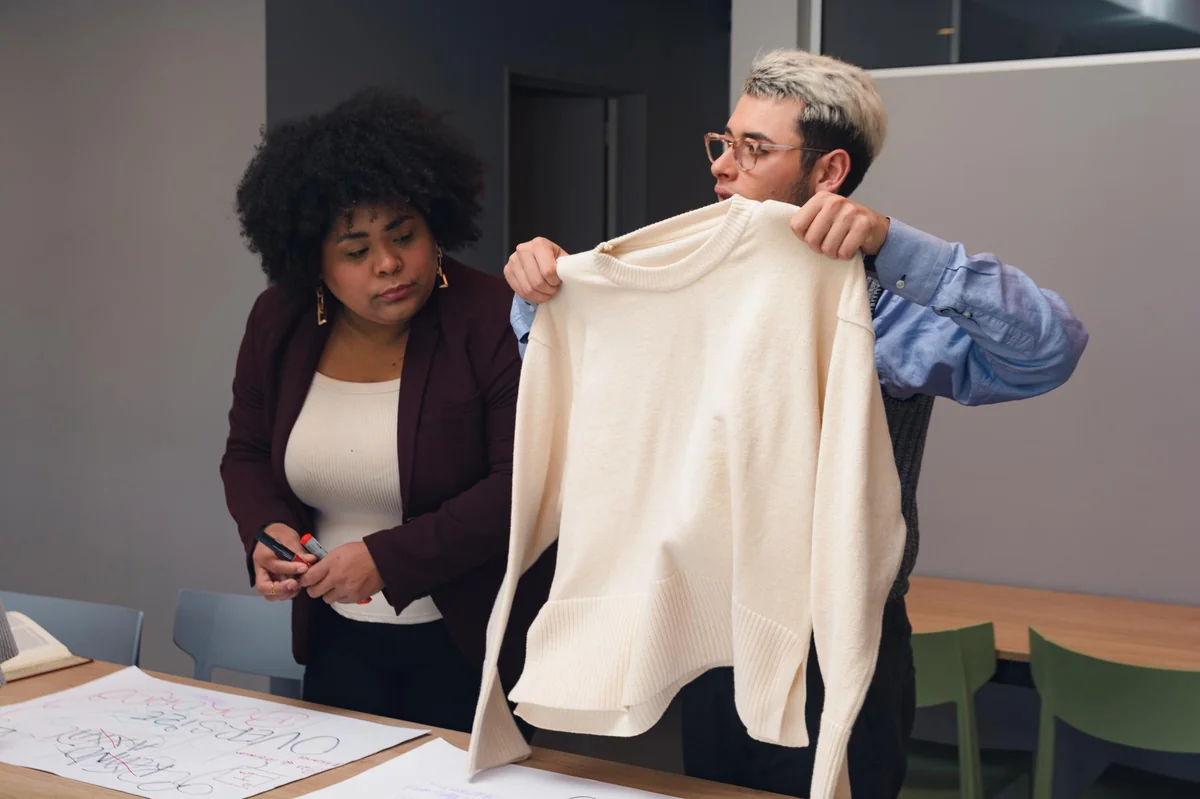
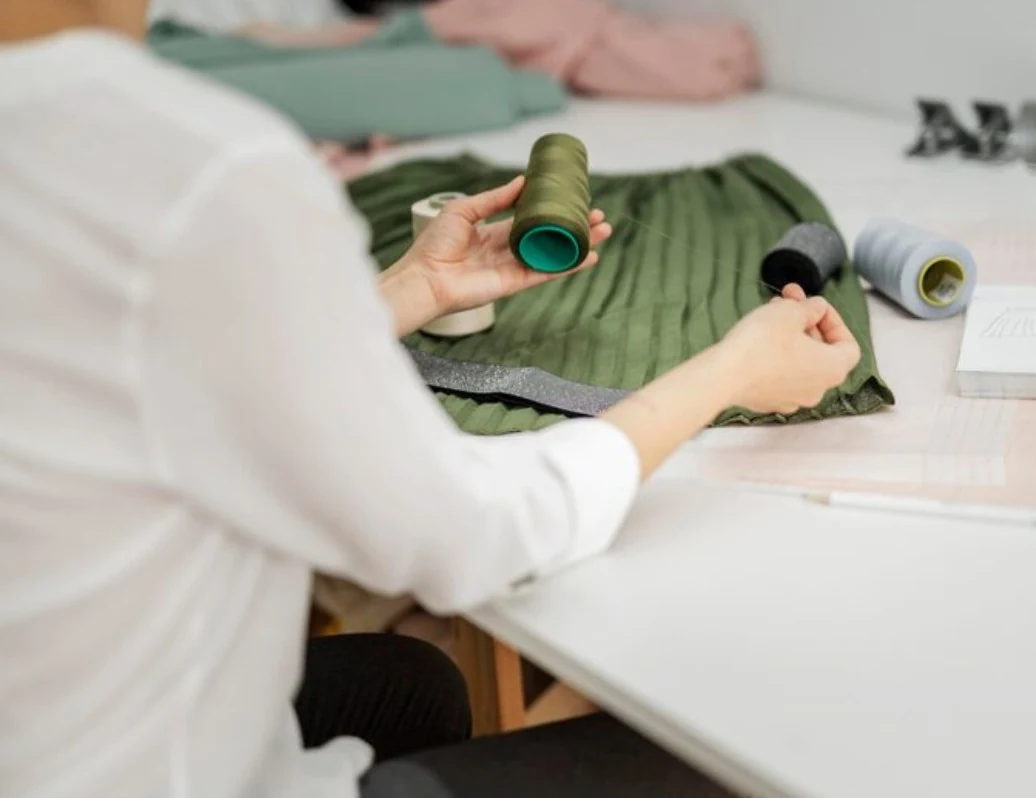
ODM/OEM relationships in the fashion industry allow brands to create clothes that are fashionable and have a sustainable outlook. When brands work hand in hand with the right manufacturers, they are able to incorporate green elements by using environmentally-friendly raw materials, minimize the products that are manufactured in order to eliminate overproduction, and so on.
They also gain small orders quickly, which indicates that brands and manufacturers can make small batches of clothing to test designs and reduce outcomes. This goes a long way in making the fashion supply chain more sustainable by lowering the level of waste.
How ODM/OEM Partnerships Support Sustainability
Now, I would like to discuss how ODM/OEM cooperation makes brands environmentally friendly. Here is a detailed insight into how these coalitions make fashion shift toward sustainability:
Using Eco-Friendly Materials
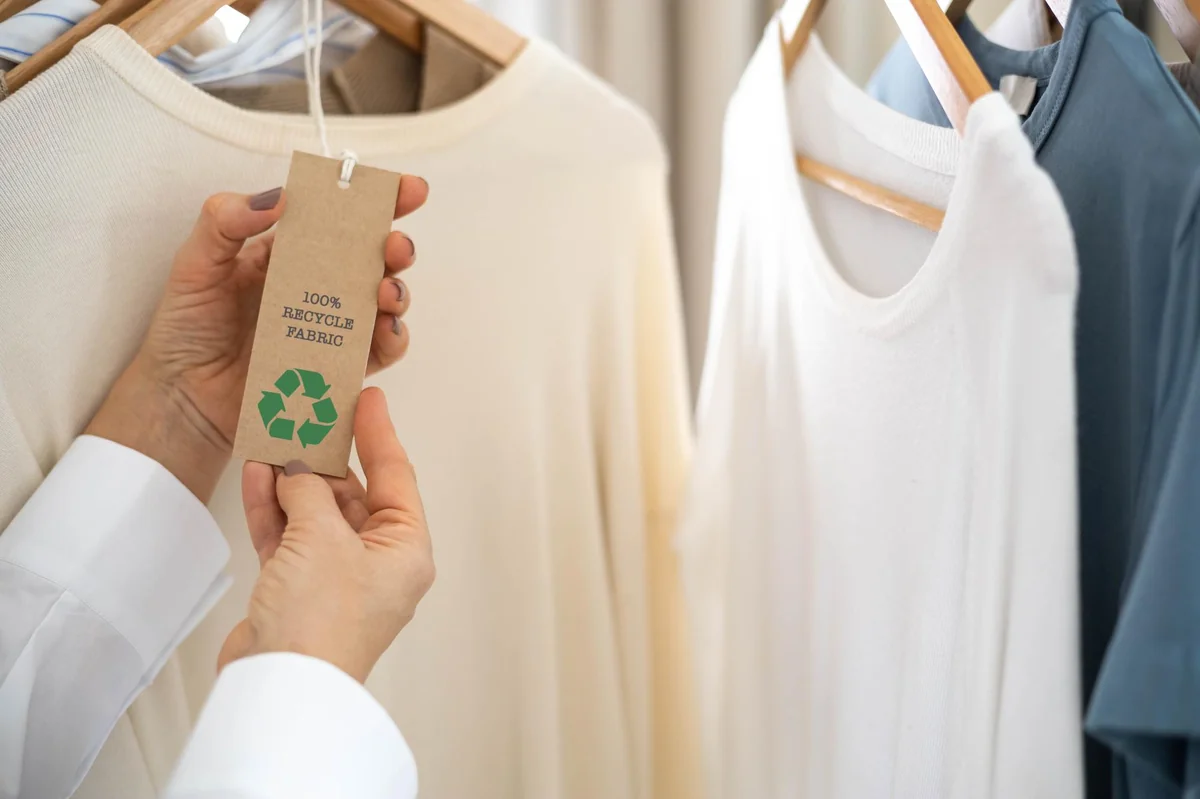
This is one of the most significant advantages of cooperation between an ODM/OEM and brands, which is to be able to make use of environmentally friendly materials. The fashion brands can then, in a partnership with manufacturers, engage in researching and sourcing for environmentally friendly materials such as organic cotton, recycled fabrics, and eco-dyes. It also helps in that they use fewer chemicals and in turn, less water is used in the creating of these materials.
Waste Reduction with Small Order Fast Reverse
One of the other benefits of ODM/OEM cooperation that is pertinent to sustainability is the small order fast reverse. This means that rather than the brands need to make lot of garments at a time, they can produce small numbers of clothes. It also reduces the chances of having extra clothes that would be a waste of resources by being dumped in the dumps. Thus, brands only produce what is needed, with the added benefit that they can also try out new products for the market.
Circular Fashion: Reusing and Recycling
Furthermore, the cooperation between ODM/OEM further involves brands in a circular fashion. This refers to wearing garments that can be returned to the market for further use, repurposed, or upcycled when it gets irrelevant. When the fabrics are eco-friendly and when manufacturers adopt circular fashion practices, then the clothes that result from these materials have low effects on the environment.

Transparency in the Supply Chain
It also refers to the truth about how clothes are manufactured; this is a form of sustainability. This is because cooperation between ODM/OEM assists brands in knowing the source of their material and how their clothes are manufactured. Such a strategy can be reassuring for consumers because they will be convinced that the companies they are purchasing the brands from are serious about reducing their environmental impact.
Why Flexible Manufacturing is Key for Eco-Friendly Fashion
Another vital reason for the synergy of ODM/OEM cooperation is that it is a rather flexible model. This flexibility enables the brands to produce the quantity desired in intervals without overproduction. Here is how this operation works.
Managing Production and Scaling Up
There are certain periods when such brands have to make tweaks in the amount of products they have in the market. The most important cooperation between ODM/OEM is that they have flexibility in the production capacity and volume of production requirements. This is especially relevant for sustainable fashion, as it is a way to avoid producing too many pieces and creating waste.
MOQ Flexibility: Making Smaller Orders
Another advantage of the ODM/OEM cooperation is MOQ flexibility. Usually, many brands do not have to order large quantities of goods at once, especially if they are planning to launch new models of sustainable clothing. By having low MOQs, they can order many products at once but in small quantities so as to avoid the production of large quantities that may not meet market demands. This assists the brand to minimize wastage in the initial stages while experimenting with the market.
Quality Control with AQL Standards
When in a debate about clothing that is friendly to the environment, quality cannot be overlooked. This collaboration of ODM/OEM helps to ensure that every product produced goes through a high standard of quality. Manufacturers employ AQL or Acceptable Quality Level in order to inspect garments in the manufacturing process. This reduces on the cases of producing bad quality product and also helps the brands to get the products that have a long life span thus reducing waste.
Innovating for Sustainable Fashion with ODM/OEM Cooperation
Next, let’s discuss how manufacturers can work with ODM/OEM partners to design innovative new products. These are crucial as they help in sustaining the company’s competitiveness in the field of eco-fashion.

Designing for Sustainability
A primary advantage of the ODM/OEM partnership is that fashion brands get an opportunity to create clothing products that are both fashionable and environmentally friendly. Such collaborations enable the brands to come up with designs that incorporate environmentally friendly materials right from the onset and, at the same time, ensure that the manufacturing process is environmentally conscious.
Due to sustainability-inclined manufacturers, fashion brands can produce outstanding collections with sustainable elements that are ideal for the current market.
Eco-Friendly Innovations in Manufacturing
Cooperation between ODM/OEM also creates new trends in the way clothes are produced. For instance, technologies such as waterless dyeing or 3D knitting help in cutting down on waste in the fashion business. Such innovations enable branding teams to manufacture clothes in a shorter time and with fewer resources. This means that by sourcing from manufacturers employing these technologies, fashion brands can design and create good quality eco-friendly clothes without harming the environment.
How Ty Fashion Helps with Sustainable Fashion
Here at Ty Fashion, we believe that it’s our mission to assist fashion brands in designing their sustainable collections through ODM/OEM partnerships. The primary purpose of our company is to enable all brands out there to lower their environmental footprint with biodegradable materials, not to have to worry about minimum orders and to get their products manufactured responsibly.
Whether you are involved in the design and development of sustainable collections or if your aim is to expand your production of environmentally friendly products, Ty Fashion is pleased to offer its expertise.

Conclusion
As time passes, ODM/OEM will have significant value in developing better and more environmental protection supply chain for fashion. Whereas selecting and partnering with the correct manufacturers, fashion brands can incorporate sustainable materials, lessen wastage and design appealing fashionable clothes that are sustainable and fashionable.
If you are interested in embracing sustainability in your fashion brand, feel free to download our PDF guide on how to design an eco-friendly supply chain or contact us to see how we can assist with your next sustainable fashion line.
FAQs
1. What are the differences between OEM and ODM in fashion?
While OEM works under the design parameters provided by the buyer, ODM designs the product and the item. These two are useful in the creation of fashion collections.
2. How can an ODM partnership help create eco-friendly fashion?
Through an ODM partnership, it becomes easier to select materials suitable for the production of environmentally friendly clothes since one eliminates the complexity of dealing with many suppliers.
3. What are the benefits of low MOQ in eco-friendly fashion?
The fact that low minimum quantities can be ordered implies that brands do not have to purchase in large quantities and can experiment with new designs by creating a smaller lot.
4. Why is sustainability important in fashion supply chains?
This entails the incorporation of the maximal usage of environmentally friendly substances and freights and, most importantly, avoiding unfair imposition on the environment.
5. What is AQL, and to what extent is it relevant to sustainable fashion?
AQL refers to the Acceptable Quality Level system, which is meant to assess the quality of the products. This helps ensure that the clothes that are being produced are environmentally friendly, as required, and of the right quality.
6. How do flexible supply chains benefit eco-friendly fashion brands?
The world where brands operate is highly dynamic and therefore requires flexible supply chain that enables them to conform to the new trends in the market without compromising their sustainability objectives. This helps them fulfill customer needs and demands for green products.
7. Why should I customize my fashion collection?
Customization enables consumers to have their own collection of fashion that is in harmony with organizational values such as sustainable fashion and, therefore, meets the needs of the new fashionable consumer.
8. Can an eco-friendly supply chain help build brand loyalty?
Yes! Customers care more about sustainability. To make a business eco-friendly, a brand gets a chance to find and get patronage from customers who are conscious of the existing environmental conservation measures.
9. How do certifications like GRS and Sedex improve a fashion brand’s sustainability efforts?
Certifications like Global Recycled Standard (GRS) and Sedex show that a brand follows strict ethical and sustainable practices, which helps build trust with customers.
10. How does Ty Fashion support eco-friendly fashion brands?
Ty Fashion provides various services of fashion customization, the use of environmentally friendly materials, and flexible production to meet the needs of modern environment protection fashion demand from China.