Have you ever stopped and thought about what your clothes are made of? Not the color or the style, but the material—what it’s made of. Fashion is no longer a fashion statement alone; it’s a choice that affects the world. That’s why consumers and brands are increasingly talking about recycled fabrics.
But just what are recycled fabrics, anyway? And how do they differ from traditional (or virgin) fabrics? Are they really eco-friendly? Do they cost me more? And do they feel the same in terms of comfort, style, and longevity?
This blog post is going to walk you through it. We’re going to look at whether recycled materials are on par with virgin materials in terms of cost, the planet, and performance—so you can make more informed, more sustainable choices, whether you’re a consumer purchasing clothing or a designer making your own.
Let us first discover what each category of fabric truly is and where it comes from.

What Are Recycled Fabrics and How Do They Differ from Virgin Fabrics?
Let’s get to know what we are comparing before we go to the pros and cons.
Virgin materials consist of unprocessed raw materials. These may be natural materials such as newly-planted cotton or wool, or man-made materials such as petroleum-derived polyester. They are not previously utilized, and they go through a complete cycle of manufacture, cultivation of raw material, up to spinning and weaving.
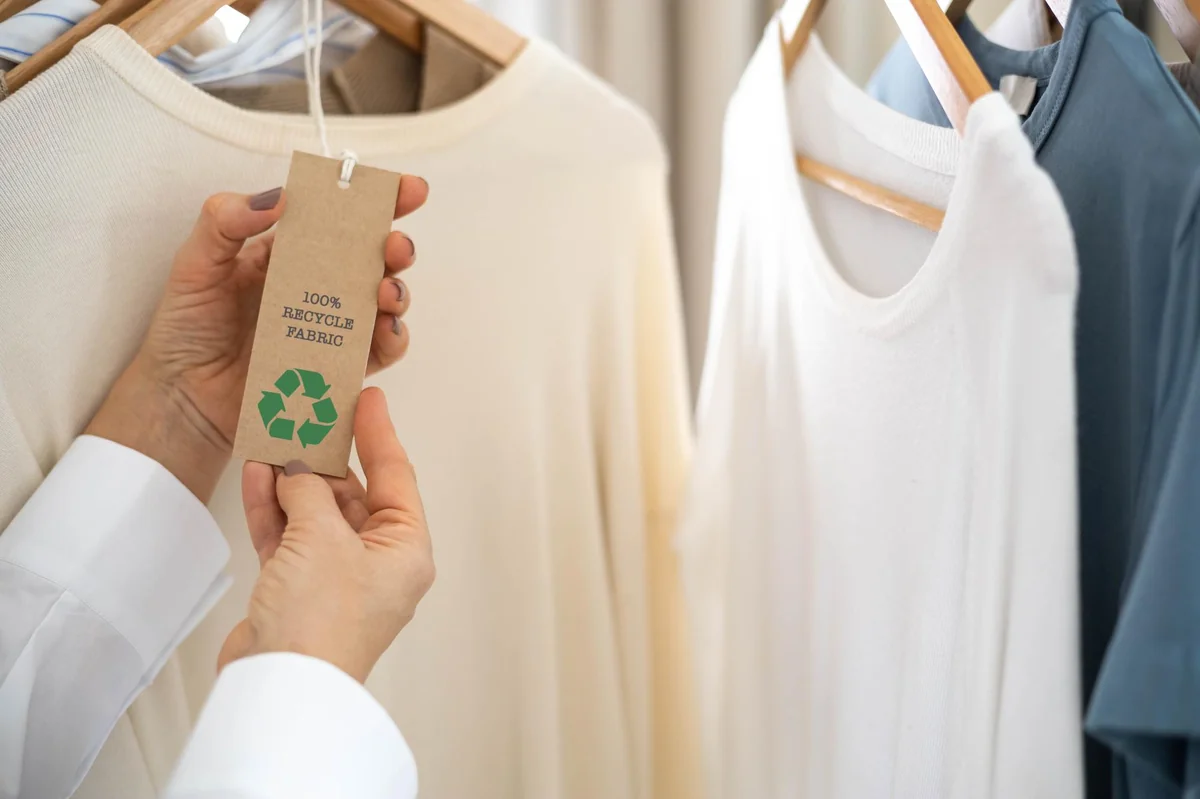
Recycled fabrics are produced when existing materials are recycled. This can include the process of transforming old clothes that have worn out, fabric pieces, or even plastic bottles into producing new yarns. All these fabrics are part of a bigger scheme of reducing wastage and conserving natural resources.
So why the huge disparity? It all comes down to what kind of impact they have on the world. And that’s where things get fascinating.

Environmental Impact: Why Recycled Fabrics Are a Sustainable Game Changer
Fashion has a dramatic effect on the environment. It generates tens of millions of tonnes of waste every year and consumes an incredible amount of water and energy. Virgin fabrics are the source of a lot of it.
For example, the production of virgin polyester is petroleum-based, a non-renewable resource. Cotton, while natural, will require gigantic amounts of pesticides and water.
Recycled material, though, breathes new life into existing materials that could otherwise find their way into a landfill or the ocean. By reusing what we already have, we allow ourselves to conserve resources and reduce pollution.
Let us discuss some of the major advantages of recycled fabrics.
Less Waste in Landfills
Millions of pounds of fabric and clothing waste are wasted annually. Recycled fabrics reduce this because they utilize old materials to form new ones. It’s similar to reviving your old T-shirt.
Lower Carbon Footprint
Making recycled polyester takes as much as 59% less energy to make than virgin polyester. That’s fewer greenhouse gases released into the environment. And when companies employ closed-loop production—where materials are recycled over and over again—it has an even bigger impact.
So we know that recycled clothing is good for the world. But what about your wallet?

Comparison of the Cost of Recycled and Virgin Materials
When it comes to cost, the solution is not always a simple one. Most individuals think that recycled products will be cheaper because they’re working with older materials. In fact, it is not always true.
Let us address what makes up fabric price and why recycled fabric sometimes costs more.
What Influences the Price of Recycled Textiles?
It is work to recycle materials. The material must be gathered, sorted, cleaned, and cut before it can be used to make new fabric. Special equipment is needed to recycle the material at times, and this can drive up the price.
Also, because recycled material is still a relatively new thing, there is less of it out there than regular material. If something is less abundant, it costs more.
Are They Worth the Price?
Although recycled materials may be more costly in the short run, they can pay dividends down the line. Why? Because they will sustain you as long—and sometimes longer—than more affordable virgin materials. And because consumers are willing to pay extra for eco-friendly products, that can be a big advantage for fashion brands that are looking to stand out.
Speaking of standing out, let’s consider recycled materials’ durability in everyday wear.
Do Recycled Textiles Match the Performance of Virgin Fibers?
You might wonder, though, if going green has to compromise comfort or style. The good news: Recycled materials have come a long way—and perform just as well, if not better, than many virgin materials.
Let’s take it apart.
Style and Comfort
Recycled products are as soft, stretchy, airy, and colorful as virgin products. Recycled cotton, for example, is nearly as soft as virgin cotton. Recycled polyester is used in everything from sports apparel to jackets and offers comfort and flexibility.
Technology has improved the processing of such fabrics so that they have a premium feel and look. Some producers even blend recycled and virgin fibers to create fabric that is both soft and durable.
Performance for Everyday Life
There also needs to be durability in apparel. No one would want to have a shirt that would become useless after several washes. Luckily, most recycled fibers are as strong as virgin fibers. They are also resistant to ripping, shrinking, and fading.
Recycled material is already utilized in sportswear and outdoor clothing by big companies because they can put pressure, literally.
So if recycled fashion is succeeding and saving the planet, the question is: who’s at the forefront?
Why TY Fashion Is Choosing Recycled Materials to Create a Better World
At TY Fashion, we believe that fashion and sustainability go hand in hand. That is why we have made a significant investment in utilizing recycled material for our product line.
We know that today’s consumers care about more than looks. They need to feel like what they’re doing is making something different, and so do we.
TY Fashion’s Green Strategy
Our company collaborates with reputable suppliers in order to receive the finest recycled materials. We trade in post-consumer waste products such as plastic containers and old clothing. With them, we are able to minimize our carbon footprint without sacrificing style and longevity.
We also wish to inform our consumers on the benefits of recycled fabrics, because we think change starts with awareness.
The Future of Recycled Fashion
We see recycled fashion as the future. With the world demanding more sustainable options, we’re poised to pave the way. We’re dedicated to uniting sustainability and innovative design, so you never have to sacrifice looking or feeling great.
But don’t believe us. The facts are in our favor.
Final Thoughts
As we’ve discovered, recycled fabric is not a trend. They conserve waste, reduce pollution, and even save energy. Sure, they may be a bit more costly occasionally, but the long-term payoff—both to the environment and to product quality—is well worth it.
From sports apparel to streetwear, recycled products can meet the demands of today’s consumer. And companies like TY Fashion are proving to the world that fashion and sustainability can be a match made in heaven.
Thus, what will you be wearing for your next ensemble?
Frequently Asked Questions (FAQs)
1. What is recycled fabric made of?
Second-hand garments, scrap material, plastic bottles, and other waste products are cleaned and reprocessed into fresh material to produce recycled material.
2. Are recycled fabrics good for the environment?
Yes. They lower landfill waste, conserve water, and lower carbon emissions than virgin materials.
3. Are recycled materials softer than ordinary materials?
Not really. Most of the recycled materials are not unlike others. Some are softer or harder, depending on how they were made.
4. Are recycled products more costly?
They do, but they are becoming cheaper as technology improves. They are considered by most to be a smart investment in sustainability.
5. Are used textiles suitable for sportswear or active wear?
Yes. Nylon and polyester recycled materials are used on sportswear because they’re durable, elastic, and lightweight.
6. How durable are clothes made from recycled materials?
With adequate care, clothing made from recycled fibers will last just as long as clothing made from virgin fibers.
7. Are recycled materials always 100% recycled?
Not necessarily. Some are blends of recycled and virgin fibers to aid in added strength or texture, but some are all recycled.
8. Is recycled fabric the same as upcycled fabric?
No. Recycled material is made through reusing and reworking materials. Upcycled material is recycled in its original state or with minimal modification.
9. Are recycled materials more prone to shrinkage or fading?
Not usually. Most recycled clothes are treated to resist shrinkage, fading, and wear in the same way as good-quality regular fabrics.
10. Where can I get clothing made from recycled materials?
You may purchase green collections with recycled content at TY Fashion, where fashion and sustainable design converge.