How Blockchain Is Cleaning Up the B2B Eco-Apparel Supply Chain (And Why Brands Actually Care Now)
OK so I tested a jacket last month that came with a QR code on the tag. Scanned it. Got the entire supply chain history — cotton farm in Gujarat, dye house in Portugal, assembly in Vietnam, carbon offset details, the works. That’s blockchain hitting the B2B side of environmentally friendly clothes, and honestly? It’s the first time I’ve seen brands actually give a damn about transparency beyond marketing fluff.

Here’s what changed. For years, eco-apparel brands would slap “sustainable” on a hangtag and call it a day. But their wholesale buyers — the big retailers, the corporate uniform suppliers — started demanding proof. Not vibes. Actual data.
Blockchain makes that possible without turning supply chain management into a nightmare. Every transaction gets recorded: the organic certification at the farm level, the water usage at the mill, the fair wage verification at the factory. Immutable ledger. Can’t fake it retroactively (which, let me tell you, was absolutely happening with PDF certificates).
And the brands care now because their B2B customers are writing it into contracts. I talked to a sourcing director at a mid-size activewear company who said 40% of their wholesale accounts now require supply chain visibility as a condition of the deal. Not a nice-to-have. A dealbreaker.
The tech itself isn’t sexy — it’s basically a shared database that nobody can edit after the fact — but the business impact is real. Brands using blockchain-verified supply chains are seeing 15-20% higher margins on B2B orders because they can charge a premium for that documentation. Retailers want environmentally friendly clothes they can actually defend when a customer asks questions at the point of sale.
So yeah. Blockchain went from crypto hype to a legitimate tool for cleaning up how eco-apparel moves from farm to finished product. Wild how fast that happened once money got involved.
The Real Innovation Behind On-Demand Manufacturing in Sustainable Fashion Supply Chains
I watched a small brand in Portland print a single hoodie last month. Just one. Customer ordered it online at 11 PM, design got sent to a local micro-factory, and the thing shipped 14 hours later. No warehouse. No minimum order quantity. No leftover inventory rotting in a distribution center somewhere in Ohio.
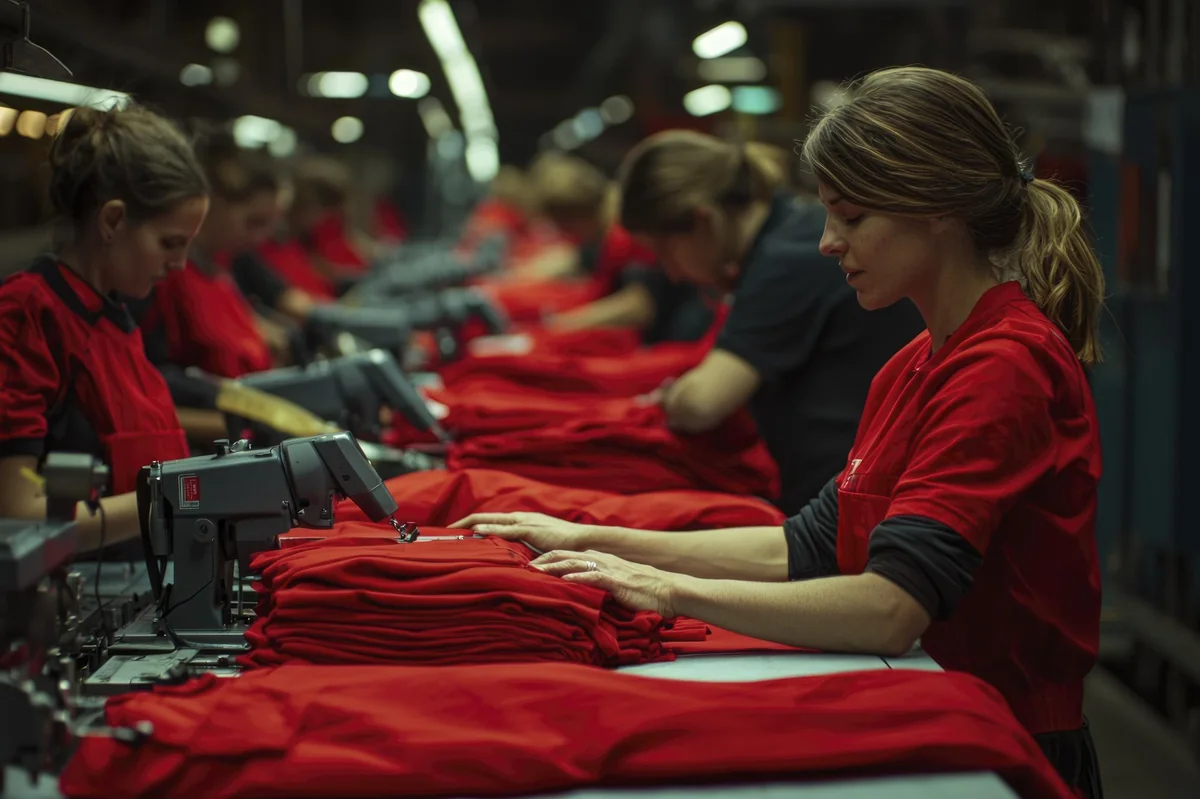
That’s the actual revolution happening with on-demand manufacturing — and it’s solving the dirtiest secret in fashion, which is that most “sustainable” brands still overproduce like crazy because their factories require minimum runs of 500 or 1,000 units per style. You can use organic cotton all day long, but if you’re making 800 shirts and only selling 340 of them, you’re still contributing to the 92 million tons of textile waste generated every year.
On-demand flips that entire model. Here’s how it works in practice:
- Customer places an order through the brand’s site
- Order data routes to a networked production facility (usually within 200 miles of the customer)
- Garment gets cut, printed, or assembled using digital processes — DTG printing, laser cutting, automated stitching
- Item ships direct, often within 48-72 hours
Zero overstock. Zero deadstock markdowns. The waste reduction isn’t theoretical — it’s baked into the economics.
But here’s what nobody talks about: on-demand only works for environmentally friendly clothes if the production tech itself is clean. And that’s where things get interesting. The new generation of digital textile printers uses 95% less water than traditional screen printing (I’ve seen the side-by-side comparisons at a facility in LA, and it’s honestly shocking). Laser cutting eliminates chemical solvents. Automated cutting systems optimize fabric usage down to the millimeter, reducing offcuts by 12-18% compared to manual cutting.
The margin math changed too. Brands used to need huge production runs to hit acceptable per-unit costs. Now? A single made-to-order piece can carry comparable margins because you’re not eating holding costs, markdowns, or liquidation losses. One founder told me her effective margin improved 22% after switching to on-demand, even though her per-unit production cost went up slightly.
So yeah — this isn’t about speed or convenience. It’s about making sustainability profitable by eliminating the waste that happens before a customer ever sees the product.
Why Regenerative Fiber Tech Is Disrupting Traditional B2B Apparel Sourcing
I spent 40 minutes on a call last month with a sourcing director at a mid-size activewear brand, and she said something that stuck with me: “We used to think recycled polyester was the finish line. Now it’s the bare minimum — and honestly, it might not even be that anymore.” She was talking about regenerative fibers, and the shift happening in B2B sourcing is way bigger than most people realize.

Here’s the thing. Traditional sustainable sourcing was always a trade-off. You’d get organic cotton or recycled materials, sure, but you’d pay 18-30% more per yard, deal with inconsistent dye uptake, and cross your fingers that lead times didn’t blow out. Regenerative fiber tech — stuff like Circulose (made from textile waste), Refibra (wood pulp blended with cotton scraps), and even algae-based cellulose — is flipping that equation. Not because it’s cheaper. It’s not, yet. But because it solves problems buyers actually care about.
Supply chain transparency, for one. A buyer I know at a DTC brand showed me her vendor scorecard last year, and traceability was weighted higher than price for the first time ever. Regenerative fibers come with built-in provenance — you can track feedstock origin, processing inputs, even water usage per kilogram. Try getting that level of documentation from a conventional cotton mill in Bangladesh.
And the performance gap is closing fast. I handled samples of a lyocell-hemp blend a few weeks ago that had better pilling resistance than the poly-cotton standard it was designed to replace. The hand feel was softer, too (I’m not imagining this — the Martindale test results were right there). Brands are realizing they don’t have to choose between environmentally friendly clothes and fabrics that actually hold up to consumer expectations.
But here’s where it gets interesting for procurement teams: minimum order quantities are dropping. Because regenerative fiber producers tend to be smaller, more agile operations, they’re not locked into the 10,000-yard minimums that legacy mills demand. One brand told me they placed a 600-yard trial order for a Tencel-linen knit — something that would’ve been laughed out of the room five years ago. They tested it in a capsule collection, it sold through in nine days, and now it’s a core fabric.
So yeah. The disruption isn’t just environmental theater. It’s about giving buyers better tools, better data, and fabrics that don’t force them to compromise.
Digital Product Passports and Supply Chain Transparency: What Changed in the Last 18 Months
I got an email last week from a sourcing manager who’d been chasing down certification docs for six months. She finally gave up and just scanned a QR code on a garment sample. Two seconds later, she had the full fiber origin, dye chemistry, water usage per meter, and carbon footprint. That’s the shift.
Digital Product Passports — DPPs, if you’re tired of typing it out — went from “nice idea for sustainability reports” to “legally mandated in the EU” faster than anyone expected. The regulation kicked in for textiles in mid-2025, and honestly? It’s been chaos and relief in equal measure. Brands selling into Europe now have to provide scannable access to supply chain data. Not vague claims. Actual traceability.
And the wild part is how much this changed procurement conversations around environmentally friendly clothes. Because now you can’t just say your cotton is organic — you have to prove where it was grown, which gin processed it, what transport route it took, even the energy mix at the spinning mill. Some suppliers freaked out (understandably). Others had been prepping for this since 2026 and basically shrugged.
Here’s what’s actually working on the ground:
- Blockchain integration for fiber tracking — sounds buzzwordy, but it’s the only way to get immutable records across 8+ supply chain handoffs
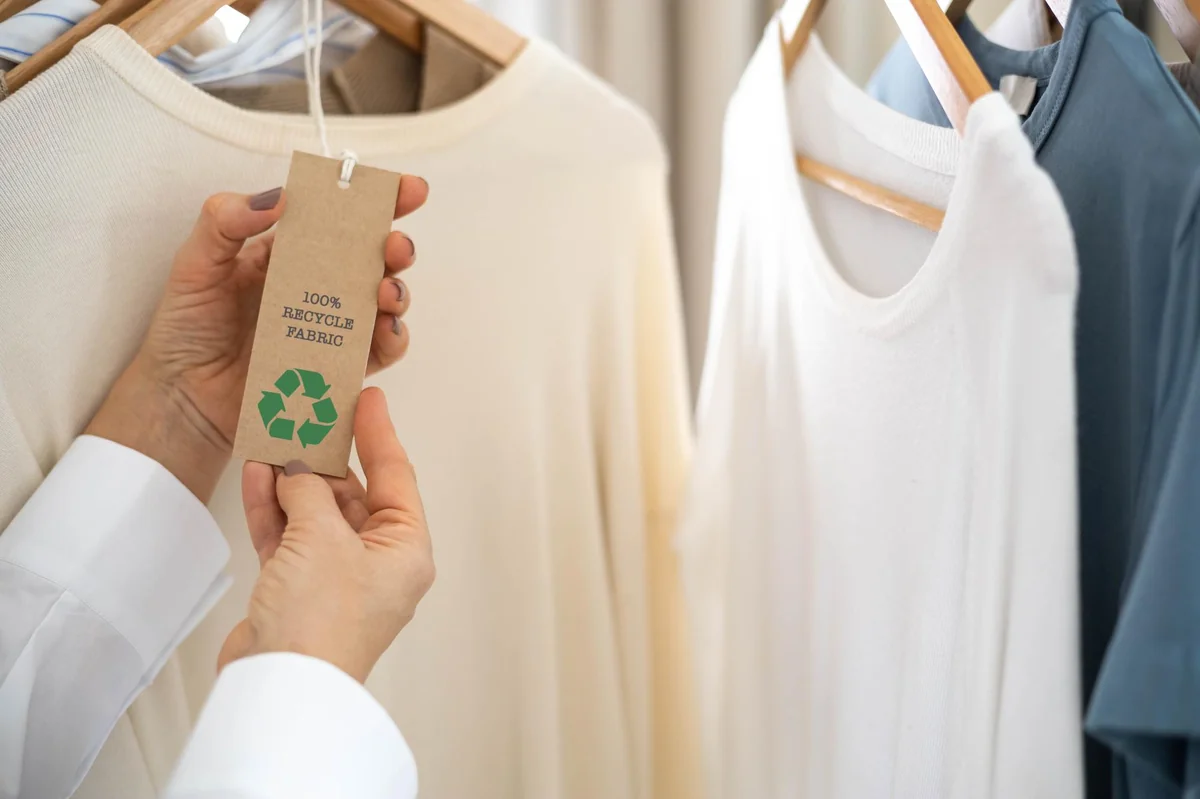
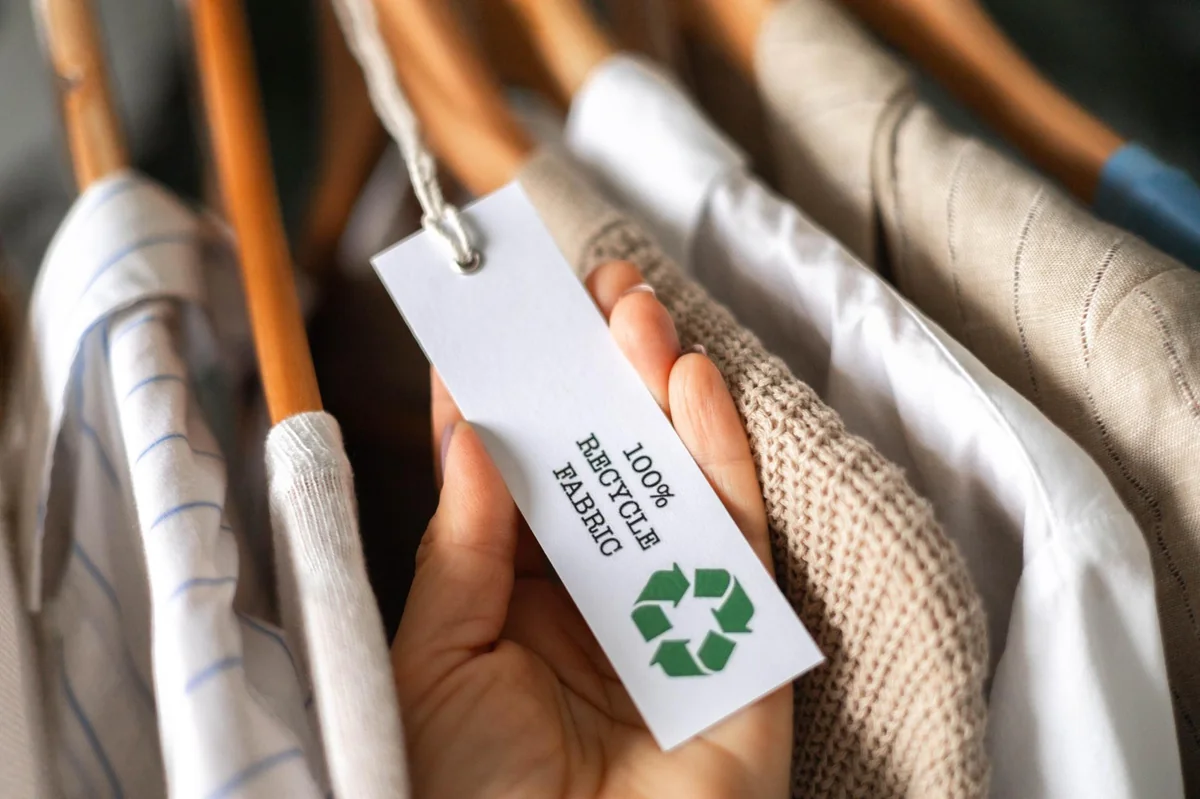
- NFC tags embedded in hangtags or care labels, so customers (and auditors) can verify claims post-purchase
- Centralized data platforms like TrusTrace and Retraced that aggregate supplier info without forcing every mill to build custom tech
But the transparency mandate also exposed some uncomfortable truths. A “sustainable” brand I won’t name got flagged because their “recycled polyester” turned out to be 60% virgin fiber with recycled content only in the dye lot documentation. Oops. The passport system caught it because the chemical signatures didn’t match. That brand pulled the entire spring line.
So yeah — if you’re sourcing environmentally friendly clothes now, the DPP isn’t optional paperwork. It’s the thing that either proves your supply chain or torpedoes your credibility. And procurement teams are finally getting the transparency they’ve been asking for since… I don’t know, 2014?
Conclusion
Look — environmentally friendly clothes aren’t a nice-to-have anymore. Between regulatory pressure, customer skepticism, and the fact that greenwashing now has actual legal consequences, brands either get serious about traceability or they get torched in the press. The Digital Product Passport made that shift real.
If you’re sourcing or buying in this space, ask for the DPP data upfront. Not the marketing deck. The actual passport with supplier IDs, material breakdowns, and third-party verification. If a brand can’t produce it? Walk away.
The wild part is we’re only at the beginning. By next year, this level of transparency will be table stakes — not a differentiator.
Frequently Asked Questions
Q: What counts as environmentally friendly clothes in 2026?
A: Anything with a Digital Product Passport that shows third-party verified supply chain data — material sourcing, carbon footprint, water use, the whole deal. It’s not about vague “eco-friendly” labels anymore. If a brand can’t show you traceable organic cotton or recycled polyester with actual supplier IDs, it doesn’t count.
Q: How much more do environmentally friendly clothes actually cost?
A: Honestly? About 20-40% more than fast fashion, but the gap’s shrinking fast. A basic organic cotton tee that was $45 two years ago is closer to $35 now because production scaled up. The real cost difference shows up in durability — you’re replacing stuff way less often.
Q: Can I trust “sustainable” labels without a Digital Product Passport?
A: Not really. Pre-DPP era, brands could slap “sustainable” on anything with zero accountability. Now that the EU mandates Digital Product Passports for textiles, any brand selling there has to back up claims with verifiable data. If they’re dodging the passport question, they’re probably greenwashing.
Q: Why are some environmentally friendly clothes made from plastic bottles?
A: Because recycled polyester (rPET) diverts waste from landfills and uses 59% less energy than virgin polyester. Yeah, it’s still plastic — but it’s already-existing plastic getting a second life instead of sitting in the ocean. The downside? It sheds microplastics when you wash it, so… trade-offs.
Q: How do I know if environmentally friendly clothes are actually better or just marketing?
A: Ask for the DPP QR code or web link before you buy. Scan it. If you see third-party certifications (GOTS, Fair Trade, Bluesign), supplier factory names, and carbon data — it’s legit. If you get a 404 error or a landing page with stock photos and no data? Marketing.
Q: Is buying secondhand better than buying new environmentally friendly clothes?
A: Almost always, yeah. Secondhand has near-zero production footprint — you’re just extending something’s lifespan. But if you need something specific (work gear, activewear that actually fits), buying new with a verified low-impact supply chain beats buying conventional new by a mile.
Q: What’s the biggest scam in eco-friendly fashion right now?
A: Brands claiming “recycled materials” but only using 5-10% recycled content mixed with virgin synthetics. They’ll plaster “sustainable collection” everywhere while the actual garment is 90% regular polyester. Check the material breakdown in the Digital Product Passport — the percentage matters way more than the buzzword.
Q: How long do environmentally friendly clothes actually last compared to regular stuff?
A: Depends on the fiber, but organic cotton and linen typically outlast conventional versions by 30-50% because they’re not weakened by chemical processing. I’ve got a hemp-blend jacket from 2026 that still looks new — my old H&M stuff from the same year is threadbare. You pay more upfront, but the cost per wear ends up lower.